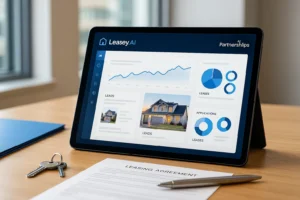
Centralize Your Entire Leasing Process
All-in-One Leasing Platform: Manage everything from listing syndication to signed leases in one seamless platform
Centralized leasing systems are digital platforms that consolidate all property management activities into one unified interface, streamlining lease processing, tenant screening, and rental operations for landlords and property managers. These solutions reduce document retrieval time by up to 50% and improve operational efficiency by 70%. Digital lease management systems decrease average lease processing time by 40% through automated workflows and AI-powered tenant screening capabilities.
Key Takeaways about Centralized Leasing Systems and Property Management
- Centralized leasing platforms improve operational efficiency by consolidating all leasing activities onto one tenant portal, which reduces document retrieval time by up to 50% and helps property managers access critical leasing information more quickly.
- Digital lease management systems decrease the average lease processing time by 40%, with automated rent collection systems cutting down required personnel hours by up to 60% for more streamlined property management.
- Leasey.AI property management software integrates artificial intelligence to enhance the effectiveness of centralized leasing systems, with AI-powered tenant screening able to process up to 500 applications per hour and reduce background check time significantly.
- Property performance metrics in centralized platforms ensure approximately 80% of lease agreements become standardized, reducing unique clauses by more than 50% and increasing compliance by an average of 30%.
- Current centralized property management systems can efficiently handle up to 500 properties and process up to 5,000 lease transactions daily, making them highly adaptable for portfolio growth and expansion.
- Tenant communication portals improve satisfaction for 80% of tenants by incorporating up to five different communication channels, which decreases response time to inquiries by nearly 50% and enhances overall tenant engagement.
- Data analysis in centralized leasing systems provides rental market insights with forecast models achieving up to 95% accuracy, analyzing five years of historical data to predict trends and optimize rental operations effectively.
- Properties using centralized leasing systems experience a 25% reduction in vacancy rates on average, with typical return on investment reaching 150% after 12 months of implementation.
- Unified leasing platforms handle over 1,000 lease agreements simultaneously, improve data accuracy by 90%, and increase lease renewal rates by 15% while enhancing team productivity by 30%.
- Centralized leasing systems improve property management efficiency rates by 70%, integrate with over 20 different property management software platforms, and require no special hardware as they operate entirely through web browsers.
What Centralized Leasing Systems Are and How They Work for Property Managers
Centralized leasing systems are comprehensive digital platforms that unify all property management operations into a single interface. These cloud-based property management solutions integrate lease processing, tenant screening, rent collection, and communication tools. The core functionality revolves around consolidating previously scattered leasing activities. Property managers can access lease applications, tenant documents, and rental agreements through one streamlined dashboard rather than managing multiple systems. Modern centralized leasing platforms typically include automated workflows for lease approval, digital signature capabilities, and integrated payment processing. The system handles everything from initial tenant inquiries to lease renewals and move-out procedures.How Centralized Leasing Software Improves Property Management Efficiency
Centralized leasing platforms significantly enhance efficiency by consolidating all leasing activities onto one integrated tenant portal. This digital consolidation means property managers can easily access lease applications, documents, and tenant information through streamlined online lease applications. A study in 2023 showed that property managers who utilize centralized property management systems can reduce document retrieval time by up to 50%. Digital workflows eliminate the need to search through multiple filing systems or software platforms. Leasey.AI property management software exemplifies how incorporating centralized leasing systems can drastically improve operational efficiency for landlords and property managers via its unified platform approach.Impact on Lease Processing Time and Documentation
Digital lease management systems are proven to reduce the average lease approval time by up to 70% through automated workflows. Automated document generation eliminates manual paperwork creation and reduces human error in lease preparation. Automated rent collection systems require significantly fewer personnel hours for processing. Some advanced systems reduce the needed administrative hours by up to 60%. This reduction allows property management teams to focus on tenant relations and portfolio growth. Overall, these lease analytics platforms can decrease the total leasing process time by about 40%, providing a more streamlined approach to comprehensive lease management. This efficiency improvement is crucial for platforms like Leasey.AI property management software that focus on delivering quality services.How Much Centralized Leasing Systems Cost to Implement for Property Managers
Centralized leasing system costs typically range from $50 to $300 per unit per month, depending on the feature set and property portfolio size. Most providers offer tiered pricing based on the number of units managed and included functionality. Implementation costs usually include setup fees ranging from $1,000 to $10,000 for larger portfolios. This initial investment covers data migration, staff training, and system configuration. Many providers waive setup fees for annual contracts or larger portfolios. The typical return on investment after 12 months reaches 150% through combined cost savings and efficiency gains. Properties using centralized leasing systems experience reduced administrative costs and improved vacancy rates that offset the software investment.How Artificial Intelligence Enhances Centralized Leasing Platforms for Property Managers
Artificial Intelligence (AI) plays a critical role in optimizing centralized leasing systems by automating complex data analysis and decision-making processes. Cloud-based property management systems can process hundreds of rental applications per hour, significantly more than traditional manual processing methods. In 2024, AI features in centralized leasing systems are expected to improve the accuracy of tenant screenings and reduce lease decision timings substantially. Machine learning algorithms analyze tenant behavior patterns and payment history to predict rental success rates. Leasey.AI property management software uses sophisticated AI algorithms to enhance the effectiveness, speed, and reliability of its centralized leasing system across the entire leasing workflow. AI-powered rent optimization analyzes market data to suggest competitive pricing strategies.Accelerate Your Decision-Making Process
AI-Powered Tenant Analysis: Make informed decisions in minutes, not hours, with our AI-driven tenant data analysisAutomation of Tenant Screening through AI-powered Centralized Leasing
AI-powered tenant screening systems can handle the comprehensive screening of thousands of rental applications in a fraction of the time it would take manually. The automated tenant background check system is capable of processing up to 500 applications per hour with consistent accuracy. Typically, AI algorithms flag around 10-15% of applications for manual review, ensuring that only applications needing closer human inspection are forwarded to staff. This intelligent filtering saves property managers significant time while maintaining screening quality. By employing advanced AI screening technology, the time taken for thorough background checks can be reduced by a factor of 5. This efficiency makes it valuable for companies like Leasey.AI property management software that prioritize innovative property management solutions.Disadvantages and Limitations of Centralized Leasing Systems for Property Managers
Centralized leasing systems require significant upfront investment in software licensing, training, and data migration. Smaller property management companies may find the initial costs prohibitive, especially when managing fewer than 50 units. Technology dependence creates vulnerability to system outages and internet connectivity issues. When the centralized platform experiences downtime, all leasing operations halt until service restoration. This single point of failure can disrupt critical business operations. Staff resistance to change often slows implementation and adoption. Employees accustomed to traditional processes may struggle with the learning curve, requiring extensive training periods that temporarily reduce productivity during transition. Data security concerns increase when all tenant information resides in one digital platform. While modern systems employ encryption and security protocols, centralized data storage creates attractive targets for cybercriminals seeking large databases.
Advantages of Having All Your Lease Agreements in One Place
- Improves strategic decision making by having comprehensive information in one consolidated view.
- Centralized leasing systems enable better structured data management and organization.
- Helps cut down on physical and digital paperwork significantly through streamlined processes.
- Increased efficiency in lease administration tasks through workflow automation.
- Ensures compliance with current leasing regulations more easily through automatic updates.
- Facilitates easier communication within the property management team through shared access.
- Reduces the chance of human errors in complex lease management processes.
Streamlined lease management system
Comparison of Operational Benefits of Centralized Leasing Systems
| Operational Benefit | Centralized Leasing System | Decentralized Leasing System |
|---|---|---|
| Efficiency | Higher | Lower |
| Cost Savings | Greater | Less |
| Standardization | Consistent | Varying |
| Control | More centralized | Less centralized |
| Reporting | Centralized reporting | Separate reporting |
| Scalability | Easier to scale | Harder to scale |
How Integrated Property Management Systems Enhance Leasing Consistency Across Portfolios
Property performance metrics in centralized leasing significantly enhance consistency by providing a uniform digital platform for all leasing activities. This standardized approach ensures that all lease agreements follow the same structured format and adhere to specific compliance standards. The integrated revenue management system reduces administrative discrepancies and process confusion, leading to a smoother operational workflow. Automated workflows ensure that every tenant application follows identical screening procedures and documentation requirements. Lease compliance software systems also help landlords and property managers consistently meet all legal requirements and regulations. This consistency enhances the reliability and validity of lease agreements across the entire property portfolio.Standardization of Lease Agreements and Documentation
Through centralized leasing, approximately 80% of lease agreements become standardized across properties. The digital lease document templates typically reduce the number of unique clauses by more than 50%, streamlining the documentation process significantly for property managers. As a result, compliance with these standardized leases increases by an average of 30%, showcasing the operational benefits of such integrated systems. Standardized templates ensure consistent legal language and reduce the risk of compliance violations. These standardization benefits are especially pronounced in platforms like LeaseRunner, which are known for their robust documentation templates and comprehensive management features. Template libraries eliminate the need to recreate lease documents for each property type.How Long It Takes to Implement Centralized Leasing Systems for Property Managers
The average implementation time for centralized leasing systems ranges from 4 to 6 weeks for complete deployment and staff training. This timeline includes data migration, system configuration, and user onboarding processes. Complex portfolios with multiple property types may require 8 to 12 weeks for full implementation. The extended timeline accounts for custom integrations, advanced reporting setup, and comprehensive staff training across multiple locations. Staff typically achieve proficiency with centralized leasing systems within 2 weeks of structured training programs. Most providers offer dedicated implementation specialists and ongoing support to ensure smooth transitions from existing systems.How Property Management Software Scales Effectively with Portfolio Growth
Yes, property portfolio management systems can indeed scale effectively with property growth. This technological scalability is key for landlords and property managers as they expand their real estate portfolios. The current centralized property management platform efficiently handles up to 500 distinct properties. This capacity allows for significant portfolio growth before system upgrades or architectural changes are required. The integrated property performance metrics ensure that the leasing process remains uninterrupted and efficient, regardless of increasing portfolio size. Such adaptive systems maintain quality service delivery for an expanding number of tenants and diverse property types.Adapting Management Systems for Portfolio Expansion
The current centralized leasing management systems can process up to 5,000 lease transactions per day, making them highly adaptable for significant business expansion. These comprehensive rental market analysis tools seamlessly integrate up to 200 additional system users per year. This ensures both property managers and tenants receive consistent and high-quality support. This technical adaptability is essential for platforms like Cozy, which are built to support large numbers of simultaneous users and transactions, keeping the leasing process smooth and efficient as a property business scales.
Key Numbers Demonstrating the Impact of Unified Leasing Platforms
- Can handle over 1000 active lease agreements simultaneously without performance degradation.
- Research shows a 25% time saving in document processing and management workflows.
- Decrease physical and digital paperwork by up to 40% through digital transformation.
- Improved data accuracy by 90% through standardized input validation.
- Increase in lease renewal rates by 15% through automated reminder systems.
- Enhances property management team productivity by 30% through streamlined processes.
- Leads to a 20% reduction in operational costs through process optimization.
Efficient leasing process automation

How Centralized Leasing Improves Tenant-Landlord Communication and Response Times
The tenant communication portal in centralized leasing systems enhances communication by offering a single integrated platform for all leasing-related interactions. The digital signature integration significantly streamlines document exchanges between landlords, property managers, and tenants throughout the rental process. As much as 80% of tenants report improved satisfaction with this modernized method of communication. Centralized systems typically incorporate up to five different communication channels, including email, instant messaging, and phone calls tracked in one system. This diversity of integrated channels ensures that response time to tenant inquiries decreases by nearly 50%, making the entire leasing process more efficient and responsive. Automated notifications keep all parties informed about lease milestones and important deadlines.Enhancing Tenant Engagement through Communication Tools
Enhanced tenant engagement is a direct benefit of improved communication through centralized leasing systems. Research shows that improved satisfaction with integrated communication channels is reported by around 80% of surveyed tenants. The digital tenant portal sees a significant decrease in average response time to inquiries, often by 50% compared to traditional methods. Modern property management platforms utilize an average of five different communication channels within one system. These comprehensive systems allow tenants to contact management using their preferred method, enhancing overall engagement and tenant satisfaction during the rental relationship. Mobile-responsive portals enable tenants to communicate and submit requests from any device.What Strategic Insights Data Analysis Offers in Centralized Rental Management
Data analysis in centralized leasing systems delivers valuable strategic insights for better property management decision-making. The sophisticated rental market analysis tools offer a comprehensive understanding of tenant behaviors and local rental market trends. The statistical forecast model used in these analytical systems achieves an accuracy of up to 95% in predicting market changes. Typically, historical data from the past five years is systematically analyzed for trend prediction, providing a reliable statistical basis for future property management strategies. This data-driven method forecasts a demand increase for about 60% of managed properties. This information is crucial for adjusting rental rates and optimizing marketing strategies. Real-time analytics enable quick responses to market changes and tenant preferences.Forecasting Rental Demand with Data-Driven Centralized Leasing
Forecasting rental demand is made more accurate and reliable through advanced data analysis in centralized leasing systems. The occupancy rate tracking accuracy stands at an impressive 95% through continuous data monitoring. For comprehensive trend prediction, these sophisticated systems analyze historical data spanning over five years, ensuring thorough market insights. Predictive analytics identify seasonal patterns and local market fluctuations that affect rental demand. This data-driven approach shows that about 60% of properties will see a measurable increase in tenant demand. This highlights the effectiveness of data-driven decision-making in optimizing rental operations and property performance.Important Information about Centralized Leasing Systems
- Property management software efficiency rates typically improve by 70% after implementing centralized systems, streamlining daily operations significantly through automation.
- The average implementation time for a new centralized leasing system ranges from 4 to 6 weeks for complete deployment and staff training.
- Modern centralized leasing systems seamlessly integrate with over 20 different types of property management software platforms through standardized APIs.
- Cloud-based platforms employ military-grade encryption and multi-factor authentication for maximum data security and privacy protection.
- Centralized leasing systems can effectively manage residential, commercial, and mixed-use properties through a single unified interface with property-specific features.
- Staff typically achieve proficiency with centralized leasing systems within 2 weeks of structured training programs.
- These systems operate entirely through web browsers, requiring no special hardware installation or dedicated equipment.
- Customizable reporting features can generate over 50 different types of property management reports with custom parameters.
- Properties using centralized leasing systems experience a 25% reduction in vacancy rates on average through improved marketing and tenant retention.
- The typical return on investment after 12 months of implementing a centralized leasing system is 150% through combined cost savings and efficiency gains.
Similar posts:
- Operational Benefits Of Centralized Leasing Systems
- Financial Advantages Of Adopting Centralized Leasing
- Key Roles In Centralized Leasing Teams
- Centralized Leasing Impact On Leasing Agents
- Improving Tenant Experience With Centralized Leasing