Maximize Rent Collection Efficiency
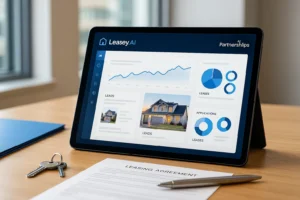
Automated Rent Collection and Reminders: Simplify your rent collection process with automated invoicing, payment processing, and tenant reminders
Centralized leasing transforms leasing agent responsibilities by consolidating administrative functions into specialized teams and automated systems. Agents shift their focus from paperwork to tenant relationships, property tours, and lease negotiations. This operational model redistributes tasks across dedicated departments – marketing handles lead generation, customer service manages inquiries, and administrative specialists process documentation.
Property management platforms automate routine tasks like application processing, document generation, and compliance tracking. Agents spend less time on data entry and more time on activities that directly impact occupancy and retention. Leasey.AI integrates these capabilities to support this workflow transition.
Key Takeaways About Centralized Leasing Impact on Agents
- Agents redirect time from administrative tasks to tenant-facing activities.
- Centralized systems create specialized roles for marketing, support, and compliance.
- Agents need proficiency in CRM platforms, analytics dashboards, and digital lease tools.
- Automation enables flexible work arrangements including remote options.
- Performance tracking shifts to conversion rates, response times, and retention metrics.
- Training focuses on software competency and data interpretation skills.
- Teams coordinate through shared platforms rather than siloed processes.
How Centralized Leasing Transforms Property Leasing Agent Roles and Responsibilities
Centralized systems separate administrative functions from client-facing responsibilities. Specialized teams handle documentation, compliance, and data entry, while on-site agents conduct property tours, negotiate lease terms, and build tenant relationships. Marketing coordinators generate and qualify leads in this division. Customer service representatives handle initial inquiries. Leasing agents close deals and manage renewals.From Administrative Tasks to Client-Facing Activities
Agents spend more time with prospects and tenants when administrative burden moves to centralized teams. Agents analyze market data to price units competitively. They also develop retention strategies for expiring leases and resolve tenant concerns requiring on-site attention. Automation tools handle routine processes while agents apply judgment to complex situations.Table of Contents
- How Centralized Property Management Transforms Agent Roles
- Organizational Structure Changes from Centralized Systems
- Essential Skills for Modern Centralized Leasing Operations
- Digital Platform Mastery Requirements for Leasing Agents
- Staff Workload Changes in Centralized Leasing Environments
- Daily Operations Workflow Optimization Strategies
- Work-Life Balance Improvements Through Centralized Systems
- Remote Work and Flexibility Benefits for Leasing Teams
- Performance Tracking Methods in Modern Property Management
- Measuring ROI and Efficiency Gains from Centralization
- Professional Development Programs for Centralized Leasing
- Career Growth Opportunities in Modern Property Management
Organizational Structure Changes from Centralized Systems
Centralized operations organize around functional specialization rather than property-level generalists. Marketing teams focus on lead generation across all properties. Customer service teams respond to inquiries through unified communication channels. Administrative teams process applications, verify information, and prepare lease documents. Compliance specialists ensure regulatory adherence across the portfolio. This structure allows staff to develop deep expertise in specific functions rather than splitting attention across multiple responsibilities.Specialized Position Creation and Role Definitions
Data analysts track occupancy trends, pricing performance, and lead conversion patterns. Customer experience coordinators monitor satisfaction metrics and identify improvement opportunities. Technology specialists maintain platform integrations and train staff on system updates. Compliance officers stay current on regulatory changes and update processes accordingly. Each role contributes to the leasing operation without requiring comprehensive property management knowledge.Essential Skills Leasing Agents Need for Modern Centralized Leasing Operations
Agents require three core competencies in centralized environments: software proficiency for platform navigation, data literacy for interpreting performance metrics, and communication skills for coordinating distributed teams. Technical ability matters more than it did in traditional on-site models where personal relationships and local market knowledge dominated.Property Management Analytics and Data Interpretation
Agents review occupancy reports, pricing recommendations, and lead quality scores daily. They compare property performance against market benchmarks and identify units that need pricing adjustments or marketing emphasis. Successful agents recognize patterns in prospect behavior, such as which amenities attract applications, which price points generate interest, and which marketing channels yield qualified leads. This analysis informs tactical decisions about tours, negotiations, and follow-up priorities.Ensure Compliance with Ease
Automated Compliance Checks: Reduce the risk of non-compliance and associated penalties with our automated processesDigital Platform Mastery Requirements for Leasing Agents
Leasing agents use CRM platforms to track prospect interactions. They also use lease processing software to generate and execute documents. Communication tools help coordinate with prospects and team members. Finally, analytics dashboards monitor performance. Competency requires understanding how these systems connect. This includes how lead data flows from marketing campaigns into the CRM, how application information transfers to lease documents, and how completed leases update occupancy reports.Multi-Platform Software Integration Skills
Agents navigate between lead management systems, application processing platforms, background screening tools, lease generation software, and communication channels throughout their workday. Training covers system-specific functions and workflow coordination. It also details when to escalate issues, how to resolve data conflicts, and where to find information when systems do not sync properly. Proficiency develops through repeated practice rather than one-time instruction.
Operational Benefits of Centralized Leasing Systems
- Automation reduces manual data entry for routine processes.
- Standardized workflows ensure consistent application handling.
- Digital signatures eliminate printing and scanning delays.
- Centralized communication channels prevent missed inquiries.
- Shared calendars coordinate tours across multiple properties.
- Automated reminders reduce follow-up lapses.
- Integrated reporting provides visibility into team performance.
Centralized leasing process workflow

Centralized vs Traditional Leasing Agent Responsibilities
| Aspect | Centralized Leasing | Traditional Leasing |
|---|---|---|
| Primary Focus | Tours and negotiations | Full application process |
| Administrative Work | Handled by specialists | Agent responsibility |
| Communication | Through platform channels | Direct with all parties |
| Training Emphasis | Software and data skills | Property-specific knowledge |
| Performance Metrics | Conversion and retention rates | Lease volume |
| Work Location | Remote options available | Primarily on-site |
How Staff Workloads Change for Leasing Agents in Centralized Leasing Environments
Automation handles repetitive tasks like scheduling tours, sending follow-up emails, and generating standard lease documents. Agents allocate the recovered time to activities that require personal attention: answering specific property questions, addressing tenant concerns, and negotiating custom lease terms. Workload shifts rather than simply decreases – fewer administrative tasks but more emphasis on relationship management and problem-solving.Administrative Task Reduction Through Process Automation
Application screening verifies income, employment, and rental history automatically. Document generation populates lease templates with property and tenant information. Compliance checks flag missing requirements before submission. Payment processing integrates with banking systems. These automations eliminate manual steps that previously consumed hours of agent time while reducing errors from data entry mistakes or overlooked requirements.Daily Operations Workflow Optimization Strategies
Agents begin each day reviewing dashboard priorities: new leads requiring contact, scheduled tours, pending applications needing follow-up, and expiring leases approaching renewal. Automated workflows route tasks to appropriate team members and escalate time-sensitive items. Communication platforms centralize messages from prospects, tenants, and team members. Agents respond to inquiries, conduct tours, and coordinate with support teams through these integrated systems rather than managing separate email, phone, and documentation channels.Real-Time Performance Tracking and Optimization Tools
Dashboards display current metrics: response time to new inquiries, tour-to-application conversion rate, application-to-lease completion rate, and days-to-occupancy for vacant units. Managers identify bottlenecks when metrics decline and adjust resource allocation accordingly. Agents access the same data to prioritize their activities and focus on areas where their effort generates the most impact.How Centralized Leasing Systems Improve Work-Life Balance for Property Leasing Agents
Cloud-based platforms allow agents to work from multiple locations rather than staying on-site during business hours. Tour scheduling tools let prospects book appointments directly, reducing phone tag. Automated after-hours responses acknowledge inquiries immediately and set expectations for follow-up timing. These capabilities support flexible schedules when coordinated with team coverage requirements.Remote Work Capabilities Through Cloud-Based Platforms
Agents access all necessary systems through web browsers or mobile apps. Virtual tour capabilities let agents show properties remotely when in-person visits aren’t possible. Document signing completes electronically without requiring physical presence. Team collaboration happens through messaging platforms and video calls. These tools enable distributed work arrangements while maintaining service levels.Remote Work and Flexibility Benefits for Leasing Teams
Flexible arrangements vary by company and role. Some agents work entirely remotely, handling inquiries and processing applications without regular property visits. Others split time between on-site tours and remote administrative work. Customer service teams often work fully remote since their responsibilities don’t require property access. The feasibility of remote work depends on the specific tasks assigned to each role and the property’s operational needs.Flexible Scheduling Options and Work-Life Integration
Teams coordinate coverage to ensure prospects can reach someone during extended hours without requiring all agents to work the same schedule. Staggered shifts, compressed workweeks, and split schedules accommodate personal preferences while meeting business requirements. Automated systems handle routine tasks during off-hours, and escalation protocols route urgent issues to on-call staff. Schedule flexibility increases when systems reduce the need for constant manual intervention.Leasing agent efficiency metrics

Key Performance Indicators for Leasing Agents
- Response time from initial inquiry to first contact.
- Tour-to-application conversion percentage.
- Application-to-lease completion rate.
- Average days to fill vacant units.
- Lease renewal rate for expiring contracts.
- Tenant satisfaction scores from surveys.
- Revenue per unit compared to market rates.
Similar posts:
- Understanding the Impact of Centralized Leasing on Agents
- Improving Tenant Experience With Centralized Leasing
- Technology Integration In Centralized Leasing Operations
- Training And Support In Centralized Leasing Systems
- Strategies for effective centralized leasing management
Performance Tracking Methods for Leasing Agents in Modern Centralized Property Management
Centralized systems track agent activity through objective metrics rather than subjective evaluation. Response times measure how quickly agents contact new leads. Conversion rates show effectiveness at moving prospects through the leasing funnel. Occupancy velocity indicates how efficiently agents fill vacancies. Retention rates demonstrate success at renewing existing tenants. These metrics provide clear feedback on individual and team performance.Comprehensive Key Performance Indicator Systems
Managers set targets for each metric based on historical performance and market conditions. Agents monitor their progress through real-time dashboards. Below-target performance triggers coaching conversations to identify obstacles and adjust approaches. Consistent high performance may lead to increased responsibilities or specialization opportunities. Transparent metrics clarify expectations and create objective basis for performance discussions.Measuring ROI and Efficiency Gains from Centralization
Companies evaluate centralized leasing effectiveness through operational and financial metrics. Cost per lease measures the expense of filling vacancies. Occupancy rates track portfolio-wide performance. Tenant acquisition cost combines marketing and personnel expenses. Revenue optimization examines whether units lease at market rates. These organizational metrics aggregate individual agent performance and guide resource allocation decisions.Continuous Performance Improvement Through Regular Assessment
Regular reviews examine trend data rather than isolated incidents. Managers identify patterns in agent performance – consistent strengths to leverage and recurring challenges requiring support. Reviews combine quantitative metrics with qualitative feedback from prospects, tenants, and team members. Development plans address specific skill gaps with targeted training or mentoring. High performers may receive opportunities to specialize, mentor newer agents, or take on expanded portfolios.Implementation Considerations for Centralized Leasing
- Centralized systems require reliable internet connectivity and functioning devices for all team members.
- Implementation timelines depend on portfolio size, existing systems, and staff readiness for change.
- Training needs vary based on agents’ current technical proficiency and familiarity with similar platforms.
- Remote work options depend on role requirements – some positions need regular property access while others don’t.
- Data security requires encryption, access controls, and compliance with privacy regulations.
- Integration with existing systems affects implementation complexity and cost.
- Change management addresses staff concerns and ensures adoption of new workflows.
- Ongoing support includes technical troubleshooting, process refinement, and continuous training.
- Performance monitoring identifies which aspects of centralization deliver expected benefits.
- Regular assessment allows companies to adjust their approach based on actual results rather than assumptions.