Leasey.AI

How Centralized Leasing Improves the Tenant Experience in Multifamily Properties

October 24, 2025

Ensure Compliance with Ease

Automated Compliance Checks: Reduce the risk of non-compliance and associated penalties with our automated processes

How Centralized Leasing Platforms Transform Tenant Communications and Response Workflows

Have you calculated how many hours your team spends routing tenant questions between systems each week? Centralized leasing platforms improve tenant experience by consolidating applications, maintenance requests, payments, and communications into unified digital systems. These platforms reduce tenant confusion through single-portal access while helping property managers respond faster to needs and deliver consistent service across portfolios. Research shows centralized systems can increase tenant satisfaction rates by 30% while reducing application processing times by 50% through automated workflows that eliminate manual coordination steps.

Assess Your Current Leasing Efficiency

Evaluate whether centralized leasing could benefit your operations by examining these indicators:

  1. ☐ Tenants contact you through three or more separate channels (phone, email, text, in-person) creating fragmented communication histories
  2. ☐ Application processing requires manual data entry across multiple systems, taking more than 48 hours from submission to decision
  3. ☐ Maintenance requests arrive through various methods without automated routing, causing delayed responses or missed requests
  4. ☐ Staff spend over 10 hours weekly manually coordinating between lease management, accounting, and maintenance systems
  5. ☐ Tenants frequently ask about request status because your current system lacks real-time tracking visibility


Three or more checked items indicate your operations would benefit significantly from platform consolidation. Properties addressing these friction points through centralized systems report faster processing, reduced errors, and measurably higher tenant satisfaction within the first quarter of implementation.

Single-Platform Access Reduces Tenant Friction

Unified tenant portals consolidate rental applications, maintenance requests, lease renewals, and payment processing into one interface. Tenants access all property management functions through a single login rather than navigating multiple systems or communication channels. This consolidation eliminates confusion about how tenants should handle maintenance issues, lease questions, or payment options.

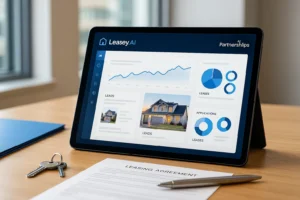
Property managers gain visibility into all tenant interactions through centralized dashboards that display communication histories, payment patterns, and service requests. This comprehensive view helps identify concerns before they escalate into lease termination decisions. Research shows management staff ratings correlate 70% with tenant satisfaction compared to just 42% for physical property attributes, demonstrating that service quality matters more than amenities.

Automated Workflows Accelerate Application Processing

Digital rental application processing eliminates manual steps that slow traditional workflows. Automated systems verify income documentation, run credit checks, and generate lease agreements simultaneously rather than sequentially. This parallel processing can reduce overall application timelines by up to 50%, allowing property managers to compete effectively for qualified tenants in competitive markets. Faster decisions mean shorter vacancy periods and reduced revenue loss between tenants.

Digital Systems Minimize Processing Errors

Automated data validation catches incomplete information immediately during form submission, preventing applications from progressing with missing details. Digital lease generation uses templates that ensure consistent terms across properties, reducing discrepancies that occur with manual document preparation. Built-in validation rules prevent common errors like missing signatures or incorrect dates. They also catch incomplete tenant information that would otherwise delay move-in schedules.

Why Faster Leasing Team Response Times Drive Tenant Retention in Centralized Operations

Automated Inquiry Routing Cuts Response Delays

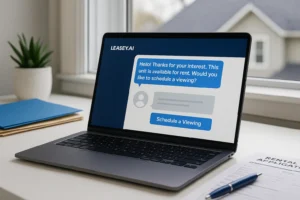
When a tenant submits a billing question at 9 PM, traditional systems require them to wait until office hours for acknowledgment. Centralized platforms immediately confirm receipt and route inquiries to appropriate team members based on category classifications. Modern lease management systems can handle over 50 inquiries per hour, processing volumes that would overwhelm manual coordination methods. Automated routing ensures urgent issues reach on-call staff while routine questions queue for next-business-day response.

Digital inquiry management creates searchable communication histories that prevent tenants from repeating information across multiple interactions. When property managers access complete context from previous exchanges, they resolve issues faster without requiring tenants to re-explain situations. This continuity builds trust and demonstrates organizational competence that influences renewal decisions.

Priority Classification Systems Handle Urgency

Intelligent classification analyzes inquiry content to determine urgency levels automatically. Emergency requests like water leaks or heating failures immediately notify on-call maintenance staff. Routine inquiries, however, receive automated acknowledgments that set response timeframes. This classification ensures urgent issues receive prompt attention while maintaining organized workflows for standard requests. Research from MIT’s Center for Real Estate shows that a one-point rise in tenant satisfaction scores increases renewal likelihood by 8.6%, directly connecting responsive service to retention economics.

Status Updates Maintain Tenant Confidence

Real-time status tracking eliminates the uncertainty tenants experience wondering whether anyone is addressing their concerns. Automated notifications inform tenants when requests are received, assigned, in progress, and completed. This transparency reduces follow-up calls and emails that consume staff time, allowing property managers to focus on resolution rather than status inquiries. Tenants who receive consistent updates report higher satisfaction even when resolution takes longer than desired, because communication prevents the frustration that comes from silence.

How Digital Workflows in Centralized Leasing Systems Accelerate Maintenance Repair Resolution

Emergency Request Protocols Prioritize Urgent Repairs

How long do tenants wait wondering if anyone received their urgent repair request? Digital maintenance systems eliminate this uncertainty through immediate automated acknowledgment and priority routing. Emergency repairs like heating failures or plumbing issues trigger instant response protocols. Electrical hazards also trigger these protocols, notifying technicians with problem details, required expertise, and tenant contact information. Centralized platforms typically address emergency maintenance requests within 2-4 hours using automated prioritization systems :antCitation[]{citations=”a4d7a943-092e-4c1e-9b8b-48d307fb8ac9″}.

Automated routing with current staff often outperforms larger manual teams. Traditional property management might suggest hiring more maintenance staff to address slow response times. The bottleneck typically isn’t staff availability but rather communication delays, unclear priority assignments, and incomplete problem information. Intelligent routing solves these coordination challenges by matching requests with qualified available technicians and providing comprehensive context before arrival.

Work Order Automation Eliminates Manual Steps

Digital workflows compress the six-step repair process: tenant submission → automated categorization → priority assignment → qualified vendor matching → real-time status tracking → completion verification. Each step executes automatically based on predefined rules, removing delays from manual coordination. Technicians arrive prepared with the right tools and knowledge. This is because automated notifications include photos, problem descriptions, and unit access details provided by tenants during submission.

Transparent Tracking Reduces Tenant Frustration

Maintenance transparency addresses what surveys identify as the primary source of tenant dissatisfaction in traditional property management. Digital repair workflows provide visibility into resolution processes through automated updates when technicians are dispatched, when they arrive, and when repairs are completed. This communication reduces tenant anxiety about whether issues will be addressed, even when resolution requires multiple visits or parts ordering. Properties implementing transparent maintenance tracking report fewer complaint calls because tenants can check progress independently rather than contacting offices for status updates.

How to Calculate Return on Investment from Centralized Leasing Platform Implementation

Administrative Cost Reductions From Automation

Document automation eliminates manual processes that consume staff hours without adding tenant value. Electronic signatures remove printing, mailing, and physical storage expenses while accelerating lease execution. Automated rent collection through ACH transfers typically costs less per transaction than processing paper checks. Property managers implementing automation report that administrative expenses typically decrease by 35-45% within the first year. Staff time shifts from data entry tasks to activities that directly improve tenant relationships and property performance.

Consider a 200-unit portfolio where administrative staff currently spend 25 hours weekly on manual application processing, lease preparation, and renewal coordination. At $25 per hour, this represents $32,500 in annual labor costs for tasks that centralized systems automate. Automation can recover $13,000 annually in staff time through a 40% reduction. This recovered time can then be redirected toward tenant communication, property showings, and proactive maintenance coordination that generate additional value.

Vacancy Period Reduction Increases Revenue

Centralized leasing systems can reduce vacancy periods by 60% through faster application processing and improved lead response times. When average vacancy duration drops from 30 days to 12 days between tenants, a property charging $1,500 monthly rent captures an additional $900 per turnover. Across 40 annual turnovers in a 200-unit portfolio with 20% yearly turnover, this acceleration generates $36,000 in additional revenue that would otherwise be lost to extended vacancies.

Tenant Retention Savings Compound Annually

Turnover costs average $4,000 per tenant when accounting for marketing expenses, vacancy losses, cleaning, repairs, and administrative processing. Properties using centralized leasing systems typically see a 25% reduction in vacancy rates. The return on investment often reaches 150% within 12 months due to combined cost savings and efficiency gains. Improving retention from 80% to 85% in a 200-unit portfolio prevents 10 turnovers annually, saving $40,000 in turnover costs. These retention savings compound because satisfied tenants who renew multiple years eliminate repeated turnover expenses.

How to Navigate Centralized Leasing Platform Selection and Deployment

Match Platform Capabilities to Portfolio Size

Portfolio size determines appropriate platform complexity and investment levels. Properties under 50 units typically benefit from lightweight tenant portals focusing on payment processing and basic maintenance requests, with monthly costs ranging from $50-$200. Mid-sized portfolios between 50-500 units require integrated systems connecting lease management, accounting, and maintenance coordination, typically costing $300-$1,000 monthly depending on feature depth. Enterprise portfolios over 500 units require platforms offering API capabilities for custom integrations. These platforms must also provide advanced analytics and multi-property management, with costs scaling based on unit count and customization needs.

Integration Requirements With Existing Systems

Evaluate how prospective platforms connect with your current accounting software, CRM systems, and marketing tools before committing to implementation. Request API documentation from vendors to verify integration capabilities match your technology stack. Modern centralized leasing systems integrate with over 20 different types of property management software platforms through standardized APIs. Poor integration creates data silos that undermine the efficiency benefits centralized platforms promise, forcing staff to manually transfer information between systems.

Staff Training and Change Management Timeline

The average implementation time for new centralized leasing systems ranges from 4 to 6 weeks for complete deployment and staff training. Successful implementations identify change champions among existing staff who facilitate peer adoption and provide ongoing support after formal training concludes. Phased deployment starting with one property or function reduces risk while allowing teams to adapt gradually. Staff resistance to change often creates more implementation challenges than technical integration issues, making change management investment essential for realizing platform benefits.

How to Track Key Performance Indicators After Centralized Leasing Platform Implementation

Monitor Tenant Satisfaction and Retention Rates

Establish baseline satisfaction scores before implementation to measure improvement accurately. Survey tenants quarterly about communication responsiveness, maintenance resolution speed, and overall experience using consistent rating scales. Track lease renewal rates monthly to identify retention trends that correlate with platform adoption. Properties should expect gradual satisfaction improvements over 6-12 months. Benefits accumulate through consistent service delivery that builds tenant trust over time.

Track Operational Efficiency Improvements

Monitor average response times by inquiry category to ensure automated routing delivers promised speed improvements. Measure application processing duration from submission to approval decision, targeting the 50% reduction that automation enables. Track maintenance request resolution times separately for emergency and routine repairs to verify priority classification functions correctly. Calculate administrative time savings by documenting hours staff previously spent on manual tasks that automation now handles. Validate whether this recovered capacity redirects toward higher-value activities.

Adjust Workflows Based on Performance Data

Successful implementations require active optimization rather than “set it and forget it” approaches. Review efficiency metrics quarterly to identify bottlenecks where automation underperforms expectations. Adjust routing rules, priority classifications, and response templates based on actual usage patterns and tenant feedback. Properties that continuously refine workflows based on performance data achieve better outcomes than those treating platforms as static solutions. The most significant benefits typically emerge between months 6-12 as teams learn to leverage platform capabilities fully and optimize configurations for their specific needs.

Centralize Your Entire Leasing Process

All-in-One Leasing Platform: Manage everything from listing syndication to signed leases in one seamless platform

Realize Value Overnight

Leasey.AI provides a seamless implementation experience — your personal Leasing Assistant will onboard your properties and get your account up and running, so you can start enjoying the benefits of automation instantly.