- 6 Benefits of Automated Property Management
- Automate Your Leasing Process Using Leasey.AI
- Property Management Automation Helps You Find Better Tenants
- Helps You Reduce Vacancy Rates
- Rental Software Helps You Reduce Your Manual Workload
- Helps You Optimize Your Workflow
- Property Management Automation Ensures Legal Compliance
- Improves Tenant Experience
Updated on
Property management software addresses the core challenges of rental operations by automating tenant screening, leasing workflows, rent collection, and compliance tracking. Whether you manage a single rental unit or a large portfolio, automated property management systems reduce time-consuming manual tasks so property managers can focus on growing their business.
This article covers six proven benefits of implementing property management software, including how automation helps you find better tenants faster, reduce vacancy rates, and improve tenant satisfaction.
Six Key Benefits of Automated Property Management
Property management software cannot fully replace property managers, but it significantly increases operational efficiency. By automating repetitive leasing and administrative tasks, property managers reclaim hours each week to focus on higher-value decisions.
Find Better Tenants Faster with Tenant Screening Automation
Tenant screening and placement is consistently cited as one of the most time-intensive tasks in property management. Reviewing applications, verifying income, checking rental history, and contacting references demands hours of manual effort per applicant. Property management software reduces the administrative workload in tenant placement by automating key steps in the qualification process.
Automation allows property managers to prequalify tenants before scheduling a showing. For example, a pet-free property can filter out applicants with pets at the inquiry stage, ensuring managers spend time only on qualified candidates. Leasey.AI’s prequalification and scheduling tools route leads through a structured question sequence and allow only qualifying applicants to book a showing — without any manual intervention from the property manager.
Reduce Vacancy Rates Through Automated Leasing Workflows
Vacant properties generate no rental income, making fast and efficient tenant placement a direct financial priority. Automated leasing workflows reduce vacancy periods by accelerating each stage of the process — from initial inquiry and application to screening and lease signing. Faster processing means fewer days between tenancies.
Automated follow-up messages keep qualified leads engaged throughout the process, reducing drop-off between application and move-in. According to Leasey.AI case study data, property managers using the platform have saved significant time per listing while attracting more qualified applicants and reducing vacancy periods.
Reduce Manual Workload with Leasing Management Software
Tenant placement involves more than just reviewing applications. Automated property management software streamlines tenant screening by retrieving data from public databases, running credit checks, verifying income, reviewing rental history, and checking references — all within a single platform.
Leasey.AI’s AI-powered screening tool gathers and centralizes applicant data, then produces a qualitative summary and a candidate score for each applicant. This allows property managers to compare applicants objectively and focus attention on the most suitable candidates without manually compiling information from multiple sources.
Automate Rent Collection and Payment Reminders
Online rent collection is one of the most impactful features of property management automation. Automated payment portals allow tenants to pay rent digitally on a recurring schedule, reducing late payments and eliminating manual deposit tracking. Automated reminders notify tenants before payment due dates, further reducing arrears.
For property managers, automated rent collection creates a consistent, auditable payment record without manual follow-up. This reduces disputes over payment timing, simplifies accounting, and gives property managers a real-time view of rent status across their entire portfolio.
Optimize Workflow Performance with Portfolio Analytics
Data analysis helps property managers identify which properties generate the most revenue, where qualified leads originate, and where the leasing process loses applicants. With a portfolio-level view of leasing performance, property managers can develop targeted optimization and growth strategies rather than relying on guesswork.
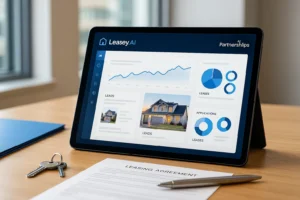
Leasey.AI designed its analytics dashboard for non-technical property managers, presenting leasing and performance data in a clear, accessible format. Property managers can track key metrics across their portfolio without requiring dedicated analytics expertise.
Stay Compliant with Rental Housing Regulations
Property managers must track lease renewal deadlines, maintenance inspection schedules, and notice period requirements — all governed by Canadian rental housing regulations that vary by province and change over time. Missing a compliance deadline can result in legal liability and financial penalties.
Automated property management platforms send reminders for lease renewals, required inspections, and regulatory deadlines. Some platforms also support digital lease management, storing signed lease documents securely and flagging upcoming renewal windows well in advance. This systematic approach reduces the risk of compliance gaps caused by manual tracking errors.
Improve Tenant Satisfaction with Automated Communication
Tenant satisfaction directly influences lease renewal rates and reduces turnover costs. Automated property management platforms improve the tenant experience by creating consistent, timely communication throughout the tenancy — from move-in instructions to maintenance request updates and lease renewal notices.
Specific features that improve tenant experience include automated maintenance status updates, 24/7 online payment portals, and standardized communication workflows that ensure every tenant receives the same quality of service. Platforms like Leasey.AI’s multifamily property management tools free up property manager time for meaningful tenant interactions, which reduces disputes and improves long-term retention.
Frequently Asked Questions About Property Management Automation
Can property management software replace a property manager?
Property management software automates repetitive administrative tasks but does not replace the judgment, relationship management, and legal knowledge that property managers provide. The software is most effective as a tool that allows property managers to handle larger portfolios with the same team size.
What tasks can property management software automate?
Property management platforms can automate tenant prequalification, application collection, credit and background screening, rent collection and payment reminders, lease renewal notifications, maintenance request tracking, and portfolio performance reporting. The specific features available depend on the platform.
Is automated tenant screening compliant with fair housing laws?
Reputable property management platforms design screening tools to apply consistent, documented criteria to all applicants, which supports compliance with anti-discrimination regulations. Property managers remain responsible for ensuring screening criteria meet applicable legal standards in their jurisdiction.
How to Get Started with Automated Property Management
Automated property management delivers the greatest impact when applied to the tasks that consume the most time: tenant screening, leasing workflows, rent collection, and compliance tracking. Addressing these four areas reduces manual workload, shortens vacancy periods, and creates a more consistent experience for tenants.
Regardless of portfolio size, property managers who adopt automation report faster tenant placement, fewer administrative errors, and more time available for strategic decisions. The latest property management software platforms offer scalable tools suited to independent landlords and large multifamily operators alike.
In the video below, see how Leasey.AI automates the leasing process from lead inquiry to tenant placement.
Other Property Management Automation resources:
Workflow automation for property managers involves using specialized software to streamline daily tasks. This technology automates repetitive processes, saving time and reducing errors. Automated property management software often includes features for organizing maintenance requests, tracking rent payments, and managing tenant communication. By automating these tasks, property managers can focus on more strategic activities.
Automating the leasing process helps landlords by making the tenant acquisition and management more efficient. Automated leasing software can handle applications, background checks, lease agreements, and renewals. This lease management automation reduces the time and effort required to manage these tasks manually. Landlords experience a smoother, faster leasing cycle and improved tenant satisfaction.
Yes, real estate lease automation significantly improves the tenant experience. Automated property management systems streamline processes like rent payment, maintenance requests, and lease renewals. This efficiency means tenants enjoy faster responses and less paperwork. How to improve tenant experience becomes more straightforward, as tenants appreciate the convenience and transparency offered by automation.
Automated rental management offers several key benefits, including increased efficiency, reduced errors, and time savings. Automated property management software can handle tasks like tracking rent payments, managing maintenance requests, and automating communication with tenants. Property management workflow automation ensures smoother operations, leading to higher tenant satisfaction and better property management.
Leasing lead automation enhances the property management process by streamlining the tenant acquisition phase. Property management leasing automation tools capture and manage potential tenant inquiries efficiently. This system ensures timely follow-ups and better organization of prospective tenants. As a result, property managers can fill vacancies faster and with more suitable tenants, improving the overall efficiency of property management.