AI Chatbot
24/7, Hands-Free Inquiry Handling
How many qualified tenants have you missed this week?
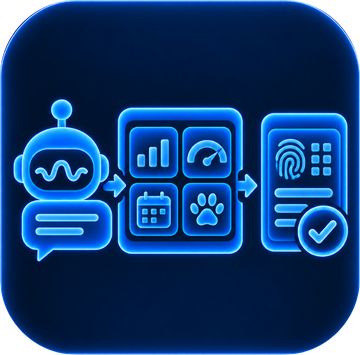
Leasey.AI's AI chatbot for property management helps leasing teams respond to rental inquiries within seconds of receiving them. The chatbot automates repetitive leasing tasks such as answering questions and scheduling showings. These AI chatbots qualify prospects, answer common questions, and schedule showings automatically, ensuring no potential tenant waits for a response — even outside business hours.
Leasey.AI provides an intelligent chatbot that captures rental leads and books them into showings around the clock, handling inquiries from multiple channels while your team focuses on closing deals and managing properties.
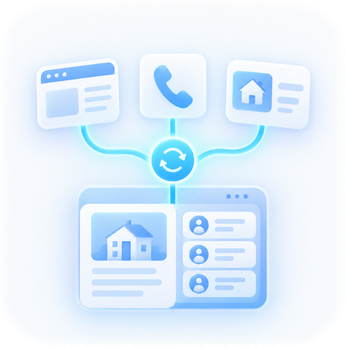
Easily embed the chatbot on any website or landing page, or connect it to Facebook Marketplace's Messenger to centralize all rental inquiries in one automated system.
What AI Chatbots Actually Do for Property Management Teams
Property management requires swift responses to rental inquiries, yet many leasing teams struggle to keep up with the volume of leads across multiple platforms. AI-powered chatbots for property management serve as virtual leasing assistants that work continuously. The specific tasks they handle include responding to initial inquiries within seconds, collecting prospect information systematically, answering frequently asked questions about properties, pre-screening tenants based on criteria such as move-in date, budget, and pet ownership, and scheduling qualified prospects for property viewings. These systems integrate with your existing property management tools to create a connected process from first inquiry through to signed lease. These integrations allow the chatbot to pull current availability, pricing, and property details directly from your management software.
Key Benefits of AI Chatbots for Rental Property Management
- AI chatbots respond instantly to rental inquiries, capturing leads before they move on to competitors
- AI chatbots qualify tenants using your custom screening criteria before you invest time in showings
- Property chatbots integrate with Facebook Marketplace and major rental websites to centralize all inquiries
- AI chatbots enable prospects to book showings based on your real-time calendar availability
- AI technology answers common rental questions when human agents are unavailable or busy
- Chatbots collect consistent data and generate insights on lead quality through detailed reporting features that track conversion rates. This data feeds into the reporting features that track lead quality and conversion rates.
- Implementing automated tenant prequalification reduces time spent on unqualified leads
How AI Chatbots Transform Property Management Response Times
Property management chatbots improve response times by providing instant answers to rental inquiries regardless of when they arrive. Most rental seekers contact multiple properties and often choose the first one that responds helpfully. The chatbot uses conversational AI to understand questions and provide relevant property information, schedule viewings, or collect contact details for follow-up. Properties using automated response systems typically see higher lead-to-showing conversion rates because prospects receive immediate attention rather than waiting hours or days for a response.
When to Implement 24/7 Communication Systems
You should implement AI chatbots when your team struggles to respond quickly to all inquiries, particularly if you receive leads outside business hours or manage multiple properties. The best time is before your busy season begins, allowing time to customize responses and train the system. Properties receiving more than 10-15 inquiries daily benefit most from automation, as do teams managing properties across different time zones. A team receiving 15 inquiries daily would spend most of their day on first responses alone. An AI chatbot handles those responses automatically, freeing the team for showings and lease signing. Even smaller operations find value when staff members juggle multiple responsibilities beyond just responding to initial inquiries.
The Mechanisms Behind 24/7 AI Response Systems
- AI chatbots use natural language processing to understand and categorize rental inquiries automatically
- The chatbot handles routine queries such as availability and pricing. It routes questions requiring judgment, such as lease exception requests, to leasing team members.
- AI chatbots access your property database to provide accurate, current information instantly
- These systems collect structured data from every conversation, including prospect name, contact details, move-in date, budget, and screening responses.
- Integration APIs (application programming interfaces) are connections that let software systems share data. APIs connect chatbots with property management software for real-time data access.
- Machine learning algorithms are software rules that improve automatically from data. These algorithms improve chatbot response accuracy based on successful conversation patterns.
- Cloud-based infrastructure ensures reliable performance during high-volume inquiry periods
How Virtual Assistants Pre-Qualify Rental Prospects
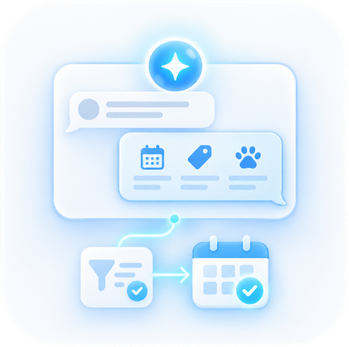
AI chatbots apply tenant prequalification criteria through conversational screening that feels natural to prospects. The process involves asking key questions about move-in dates, budget ranges, occupancy needs, pet ownership, and other requirements specific to your properties. The chatbot notifies unqualified prospects that they do not meet the criteria and does not schedule them for a showing. The chatbot schedules qualified prospects for viewings. This automated filtering saves considerable time for leasing teams who previously spent hours showing properties to prospects who could not qualify or were not serious about renting.
Common Challenges with Automated Tenant Screening
The limitations include the inability to assess subtle factors like personality fit or detect sophisticated deception in responses. Some prospects may provide inaccurate information to bypass screening, requiring human verification for final approval. Cultural or language barriers can sometimes confuse AI systems, potentially screening out qualified prospects who express themselves differently. Multi-language support in the chatbot helps reduce barriers for prospects who communicate in languages other than English. Additionally, chatbots must be carefully programmed to avoid any discriminatory screening practices. Property managers must regularly review qualification criteria and conversation logs to confirm fair housing compliance.
Automated Scheduling Systems for Property Viewings
Modern property viewing automation synchronizes with your calendar to offer available time slots without creating conflicts. Smart showing schedule management works by connecting to your existing calendar system, blocking time for confirmed appointments, and sending automatic reminders to reduce no-shows. The system sends reminders automatically before each scheduled showing. The technology accounts for buffer time between showings and can manage multiple property locations. When prospects request viewings, they see only genuinely available times, select their preference, and receive instant confirmation — all without manual intervention from your team.
Setup Requirements for AI Scheduling Integration
The typical setup process requires connecting your calendar system, such as Google Calendar or Microsoft Outlook, to the chatbot platform through secure API connections. You'll need to define showing availability rules, such as business hours, minimum notice periods, and buffer times between appointments. Initial configuration usually takes a few hours to a few days, depending on the number of properties and integrations required. Most platforms, including Leasey.AI, provide setup assistance to complete integration without requiring technical expertise.
Multi-Channel Integration for Rental Lead Management
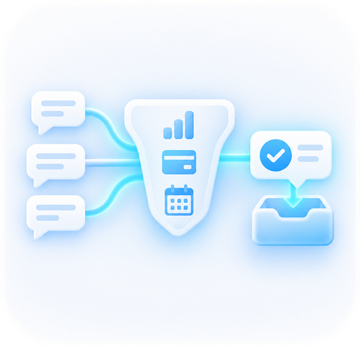
Advanced chatbot systems integrate simultaneously with websites, social platforms, and listing sites to centralize all rental inquiries. Cross-platform integration eliminates the need to monitor multiple communication channels separately. The technology works through APIs and webhooks that connect various platforms to a central chatbot system. Whether someone inquires through your website, Facebook Marketplace, or a rental listing site, the same AI system responds consistently while routing all leads to your unified dashboard for efficient team management of all leasing activity.
Which Types of Properties Benefit Most from AI Chatbots
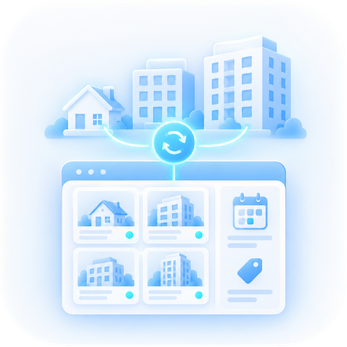
Multi-family properties and apartment complexes see the greatest efficiency gains due to high inquiry volumes and standardized showing processes. Student housing operators benefit from automation during peak leasing seasons when inquiry volumes spike dramatically. Property management companies handling diverse portfolios use chatbots to maintain consistent service standards across all properties. Single-family rental owners with multiple properties find chatbots valuable for maintaining responsiveness while managing other business activities. Even smaller landlords benefit when they have full-time jobs or manage properties remotely.
Creating Natural Conversations Through AI Technology
Natural language processing (NLP) is a technology that helps computers understand human language. Modern conversational AI creates dialogue that prospects find easy to use. The technology works by analyzing thousands of real rental conversations to understand common question patterns and appropriate responses. NLP allows chatbots to recognize intent even when prospects use different phrasing or make typos. The best systems provide detailed property information conversationally, much like a knowledgeable leasing agent would during a phone call.
Costs and Investment Considerations for AI Chatbots
AI chatbot costs typically range from basic plans starting around $50-100 monthly for small operations to enterprise solutions costing $500-2000 monthly for large portfolios. Pricing factors include the number of properties managed, inquiry volume, integration complexity, and customization level. Most providers offer tiered pricing with feature variations. The cost can be offset by reduced staffing needs and shorter vacancy periods, along with higher conversion rates. Consider both direct costs and time savings when evaluating ROI, as automation can free up significant staff hours for activities like closing deals and managing properties.
Essential Features for Property Management Chatbots
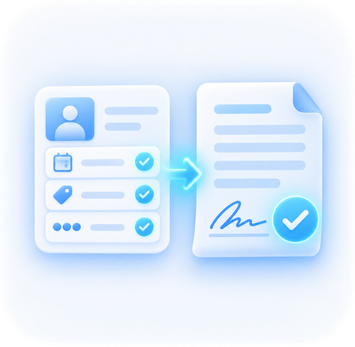
Effective property management chatbots require comprehensive knowledge bases covering property details, policies, and application processes. Document management integration allows chatbots to share lease agreements, property photos, and application forms automatically. The ability to update information instantly ensures accuracy when availability or policies change. Multi-language support becomes important in diverse markets. Analytics and reporting features help optimize performance by identifying common questions and drop-off points in conversations.
Leasey.AI's leasing automation platform offers AI chatbot technology designed specifically for residential leasing. The platform handles inquiry response, tenant qualification, appointment scheduling, and cross-platform integration, allowing property managers to focus on closing deals while AI manages routine communication. Explore how Leasey.AI's automated prequalification system reduces workload through intelligent automation, improves conversion rates, and shortens vacancy periods.
24/7, Hands-Free Inquiry Handling
How many qualified tenants have you missed this week?
Like Uber for leasing — automatic, optimized, and always on time.
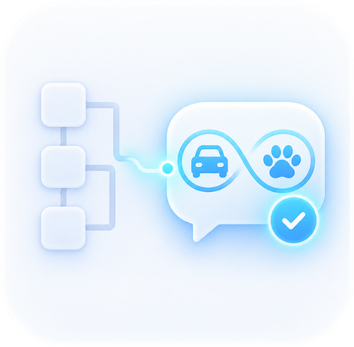
Manual route planning is slow, repetitive, and error-prone. Leasey.AI’s Smart Route Planner replaces guesswork with automation — ensuring your agents cover more ground efficiently and never miss an opportunity.
How Leasey.AI Smart Route Planning Automates Property Showing Schedules
Smart route planners use optimization algorithms to analyze property locations, appointment durations, and time windows to generate efficient showing sequences automatically. These systems eliminate manual planning guesswork by calculating optimal stop orders based on geographic proximity and traffic patterns. When qualified leads enter the system, automation triggers activate immediately, offering available time slots based on pre-calculated route logic that considers multiple properties and scheduling constraints simultaneously.
Route optimization algorithms process several variables to create efficient schedules without human intervention. Location-based scheduling enables the system to automatically group nearby properties into efficient tour sequences, while distance calculation minimizes total travel between stops. The automated route planner continuously evaluates these factors to deliver schedules that maximize agent productivity while respecting appointment constraints.
Algorithm Factors That Optimize Property Showing Routes
Route optimization algorithms analyze multiple variables simultaneously to minimize total travel distance while respecting appointment constraints:
Variables Route Optimization Algorithms Analyze
- Property locations create geographic clusters that minimize backtracking across neighborhoods and districts
- Appointment duration estimates allocate adequate time for property showings and prospect interactions
- Time window constraints ensure appointments align with property availability and prospect schedules
- Real-time traffic data adjusts route timing to account for congestion patterns and delays
- Travel distance calculations identify the shortest paths between sequential property stops
- Agent availability windows determine which time slots can accommodate additional showings
Leasey.AI Automation Triggers That Initiate Route Planning
Automated systems activate route optimization without manual planning intervention. Lead qualification systems trigger automatic route optimization when prospects request showing appointments through phone calls, web forms, or chat interactions. Calendar integration initiates route recalculation when new appointments are added to existing schedules, ensuring all showings fit efficiently into the day's itinerary. The system continuously monitors for scheduling changes and automatically adjusts routes to maintain optimal efficiency throughout the workday.
Scheduling Coordination Prevents Double-Bookings and Conflicts
Availability checking systems verify agent schedules before confirming appointments to prevent double-bookings that damage professional reputation and waste prospect time. Calendar integration synchronizes showing appointments across platforms to maintain schedule accuracy, while conflict detection mechanisms identify overlapping time slots before appointments are finalized to eliminate scheduling errors. These coordination features work together to ensure every confirmed appointment represents a genuine commitment the team can fulfill.
Automated systems maintain time buffers between appointments to account for travel duration and prevent back-to-back conflicts that leave no room for traffic delays or extended showings. Real-time schedule updates notify all stakeholders when appointments are added, modified, or cancelled to ensure coordination across leasing teams, property managers, and maintenance staff.
Availability Verification Systems Check Schedules Before Booking
Availability verification systems query agent calendars in real-time to identify genuinely open time slots before offering appointments to prospects. The system checks not only whether the time slot appears empty, but also whether sufficient travel time exists between the previous appointment location and the proposed showing property. This comprehensive verification prevents situations where agents appear available on the calendar but cannot physically reach the property on time. Schedule conflict prevention operates continuously, re-verifying availability whenever route changes occur or appointments shift to different times.
Efficiency Gains From Optimized Property Visit Routes
Optimized routes typically reduce travel distance by approximately 25-35% by eliminating unnecessary backtracking and geographic inefficiencies that occur with manual planning. Route efficiency enables agents to complete up to 40% more showings per day with existing staff levels by minimizing transit time between properties. For leasing teams conducting five showings daily with manual planning, optimization can increase capacity to seven or eight showings without requiring additional hiring or overtime.
Travel Distance and Fuel Cost Reductions
Reduced mileage decreases fuel consumption and vehicle maintenance costs by lowering total miles driven across property portfolios:
Mileage and Operating Cost Improvements
- Route optimization typically reduces daily travel distance by 25-35% compared to manually planned routes by eliminating geographic backtracking
- Lower mileage can translate to fuel cost reductions ranging from 20-30% depending on property portfolio density and geographic spread
- Vehicle wear decreases through optimized routing that reduces stop-and-go driving patterns across the day
- Maintenance intervals extend when agents drive fewer miles to complete the same number of showings
Agent Productivity and Showing Capacity Improvements
Shorter travel times allow leasing agents to dedicate more hours to prospect interactions and fewer hours to driving between locations:
Productivity Metrics From Route Efficiency
- Optimized scheduling can increase daily showing capacity by up to 40%, allowing teams to serve more prospects without additional hiring
- Time savings from efficient routes typically enable agents to conduct 2-3 additional property showings per day on average
- Productivity improvements from route optimization eliminate the need to expand headcount when showing demand increases seasonally
- Agents spend approximately 30-45 minutes less per day driving when routes follow optimized sequences rather than chronological booking order
Property Management Scenarios That Benefit From Leasey.AI Route Optimization
Route planning software adapts to diverse property management operations, from compact multifamily communities to dispersed scattered-site portfolios spanning entire metropolitan areas. Different operational scenarios present unique routing challenges that automated optimization addresses more effectively than manual scheduling approaches.
Multifamily and Scattered-Site Portfolio Scenarios
Property Management Operations Using Route Optimization
- Multifamily communities use route optimization to coordinate prospect tours across multiple available units within the property efficiently
- Multifamily leasing teams optimize routes between available units to show prospects multiple floor plans during single visits without backtracking
- Scattered-site portfolios benefit from optimized routing when properties span multiple neighborhoods and require cross-town travel between showings
- Scattered-site managers coordinate showings across properties in different neighborhoods using optimized routes that minimize drive time between locations
- Maintenance coordinators schedule service visits across property portfolios using route planning to minimize technician travel time between work orders
- Weekend open house circuits utilize route optimization to plan efficient showing sequences when multiple properties are available simultaneously
- Move-in and move-out walkthroughs require optimized scheduling to handle multiple appointments across different properties on high-turnover days
- Emergency maintenance responses improve when systems pre-calculate optimal routes to properties requiring urgent attention from on-call technicians
Leasey.AI Integration With Navigation Apps and Property Management Systems
Navigation app integration enables one-click route guidance from optimized schedules directly to Google Maps, Waze, or other preferred platforms without manual address entry. Mobile access allows leasing agents to view optimized routes and property details on smartphones while conducting field showings, eliminating the need to return to the office between appointments. This seamless connectivity transforms route optimization from a planning tool into a real-time operational system that supports agents throughout their workday.
Property management system integration automatically synchronizes unit availability data to ensure route planning reflects current rental status and prevents scheduling showings for already-leased units. Real-time traffic monitoring adjusts route timing and sequencing to account for congestion and maintain appointment accuracy when unexpected delays occur. CRM connectivity triggers automatic route optimization when new prospects are qualified and showing appointments are requested through lead management workflows.
Mobile Navigation Capabilities for Field Operations
Mobile route access provides agents with turn-by-turn navigation and property information directly on smartphones during showing days:
Mobile Features Supporting Field Agents
- One-click navigation launches preferred GPS apps with the next property address pre-loaded for immediate departure
- Mobile dashboards display property details, unit specifications, and showing notes accessible during tours without paper documents
- Real-time schedule updates notify agents when appointments change or new showings are added while they are in the field
- GPS integration tracks agent location to suggest optimal next stops when schedules change dynamically due to cancellations or additions
- Calendar synchronization maintains schedule consistency across multiple platforms to prevent conflicts and double-bookings between desktop and mobile systems
Manual route planning is slow, repetitive, and error-prone. Leasey.AI’s Smart Route Planner replaces guesswork with automation — ensuring your agents cover more ground efficiently and never miss an opportunity.
How Leasey.AI Smart Route Planning Automates Property Showing Schedules
Smart route planners use optimization algorithms to analyze property locations, appointment durations, and time windows to generate efficient showing sequences automatically. These systems eliminate manual planning guesswork by calculating optimal stop orders based on geographic proximity and traffic patterns. When qualified leads enter the system, automation triggers activate immediately, offering available time slots based on pre-calculated route logic that considers multiple properties and scheduling constraints simultaneously.
Route optimization algorithms process several variables to create efficient schedules without human intervention. Location-based scheduling enables the system to automatically group nearby properties into efficient tour sequences, while distance calculation minimizes total travel between stops. The automated route planner continuously evaluates these factors to deliver schedules that maximize agent productivity while respecting appointment constraints.
Algorithm Factors That Optimize Property Showing Routes
Route optimization algorithms analyze multiple variables simultaneously to minimize total travel distance while respecting appointment constraints:
Variables Route Optimization Algorithms Analyze
- Property locations create geographic clusters that minimize backtracking across neighborhoods and districts
- Appointment duration estimates allocate adequate time for property showings and prospect interactions
- Time window constraints ensure appointments align with property availability and prospect schedules
- Real-time traffic data adjusts route timing to account for congestion patterns and delays
- Travel distance calculations identify the shortest paths between sequential property stops
- Agent availability windows determine which time slots can accommodate additional showings
Leasey.AI Automation Triggers That Initiate Route Planning
Automated systems activate route optimization without manual planning intervention. Lead qualification systems trigger automatic route optimization when prospects request showing appointments through phone calls, web forms, or chat interactions. Calendar integration initiates route recalculation when new appointments are added to existing schedules, ensuring all showings fit efficiently into the day's itinerary. The system continuously monitors for scheduling changes and automatically adjusts routes to maintain optimal efficiency throughout the workday.
Scheduling Coordination Prevents Double-Bookings and Conflicts
Availability checking systems verify agent schedules before confirming appointments to prevent double-bookings that damage professional reputation and waste prospect time. Calendar integration synchronizes showing appointments across platforms to maintain schedule accuracy, while conflict detection mechanisms identify overlapping time slots before appointments are finalized to eliminate scheduling errors. These coordination features work together to ensure every confirmed appointment represents a genuine commitment the team can fulfill.
Automated systems maintain time buffers between appointments to account for travel duration and prevent back-to-back conflicts that leave no room for traffic delays or extended showings. Real-time schedule updates notify all stakeholders when appointments are added, modified, or cancelled to ensure coordination across leasing teams, property managers, and maintenance staff.
Availability Verification Systems Check Schedules Before Booking
Availability verification systems query agent calendars in real-time to identify genuinely open time slots before offering appointments to prospects. The system checks not only whether the time slot appears empty, but also whether sufficient travel time exists between the previous appointment location and the proposed showing property. This comprehensive verification prevents situations where agents appear available on the calendar but cannot physically reach the property on time. Schedule conflict prevention operates continuously, re-verifying availability whenever route changes occur or appointments shift to different times.
Efficiency Gains From Optimized Property Visit Routes
Optimized routes typically reduce travel distance by approximately 25-35% by eliminating unnecessary backtracking and geographic inefficiencies that occur with manual planning. Route efficiency enables agents to complete up to 40% more showings per day with existing staff levels by minimizing transit time between properties. For leasing teams conducting five showings daily with manual planning, optimization can increase capacity to seven or eight showings without requiring additional hiring or overtime.
Travel Distance and Fuel Cost Reductions
Reduced mileage decreases fuel consumption and vehicle maintenance costs by lowering total miles driven across property portfolios:
Mileage and Operating Cost Improvements
- Route optimization typically reduces daily travel distance by 25-35% compared to manually planned routes by eliminating geographic backtracking
- Lower mileage can translate to fuel cost reductions ranging from 20-30% depending on property portfolio density and geographic spread
- Vehicle wear decreases through optimized routing that reduces stop-and-go driving patterns across the day
- Maintenance intervals extend when agents drive fewer miles to complete the same number of showings
Agent Productivity and Showing Capacity Improvements
Shorter travel times allow leasing agents to dedicate more hours to prospect interactions and fewer hours to driving between locations:
Productivity Metrics From Route Efficiency
- Optimized scheduling can increase daily showing capacity by up to 40%, allowing teams to serve more prospects without additional hiring
- Time savings from efficient routes typically enable agents to conduct 2-3 additional property showings per day on average
- Productivity improvements from route optimization eliminate the need to expand headcount when showing demand increases seasonally
- Agents spend approximately 30-45 minutes less per day driving when routes follow optimized sequences rather than chronological booking order
Property Management Scenarios That Benefit From Leasey.AI Route Optimization
Route planning software adapts to diverse property management operations, from compact multifamily communities to dispersed scattered-site portfolios spanning entire metropolitan areas. Different operational scenarios present unique routing challenges that automated optimization addresses more effectively than manual scheduling approaches.
Multifamily and Scattered-Site Portfolio Scenarios
Property Management Operations Using Route Optimization
- Multifamily communities use route optimization to coordinate prospect tours across multiple available units within the property efficiently
- Multifamily leasing teams optimize routes between available units to show prospects multiple floor plans during single visits without backtracking
- Scattered-site portfolios benefit from optimized routing when properties span multiple neighborhoods and require cross-town travel between showings
- Scattered-site managers coordinate showings across properties in different neighborhoods using optimized routes that minimize drive time between locations
- Maintenance coordinators schedule service visits across property portfolios using route planning to minimize technician travel time between work orders
- Weekend open house circuits utilize route optimization to plan efficient showing sequences when multiple properties are available simultaneously
- Move-in and move-out walkthroughs require optimized scheduling to handle multiple appointments across different properties on high-turnover days
- Emergency maintenance responses improve when systems pre-calculate optimal routes to properties requiring urgent attention from on-call technicians
Leasey.AI Integration With Navigation Apps and Property Management Systems
Navigation app integration enables one-click route guidance from optimized schedules directly to Google Maps, Waze, or other preferred platforms without manual address entry. Mobile access allows leasing agents to view optimized routes and property details on smartphones while conducting field showings, eliminating the need to return to the office between appointments. This seamless connectivity transforms route optimization from a planning tool into a real-time operational system that supports agents throughout their workday.
Property management system integration automatically synchronizes unit availability data to ensure route planning reflects current rental status and prevents scheduling showings for already-leased units. Real-time traffic monitoring adjusts route timing and sequencing to account for congestion and maintain appointment accuracy when unexpected delays occur. CRM connectivity triggers automatic route optimization when new prospects are qualified and showing appointments are requested through lead management workflows.
Mobile Navigation Capabilities for Field Operations
Mobile route access provides agents with turn-by-turn navigation and property information directly on smartphones during showing days:
Mobile Features Supporting Field Agents
- One-click navigation launches preferred GPS apps with the next property address pre-loaded for immediate departure
- Mobile dashboards display property details, unit specifications, and showing notes accessible during tours without paper documents
- Real-time schedule updates notify agents when appointments change or new showings are added while they are in the field
- GPS integration tracks agent location to suggest optimal next stops when schedules change dynamically due to cancellations or additions
- Calendar synchronization maintains schedule consistency across multiple platforms to prevent conflicts and double-bookings between desktop and mobile systems
Cut Travel Distance by 25–35%
Optimized routing minimizes unnecessary back-and-forth, lowering mileage, fuel consumption, and vehicle wear.
Increased Showing Capacity
Agents can complete up to 40% more showings per day with the same number of staff, boosting efficiency without adding headcount.
Seamless Integration
When leads are qualified through Leasey.AI, the system automatically offers available time slots based on optimized route logic.
Ready to Rent Smarter?
Let your voice agent handle the calls — so you can focus on closing deals and keeping residents happy.
An AI phone agent for property management is an automated voice assistant that answers incoming rental inquiries 24/7, qualifies leads through natural conversation, and instantly books property showings—eliminating missed opportunities and reducing the workload on leasing teams.
What Is an AI Phone Agent for Property Management?
Automated Voice Technology That Handles Rental Calls
An AI phone agent uses conversational artificial intelligence to answer calls, respond to tenant questions, and guide prospective renters through the leasing process. Unlike traditional voicemail or basic auto-attendant systems, these voice agents understand context, provide relevant information about available units, and take action by scheduling showings.
How AI Phone Agents Differ From Traditional Answering Services
Traditional answering services require human staff who work during set hours and incur ongoing labor costs. AI phone agents operate continuously without breaks, handle multiple calls simultaneously, and typically cost a fraction of human staffing. Some property managers report that AI answering can reduce communication costs while maintaining or improving response quality, though results vary by portfolio size and call volume.
Core Capabilities of Property Management Voice Agents
Modern AI phone agents for property management typically offer several key functions:
- 24/7 call answering: Responds to inquiries at any time, including evenings, weekends, and holidays when leasing offices are closed
- Natural language processing: Understands questions in conversational English and provides relevant, context-aware responses
- Property information delivery: Shares details about available units, pricing, amenities, and lease terms
- Lead qualification: Asks screening questions to determine if callers meet basic requirements
- Showing coordination: Sends booking links via text message so prospects can schedule viewings instantly
- CRM integration: Logs all interactions and caller information into property management systems automatically
How AI Phone Agents Transform Rental Operations
Capturing After-Hours Leads That Would Otherwise Be Lost
Prospective tenants often search for apartments outside traditional business hours—during lunch breaks, after work, or on weekends. Studies in various industries suggest that response speed significantly impacts conversion, with some sources indicating that leads contacted within five minutes can convert at substantially higher rates than those reached later. While specific property management data varies, the principle holds: immediate response to inquiries, regardless of timing, can help capture more qualified leads.
Reducing Response Time to Seconds Instead of Hours
Traditional leasing operations may take hours or even days to return calls, especially during high-volume periods or outside office hours. An AI phone agent answers immediately, providing instant gratification to prospective renters who increasingly expect real-time responses. This speed can be particularly valuable in competitive rental markets where properties receive multiple inquiries quickly.
Natural Conversations That Feel Human
Advanced AI phone agents like Liza use natural language processing to understand conversational speech patterns, including regional accents, colloquialisms, and varied phrasing. The technology recognizes intent rather than requiring specific keywords, allowing callers to ask questions naturally. The AI responds with contextually appropriate information, creating an experience that many users find surprisingly human-like.
Seamless Integration With Leasing Workflows
An effective AI phone agent doesn’t operate in isolation—it connects with existing property management software to access real-time unit availability, pricing, and showing schedules. When a caller expresses interest, the system can immediately text a personalized showing link that integrates with the property’s automated scheduling system, creating a smooth path from initial inquiry to booked appointment.
Key Benefits for Property Managers
Never Missing a Lead, Even During Peak Hours
Property management teams often face call volume that exceeds capacity during busy periods—afternoons, weekends, or when multiple properties have vacancies simultaneously. An AI phone agent handles unlimited concurrent calls, ensuring every inquiry receives immediate attention. This capability can be particularly valuable for property managers handling portfolios across multiple time zones or operating in markets with high seasonal demand.
Freeing Staff Time for High-Value Activities
Leasing agents who spend hours answering basic questions about rent prices, pet policies, and unit availability can redirect that time to conducting showings, building tenant relationships, and closing leases. While the exact time savings vary by operation size and call volume, some property managers report that automation of routine inquiries allows staff to focus on activities that directly generate revenue.
Improving Lead-to-Lease Conversion Potential
Several factors suggest AI phone agents may help improve conversion rates, though results vary significantly by market and property type. Immediate response reduces the likelihood of prospects moving on to competitors. Consistent information delivery eliminates human errors in pricing or availability communication. Automatic showing scheduling removes friction from the booking process. While some property management platforms report conversion improvements of 30-60% with full leasing automation (including AI phone agents as one component), individual results depend on numerous variables including property location, market conditions, and existing conversion baseline.
Maintaining Consistent Service Quality
Human staff members may provide inconsistent information depending on training level, experience, or fatigue. An AI phone agent delivers the same accurate responses every time, ensuring all callers receive complete and correct information about properties, policies, and procedures. This consistency can be particularly valuable for property management companies operating across multiple locations or managing franchised properties.
Scaling Operations Without Proportional Staffing Increases
Growing a rental portfolio traditionally requires hiring additional leasing staff to handle increased call volume. AI phone agents provide a more scalable alternative—the same system that handles calls for 50 units can typically handle calls for 500 units without additional cost or capacity constraints. This scalability can make expansion more economically feasible, particularly for small to mid-sized property management companies.
Getting Started with AI Phone Answering
What to Expect From AI Phone Agent Implementation
Setting up an AI phone agent typically involves several key steps. First, the system needs to be configured with property information—available units, pricing, amenities, pet policies, and other frequently asked questions. Next, the AI is trained on your specific properties and preferred communication style. Finally, the phone agent is integrated with your existing scheduling system and CRM to enable automatic showing bookings and lead tracking.
Customization for Your Properties and Brand
Effective AI phone agents can be customized to reflect your brand voice and specific operational needs. You can typically set parameters for lead qualification questions, determine which information the AI should share proactively versus upon request, and establish protocols for handling situations that require human intervention. Some systems also allow you to customize the AI’s conversational style—from formal and professional to warm and conversational.
Integration With Property Management Systems
For maximum effectiveness, AI phone agents should integrate with your existing leasing automation platform. This integration enables the AI to access real-time unit availability, sync with your showing scheduler, log conversations in your CRM, and trigger appropriate follow-up sequences. Property managers using comprehensive platforms like Leasey.AI benefit from seamless data flow between the phone agent, showing scheduling, tenant screening, and lease execution systems.
Monitoring and Optimizing AI Performance
After implementation, property managers should regularly review AI phone agent performance. Listen to sample conversations to ensure the AI is providing accurate information and maintaining desired conversation quality. Analyze metrics like call duration, showing booking rate, and lead qualification accuracy. Most AI systems improve over time as they process more conversations, but occasional adjustments to scripts or qualification criteria may be beneficial.
When to Escalate to Human Staff
Even advanced AI phone agents have limitations. Complex situations—such as disability accommodation requests, lease violation discussions, or highly specific questions about property features—may require human judgment. Effective AI systems recognize these scenarios and can transfer calls to available staff or schedule callbacks during business hours. Setting clear escalation protocols ensures callers receive appropriate assistance regardless of situation complexity.
Next Steps: Implementing AI Phone Agents for Your Portfolio
Property managers interested in adding AI phone agent capabilities to their operations should start by evaluating their current call volume and lead conversion process. Identify how many inquiries go unanswered, particularly after hours. Calculate the potential value of capturing those missed opportunities. Consider whether your current systems can integrate with AI phone technology, or whether you need a comprehensive leasing automation platform that includes voice agent capabilities. Platforms like Leasey.AI offer AI phone agents as part of an integrated leasing solution, ensuring seamless coordination between call handling, showing scheduling, tenant screening, and lease execution.
Ready to stop missing leads and start booking showings automatically? Schedule a demo to see how Leasey.AI’s AI phone agent, Liza, can transform your leasing operations.