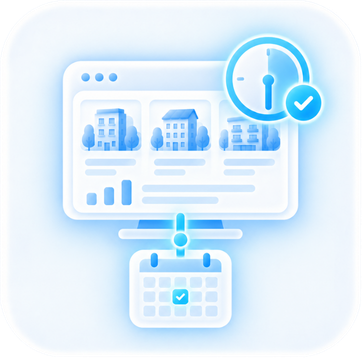
Comprehensive Tenant Screening at Your Fingertips
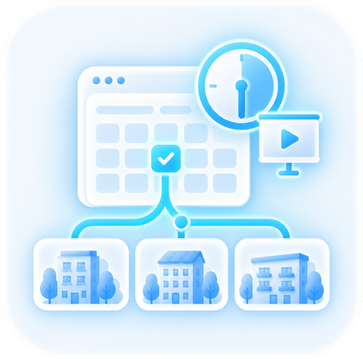
Advanced Screening Tools: Access comprehensive screening data including credit history, financial behavior, and employment income verifications with one clickTenant behavior analytics uses data science to track and predict renter actions, preferences, and patterns. This technology helps landlords optimize rental income, reduce vacancy rates, and improve tenant satisfaction using data-driven insights.
Property managers leverage tenant behavior analytics to understand rental market tendencies and individual renter needs. In 2022, smart home data analytics reached new industry heights, demonstrating growing interest in tenant behavior analysis.
Tenant behavior analytics involves collecting data from multiple touchpoints including payment patterns, maintenance requests, and amenity usage. Leasey.AI offers property management software that recognizes and anticipates tenant needs through advanced analytics.
These rental analytics solutions reveal which amenities lead to 20% higher tenant satisfaction rates. Understanding these patterns enables property managers to make informed decisions about property improvements and tenant retention strategies.
Understanding Tenant Behavior Patterns
Tenant behavior patterns emerge from analyzing rental payment trends, service request frequencies, and property usage data. Studies show that consistently late rental payments indicate a 30% increased risk of lease violations.
Property managers use behavior analytics to track when tenants typically submit maintenance requests. Peak request times often correlate with seasonal changes or specific property age factors.
Energy consumption patterns reveal tenant lifestyle preferences and occupancy schedules. This data helps property managers optimize utility management and identify properties suitable for energy-efficient upgrades.
How Property Insights Enhance Renter Satisfaction and Retention
Behavior analytics enable property managers to implement targeted retention strategies. These data-driven approaches increase tenant retention by up to 15% compared to traditional management methods.
Predictive models identify tenants at risk of non-renewal before lease expiration. Early intervention through personalized communication or amenity adjustments often prevents tenant turnover.
Streamline Your Application Process
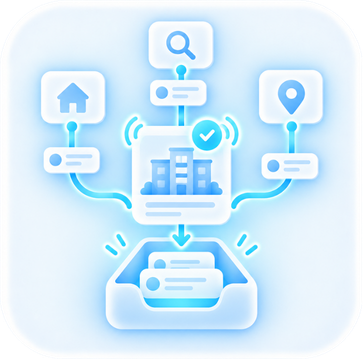
Digital Tenancy Applications: Send digital tenancy applications to your leads and gain access to comprehensive screening data for each applicantLeveraging Analytics in Rental Software Solutions
Rental management applications with integrated analytics enable evidence-based decision-making and property optimization. A 2021 survey revealed properties using analytics tools experienced 25% reduced operational costs over one year.
Modern property management software collects tenant behavior data automatically through digital interactions. This includes online payment patterns, portal usage frequency, and communication preferences.
Analytics dashboards provide real-time insights into tenant satisfaction metrics and property performance indicators. Property managers can identify trends before they impact occupancy rates or rental income.
What are the Benefits of Integrating Advanced Analytics into Rental Management Systems
Advanced analytics provide actionable insights leading to smarter investment decisions. Some landlords report 10% rental income increases through data-informed renovations and amenity additions.
Automated reporting saves property managers significant time on manual data analysis. This efficiency allows focus on tenant relationship building and strategic property improvements.
- Tracking of rent payment timings
- Insights into space utilization
- Assessment of maintenance request frequency
- Analysis of energy consumption data
- Monitoring amenity usage trends
- Understanding of peak occupancy periods
- Identifying preferred communication channels

Detailed Overview of Key Metrics for Renter Behavior Analytics and Insights
| Insight Metric | Usage Pattern | Average Duration | Rent Timeliness | Satisfaction Score | Maintenance Requests | Renewal Rate |
|---|---|---|---|---|---|---|
| Residential | Evening Peaks | 18 Months | 95% On Time | 4.2/5 | 12 per Year | 75% |
| Commercial | Daytime Peaks | 36 Months | 90% On Time | 3.8/5 | 25 per Year | 60% |
| Retail | Weekend Peaks | 24 Months | 85% On Time | 4.0/5 | 18 per Year | 70% |
| Students | Night Peaks | 12 Months | 80% On Time | 4.5/5 | 20 per Year | 85% |
| Senior Living | Steady Use | 30 Months | 98% On Time | 4.7/5 | 5 per Year | 90% |
| Vacation | Seasonal Peaks | 6 Months | 92% On Time | 4.3/5 | 8 per Year | 65% |
Benefits of Predicting Tenant Moves
Tenant behavior analytics dramatically improve rental income by anticipating tenant moves. A 2024 study showed property managers leveraging predictive analytics reduced turnover rates by 25%.
Early warning systems identify tenants likely to vacate based on behavior changes. Decreased portal usage, delayed payments, or increased maintenance complaints often signal potential departures.
Proactive retention strategies prevent costly vacancy periods and turnover expenses. Property managers can access resources like this guide on effective tenant retention strategies.
What Strategies Can Be Employed for Improving Renter Retention and Satisfaction
Personalized marketing techniques tailored to current residents boost tenant satisfaction significantly. Data from 2023 suggests personalized communication increases lease renewal likelihood by 30%.
Targeted amenity improvements based on tenant usage patterns increase property value. Analytics reveal which amenities tenants value most, guiding strategic property investments.
How Analytics Can Reduce Vacancy Rates
Tenant behavior analytics optimize marketing strategies for rental properties by targeting ideal tenant demographics. Recent reports show smart data usage decreases vacancy rates by up to 15% through targeted advertising.
Behavioral patterns help identify the most effective marketing channels for specific property types. Student housing requires different marketing approaches than family residential properties.
Tenant screening analytics match ideal candidates to properties, enhancing tenant-landlord relationships. Comprehensive screening solutions impact property management significantly, as explored on property management advice websites.
How Improved Renter Screening Contributes to Sustaining High Occupancy Rates
Proper tenant screening mitigates difficult tenant risks while maintaining high occupancy rates. This approach saves significantly on property maintenance costs and legal expenses.
Effective screening tools in 2024 predict tenant compatibility with 95% accuracy rates. This precision minimizes vacancies and reduces tenant-related property damage incidents.
- Detection of common noise complaint times
- Provision of customized living suggestions
- Evaluation of resident satisfaction surveys
- Gathering feedback on facility improvements
- Research on preferred community events
- Test results guiding pet policy adjustments
- Analysis of service response time improvement

- Tenant Behavior Analytics and Insights
- Virtual Reality Tours in Property Listings
- Chatbots and Virtual Assistants for Tenant Support
- Disaster Recovery and Backup Solutions for Property Management Data
- Role of Social Media Integration in Property Management Software
- Online Payment Gateway Integration in Property Management Software
- Property Management Software Scalability for Growing Businesses
Tenant Habit Insights from Niche Data Segments
Tenant habit insights reveal behavioral patterns across different demographic segments and property types. A 2022 study found incorporating big data analytics increases operating efficiency by up to 15%.
Residential tenant behavior differs significantly from commercial tenant patterns. Urban tenants prioritize smart home features for convenience and security, while suburban tenants focus on space utilization.
Seasonal patterns emerge in tenant behavior analytics, particularly for vacation rentals and student housing. These insights help property managers optimize pricing and maintenance scheduling throughout the year.
How Property Managers Can Utilize Renter Habit Insights Effectively
Resident behavior data helps property managers enhance tenant retention through preference understanding. Research shows 60% of tenants feel more satisfied with personalized property management approaches.
Behavioral insights guide amenity planning and property improvement investments. Data-driven decisions about facility upgrades often result in higher tenant satisfaction and increased property values.
What Renters Seek in Today’s Market
Current rental market insights reveal tenant preferences essential for competitive positioning. Energy-efficient appliances topped tenant must-have lists in early 2024 surveys.
Pet-friendly accommodations see increasing demand, with 65% of 2023 survey respondents wanting pet-friendly options. These insights help property managers adapt to dynamic rental landscape changes.
Technology integration becomes increasingly important for tenant attraction and retention. High-speed internet and smart home features significantly influence tenant decision-making processes.
Which Amenities Prove Necessary to Attract New Renters Now
High-speed internet and in-unit washers and dryers rank among essential amenities for attracting new tenants. Buildings offering these features experience 10% quicker rental turnover rates according to 2024 data.
Fitness facilities and co-working spaces gain importance, particularly for millennial and Gen Z renters. These demographics prioritize lifestyle amenities over traditional features like formal dining rooms.