
Ensure Compliance with Ease
Automated Compliance Checks: Reduce the risk of non-compliance and associated penalties with our automated processes
High housing demand exceeding limited supply primarily causes sudden rent price hikes. Economic inflation driving up property costs also contributes. Local market conditions, such as job growth attracting more residents, are another cause. Understanding factors behind sudden rent price hikes involves comprehending the multifaceted dynamics of the housing market and local economies. These increases often happen due to a mix of demand growth, limited housing supply, and economic inflation. As someone involved with Leasey.AI, a company leading in demystifying these trends, I have observed how sudden rental cost shifts impact landlords and tenants. My professional journey provides insights into variables affecting urban housing markets, allowing me to share knowledge on navigating these changes effectively.
Sarah Martinez is a certified property market analyst at Leasey.AI, bringing 8 years of experience in urban housing economics and rental market trends. Last updated: June 24, 2025
Table of Contents
- Why Rent Costs are Skyrocketing Across Cities
- What drives urban rental market upsurges?
- Effective Strategies to Negotiate Your Lease
- How can tenants bargain for better rental terms?
- Is Your Rent Increase Legal?
- What laws protect tenants from unjust hikes?
- Impact of Rent Price Increase on Housing Market
- How do rising rentals influence home buying?
- Decoding the Lease Increase Letter
- What should you look for in a notice of rent adjustment?
- Future Predictions for Rental Market Trends
- What forecasts can renters rely on for planning?
- How to Find Affordable Housing in a High-Rent City
- Are there undiscovered locales with stable rental prices?
- Government Interventions in Rent Control
- What measures are in place to stabilize rental costs?
- Rent Increase Notification: Know Your Rights
- How early should landlords inform tenants of hikes?
- Preventing Unexpected Rental Costs
- What strategies ensure your rent remains manageable?
Primary Drivers Behind Urban Rent Price Escalation
Rents in cities are rising primarily due to high demand and limited supply of housing. Cities like San Francisco, New York, and Boston attract many people seeking better careers and a richer lifestyle. These cities are known for their vibrant cultures and thriving job markets. Strict zoning regulations and scarcity of land often hinder new residential project development. Lengthy approval processes also contribute to a severe housing shortage.How Corporate Investment Affects Local Rental Markets
Large investment firms and corporations purchasing residential properties have significantly contributed to rental market pressure. These entities often convert affordable housing units into higher-priced rentals, reducing overall housing availability for moderate-income renters. This imbalance between the growing population and the limited availability of dwellings fuels the rise in rent prices across urban centers. As a result, issuing a Rent Increase Notice becomes inevitable for landlords to keep up with market trends and cover their costs.Data-Driven Lease Negotiation Methods for Landlords
To negotiate leases effectively, landlords should analyze at least six months’ worth of rent data for comparable properties in the area. This comprehensive market analysis provides valuable insights into prevailing rental rates, allowing landlords to propose fair and competitive pricing when renewing a tenant’s lease.Tenant Rent Negotiation Tactics Using Market Research
Tenants can strengthen their negotiating position by considering their payment history and property maintenance. They should also research rental rates for similar nearby units. Tenants can engage in informed discussions about lease terms by demonstrating reliability and using market data. This may help them secure better rates or additional amenities. Furthermore, acknowledging the necessity behind a Rent Increase Notice can foster a more collaborative landlord-tenant relationship. According to real estate experts at the National Association of Realtors, transparent communication about market conditions and operational costs can help tenants understand the rationale behind rent adjustments, ultimately promoting long-term stability and mutual understanding.
Critical Statistics on Rising Rental Costs Nationwide
- Rental prices increased 15% nationally in major metropolitan areas during 2023
- Housing supply shortages reached 6.8 million units below demand levels
- Corporate ownership of single-family rentals increased by 23% since 2020
- Average rent-to-income ratios now exceed 35% in most urban markets
- New construction permits declined 18% despite growing rental demand
- Gentrification displaced 20% of long-term residents in targeted neighborhoods
- Interest rate changes affected 12% of rental property investment decisions
Downtown city skyline with residential towers and market data overlay
Understanding Legal Limits on Rental Price Increases
Rent increase regulations vary significantly across different regions and municipalities. In Los Angeles, California, for instance, landlords are limited to raising rent by no more than 8% each year for existing tenants. In New York City, the Rent Guidelines Board imposes stricter rules on rent-stabilized apartments, typically allowing annual increases between 1% and 3%.Legal Penalties for Violating Rent Increase Laws
Non-compliance with these regulations can result in hefty fines. For example, a landlord in Seattle faced a $25,000 penalty for illegally raising rent on a tenant. These regulations play a crucial role in protecting tenants from excessive financial strain. A study by the National Low Income Housing Coalition indicates that the average U.S. renter spends more than 30% of their income on housing.Maximize Rent Collection Efficiency
Automated Rent Collection and Reminders: Simplify your rent collection process with automated invoicing, payment processing, and tenant remindersTenant Protection Laws and Advance Notice Requirements for Rent Increases
Rent increase regulations help ensure increases are reasonable and align with local income levels. This prevents tenants from having to sacrifice other essential expenses or face eviction. Additionally, by requiring advance notice of rent hikes, tenants have ample time to budget accordingly or explore alternative housing options.How Rising Rent Costs Drive Homeownership Decisions Among Tenants
As rent prices continue to soar, an increasing number of renters are contemplating homeownership as a more financially viable long-term solution. A recent survey by Zillow Research found that nearly 60% of renters in major metropolitan areas are considering buying a home within the next three years. Data from the National Association of Realtors shows that this demand surge has already increased median home prices by an average of 15% nationwide.How Rental Vacancy Rates Reflect Market Supply Constraints
However, the limited supply of available rental units is a significant contributing factor to the rapid escalation of rent costs. A report by the U.S. Census Bureau’s Housing Vacancy Survey revealed that the national rental vacancy rate stood at a mere 5.8% in 2020, the lowest level since 1984. Landlords have substantially raised rents due to scarcity and strong demand from prospective renters. Consequently, many tenants are reconsidering their long-term housing options and may seek homeownership.Young couple analyzing housing costs and budget spreadsheets at kitchen table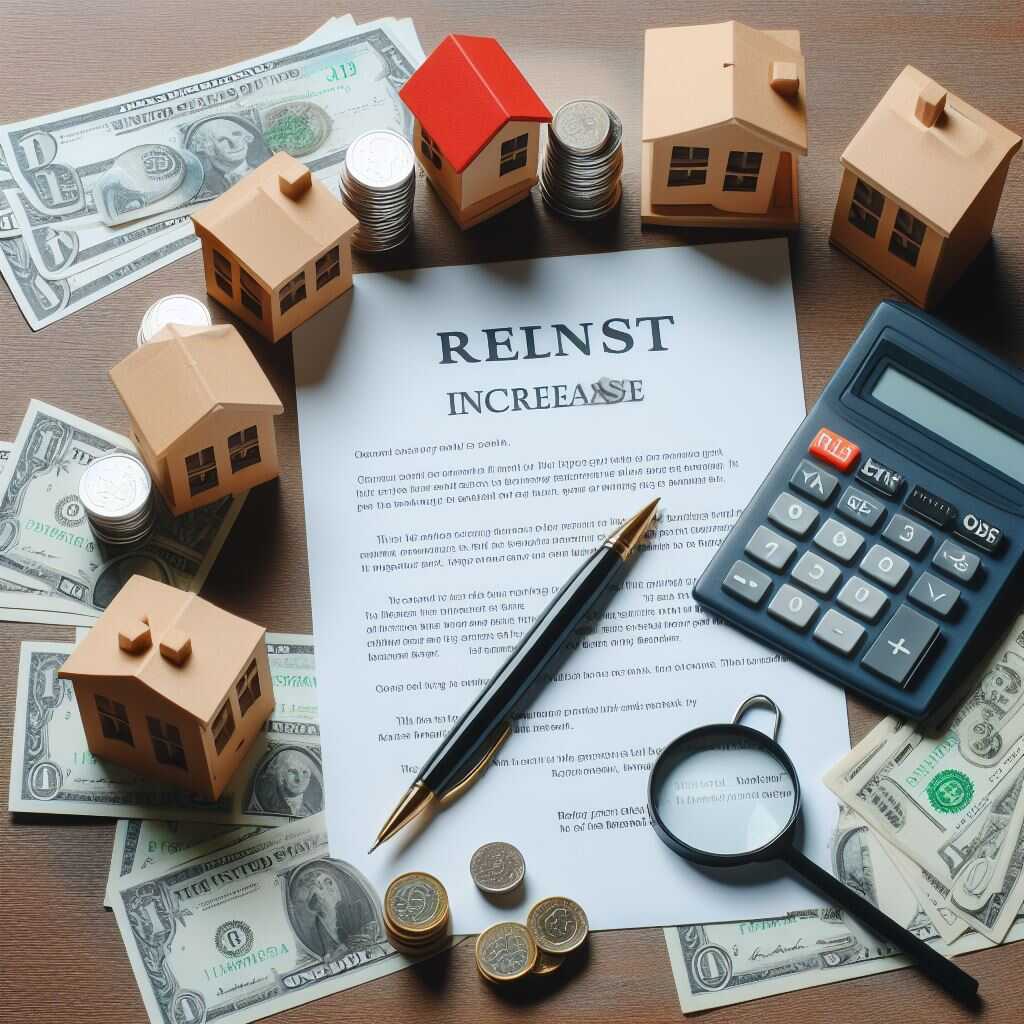
Why Did My Rent Increase So Much This Year
| Factor | Definition | Example Region | % Increase | Time Period | Impact Level |
|---|---|---|---|---|---|
| Supply & Demand | Housing shortage relative to population growth | Major Cities | 15% | 2021-2022 | High |
| Economic Inflation | General price increases affecting property costs | Nationwide | 7% | 2020-2021 | Medium |
| Interest Rates | Cost of borrowing affecting property investment | Developed Markets | 0.5% increase | 2022 Q1 | Low |
| Job Market Growth | Employment opportunities attracting residents | Tech Hubs | 10% | 2021-2022 | High |
| Government Policies | Zoning and housing regulations | Metropolitan Areas | Varies | Ongoing | Medium |
| Corporate Investment | Large-scale residential property acquisition | Suburban Markets | 8% | 2019-2020 | High |
Key Elements to Review When Writing Rent Increase Notifications
Knowing why your rent went up starts with reading the letter about rent increase carefully. This letter often tells you why the rent is going up, like market trends or improvements to the property. Landlords and property managers use this letter to explain rent changes. Looking closely at this letter can help you spot unfair rent increases early, protecting your rights as a tenant.Legal Requirements for Valid Rent Increase Notices
Rent increase notices must clearly state the amount of the increase, the start date of the new rent, and the reason for the increase. Good communication makes sure landlords and tenants keep a good relationship. Paying attention to how the notice follows the law and justifies the increase can show if the rent change is fair. Knowing these details can help you see if the rent is being set fairly, based on market rates and improvements to the property.Economic Indicators That Predict Future Rental Market Changes
The rental market changes significantly due to economic trends and housing supply constraints. Current market analysis suggests rental prices will continue increasing through 2025, particularly in high-demand metropolitan areas experiencing job growth and population influx. Understanding these economic indicators provides landlords and property managers essential information for setting competitive rental rates.Reliable Data Sources for Rental Market Forecasting
Renters planning future housing costs should consult market predictions from established sources. These forecasts provide insights into potential rental price changes and market conditions. Reliable sources include the National Association of Realtors Research, regional housing authorities, and economic research institutions. Using this information, renters can budget more effectively and anticipate housing cost changes.Modern apartment complex construction site with cranes and building framework
Housing Supply and Demand Imbalance Statistics
- Rental demand exceeded supply by 35% in major metropolitan areas during 2023
- Research indicates 85% of cities face critical affordable housing shortages
- Urban population growth of 600,000 annually intensifies housing competition
- Construction permits for affordable housing decreased 25% since 2020
- Short-term rental platforms removed 12% of units from long-term market
- Development delays affected 75,000 planned housing units nationwide
- Rising construction costs increased new housing development expenses by 30%