Purpose-built portfolios still lose weeks to manual leasing workflows
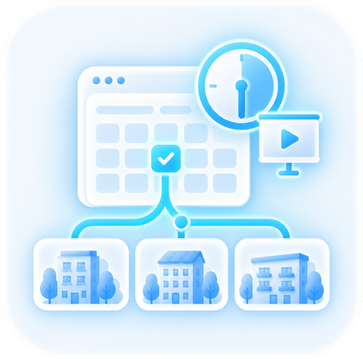
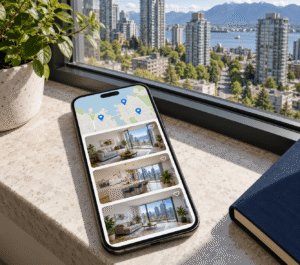
- Respond to every inbound lead 24/7 — AI agents handle inquiries, qualify prospects, and book showings without staff involvement
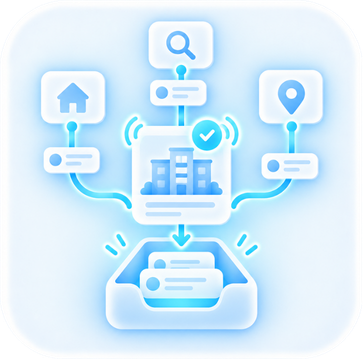
- Syndicate vacancies across 48+ rental marketplaces in one click and track which channels are actually converting
- Screen applicants with biometric ID verification, credit, background checks, and fraud detection — all in one pipeline
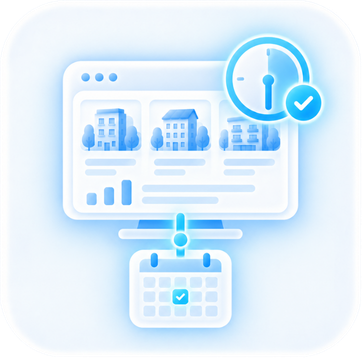
- AI agents handle inquiries and book showings 24/7. Vacancies syndicate across 48+ rental marketplaces in one click. Together, these tools cut vacancy periods from 45 days to under 7 days without adding staff.
How Purpose-Built Rentals Deliver Housing Stability
Have you ever faced unexpected eviction because your landlord decided to sell the condo you were renting? Purpose-built rental properties are residential buildings designed and constructed specifically for 12–24 month rental occupancy with institutional ownership ensuring ongoing rental operation. Canada’s 2024 Rental Market Report from CMHC shows the national vacancy rate reached a record low of 1.5 percent. That shortage is driving development of purpose-built properties featuring professional management, tenure security, rental-optimized layouts, amenity packages, and smart building technology. Key features include 12–24 month lease terms, dedicated maintenance teams with 2-hour emergency response, and ownership structures that eliminate arbitrary eviction risks.Core Definition and Institutional Ownership Models
The key distinction between purpose-built and other rentals lies in original construction intent and ownership structure. Developers build purpose-built rental properties from initial planning stages with permanent rental occupancy as the core business model. Institutional investors like Real Estate Investment Trusts (REITs) and property management companies maintain long-term ownership rather than selling individual units to separate owners. This ownership approach gives both landlord and tenant an interest in stable, long-term occupancy. That differs from investor-owned condos, where individual owners may sell units at any time. ReDev Properties reports that purpose-built rentals stabilize housing supply in markets experiencing shortages through consistent professional management and adequate supply. Research shows purpose-built rentals achieve 68 percent tenant retention rates compared to 54 percent for converted rentals. This higher retention reflects the stability that institutional ownership creates for residents. Institutional landlords have no individual owner who might decide to sell or move in, so tenants face far less turnover pressure. Market forces are accelerating the shift from individual condo ownership to institutional purpose-built rental development across Canada. RBC Economist Rachel Battaglia notes that purpose-built rental starts in Metro Vancouver outpaced condo starts in 2022 for the first time since 1990, signaling a fundamental market transformation. Government initiatives reinforce this trend. Budget 2024’s accelerated Capital Cost Allowance offers ten percent annual depreciation for eligible purpose-built projects starting construction through 2030 and completing by 2036. QMC Metering Solutions analysis shows these fiscal incentives align with sustainability goals by encouraging energy-efficient new construction meeting modern building standards.Purpose-Built vs Converted Rentals: Key Differences
Converted rentals originate as condominiums purchased by investors who subsequently rent units to tenants. Throughout this article, the terms converted rentals, investor-owned condos, and condo rentals refer to the same type of housing. This ownership structure creates inherent instability. Owners retain rights to sell, move in personally, or house family members with minimal notice beyond legal requirements. Purpose-built rentals eliminate this uncertainty through institutional ownership structures designed for ongoing rental operation. According to STOREYS, residents who pay rent on time and remain in good standing will never face eviction due to owner decisions to sell or occupy units personally. Design differences extend beyond ownership into construction priorities. Purpose-built properties incorporate rental-specific features from initial construction. These features include commercial-grade appliances built for frequent use, soundproofing between units achieving Sound Transmission Class ratings of 50 or higher, and common area configurations maximizing social interaction. Converted condos retain owner-occupancy design priorities like individual utility metering that creates separate billing complexity. They also feature luxury finishes requiring delicate maintenance unsuitable for rental turnover, and limited common amenities added as afterthoughts in lobbies or rooftops. Purpose-built rentals achieve 68 percent tenant retention rates compared to 54 percent for converted rentals, which directly reflects the impact of design quality on resident satisfaction. Maintenance infrastructure reveals further operational distinctions that affect daily life. Purpose-built properties employ dedicated in-house teams including licensed electricians, plumbers, and HVAC technicians who respond rapidly to service requests. Converted rental owners typically contract independent service providers, creating variable quality and extended resolution timeframes. This operational difference matters most when urgent repairs require immediate attention during evenings or weekends, when contractors charge premium rates or remain unavailable.Housing Stability Decision Assessment
Use this assessment framework to determine whether purpose-built rentals match your housing needs:- ☐ Tenure Plans: Do you need housing stability for 24 months or longer without risk of forced relocation? Purpose-built properties offer extended lease terms with tenure security preventing arbitrary eviction for owner sale or personal occupancy.
- ☐ Income Stability: Can you commit to consistent monthly payments for extended periods? Purpose-built leases typically require stronger financial verification but provide predictable housing costs with limited annual increases of 3–5 percent.
- ☐ Amenity Priorities: Do you value included amenities like fitness centers, co-working spaces, and social events over lower base rent? Purpose-built properties bundle comprehensive amenities adding 15–20 percent value above base rent figures.
- ☐ Management Expectations: Do you prioritize professional maintenance response under 2 hours for emergencies over potential cost savings? Dedicated management teams provide superior service quality at premium pricing.
- ☐ Location Preferences: Are you willing to live in newer developments often located in urban cores or transit-oriented areas? Purpose-built properties concentrate near employment centers and transportation hubs.
Why Community Spaces Beat Traditional Fitness Centers in 2024
Why are developers spending millions on fitness centers that tenants increasingly ignore? The assumption that gyms and pools top renter wish lists is collapsing under data showing dramatic preference shifts. Modern renters now seek community connection over individual facilities.Traditional Amenities Losing Appeal
Zillow’s 2024 analysis of 5.6 million rental listings reveals patterns that contradict conventional development wisdom. Listings mentioning fitness centers attract 26 percent fewer saves than comparable units without gym amenities. Pool mentions generate 10 percent fewer saves. This represents a dramatic reversal from pre-pandemic preferences when gyms and pools topped amenity wish lists. The shift reflects changing work-life patterns as remote work normalizes and renters prioritize home-based convenience over shared facilities requiring schedule coordination. Cost considerations also drive preference changes. Renters pay typical premiums of $70 monthly for pool access and $62 for gym inclusion. As rental rates increased 33.6 percent above pre-pandemic levels nationally, renters increasingly question whether traditional amenities justify premium pricing. Many people keep existing gym memberships because they offer broader equipment selection, group classes, and flexible locations instead of paying building premiums for basic equipment rooms with limited hours.Community-Focused Features Driving Demand
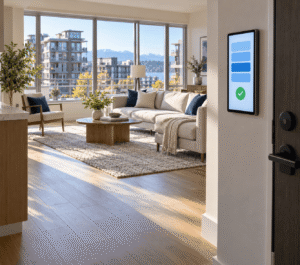
Renters are replacing gym and pool priorities with social connection and practical convenience. Zillow data shows listings featuring building happy hour events draw 50 percent more saves while turf pet areas generate 76 percent more interest than comparable units. Co-working spaces have emerged as essential rather than optional. They support work-from-home arrangements that require professional video call backgrounds and high-speed internet at 100–500 Mbps. Buildings Magazine reports communal workspaces let people work differently throughout the day, with lounge sofas, higher-top tables, and adjustable workstations with dimmable task lighting. Metro Vancouver’s 19 active purpose-built rental projects leasing as of October 2024 demonstrate this amenity evolution. Projects feature pet-friendly policies, communal workspaces, and rooftop lounges attracting tenants willing to pay premiums averaging $250–$350 monthly over comparable units without these community-building features. Pet-friendly policies involve more than simple permission. They include dedicated washing stations, enclosed play areas, and waste disposal systems integrated into the building design. Smart building technology has also become a priority for renters. Package lockers with refrigerated compartments accommodate grocery delivery services used by 67 percent of urban renters according to industry surveys. Electric vehicle charging stations signal environmental commitment while providing practical infrastructure as EV adoption accelerates. Virtual concierge services accessible through smartphone apps allow residents to pay rent, book amenities, request maintenance, control thermostats, and unlock front doors without physical interaction.Smart Building Technology as Essential Infrastructure
Purpose-built rentals integrate technology from construction rather than retrofitting consumer devices. High-speed fiber internet infrastructure supporting 100–500 Mbps downloads becomes a building-wide utility rather than an individual tenant responsibility. Smart access control systems using keycard or smartphone authentication track entry patterns, providing both security and operational data for property management. Gatewise research shows 86 percent of millennials will pay more for rental properties with integrated smart home amenities. This represents a substantial market segment driving development decisions. In-unit technology focuses on energy management and convenience. Smart thermostats from providers like Nest or Ecobee reduce heating and cooling costs 12–18 percent through learning algorithms and remote control capabilities. Voice-activated lighting compatible with Google Home and Alexa platforms provides hands-free operation attractive to accessibility-focused design. Automated blinds or shades controlled via smartphone apps optimize natural light while reducing solar heat gain during summer months. These systems integrate with building management platforms allowing property teams to monitor system performance and diagnose issues remotely before tenants experience service disruptions.How Rental-Optimized Design Maximizes Living Space
When ArtHouse Residential eliminated hallways from Edmonton floor plans, skeptics questioned whether the unconventional approach would compromise livability. The result was 150–200 additional square feet per unit without expanding the building footprint, proving that rental-specific design unlocks efficiency that owner-occupied layouts cannot match.Space Optimization Strategies in Purpose-Built Design
Purpose-built rentals maximize usable living area through design choices that owner-occupants rarely accept. Open-concept layouts eliminate non-load-bearing walls between kitchens and living areas, creating perceived spaciousness in modest square footage. Built-in storage systems using European-style cabinetry provide 15–20 percent more capacity than standard North American depths through floor-to-ceiling configurations and interior organization systems. Murphy beds, fold-down desks, and convertible furniture platforms accommodate multiple room functions within single spaces, addressing work-from-home needs without requiring dedicated office rooms. ArtHouse Residential’s Edmonton developments demonstrate innovative space reclamation beyond typical approaches. Builders cut hallways to create extra living space while ensuring all suites have outdoor access via balconies or patios, achieving density without sacrificing quality of life. This approach recognizes that rental tenants prioritize functional living space over circulation areas that consume square footage without adding utility. Three- and four-bedroom configurations accommodate families and remote workers who require separate spaces for different activities throughout the day.Smart Technology Integration at the Infrastructure Level
Technology integration in purpose-built rentals starts during construction, not after. Builders wire buildings for connectivity rather than adding consumer devices after residents move in. Structured wiring throughout units supports current and future connectivity needs. Cat-6 ethernet ports are in every room, and multiple coaxial connections allow for flexible furniture arrangement. Smart thermostats use occupancy sensors to detect when units are empty for long periods. This allows them to automatically reduce heating or cooling to minimum levels, preventing pipe freezing or excessive humidity while minimizing energy waste. Keyless entry systems provide individualized access codes for tenants, maintenance staff, and temporary guests with audit trails recording all entry times for security documentation. Voice-activated controls extend beyond entertainment to building systems. Integration with Google Home and Alexa platforms allows verbal commands for lighting levels, thermostat adjustments, and window covering positions. Smartphone-controlled systems allow remote monitoring and adjustment from any location with internet access. Tenants can use this to preheat units before arriving home in winter or verify door locks after leaving. Gatewise data shows properties implementing smart home technology experience an average 5 percent increase in rental value. Studies by Entrata on multifamily housing also show an 8 percent improvement in overall resident satisfaction.Commercial-Grade Durability and Maintenance Access
Purpose-built properties specify commercial-grade materials and equipment designed for frequent use and extended lifecycles. Appliances from manufacturers like Whirlpool and GE carry commercial ratings withstanding daily operation for 10–15 years versus residential models lasting 5–7 years under similar usage. Flooring materials prioritize luxury vinyl plank that achieves high wear ratings while maintaining aesthetic appeal through realistic wood-grain patterns. Cabinetry uses full-overlay construction with soft-close hardware rated for 100,000 cycles, approximately 20 years of daily use. Maintenance access planning differentiates purpose-built construction from owner-occupied designs. Mechanical rooms consolidate HVAC equipment, water heaters, and electrical panels in centralized locations allowing technicians to service multiple units efficiently. Access panels in strategic locations provide reach to plumbing, electrical, and HVAC systems without requiring invasive drywall removal. These design choices reduce repair time and minimize tenant disruption when maintenance becomes necessary. Converted condos often present the opposite problem — individual owner renovations frequently concealed or relocated building systems, creating service challenges for future maintenance.How Purpose-Built Properties Serve Students, Seniors, and Millennials
Demographic-specific design matches building features to the specific needs of students, seniors, or millennials. Generic solutions provide basic function, but customized features transform daily experience from adequate to exceptional.Student Housing: Turnkey Convenience and Academic Support
Student-oriented purpose-built rentals emphasize turnkey convenience and social connectivity. Campus Crest Communities and EdR provide furnished units eliminating moving truck rentals and furniture acquisition costs that burden students relocating annually or semi-annually. Furniture packages include full-size beds rather than twin mattresses, recognizing adult proportions. Desks come with integrated power outlets and task lighting supporting extended study sessions. Dressers provide adequate capacity for semester-long wardrobes. Shared units feature individual bedroom locks protecting personal belongings during roommate turnover common in student populations. Communal spaces prioritize academic support and social interaction. Study lounges offer 24-hour access during exam periods with quiet zones enforcing silence and collaborative areas permitting group work. High-speed internet throughout buildings supports simultaneous video streaming and online research by hundreds of residents without bandwidth throttling. Game rooms with pool tables, foosball, and video game consoles provide stress relief spaces encouraging organic social connections. Students often prefer rental units near schools and job centers because these locations provide amenities like study spaces, high-speed internet, and social areas.Senior Living: Accessibility and Healthcare Integration
Senior-focused purpose-built rentals prioritize accessibility and safety through architectural choices. Single-story layouts or elevator-served buildings eliminate stair navigation challenges affecting mobility-impaired residents. Hallway widths of 42–48 inches accommodate walkers and wheelchairs comfortably compared to 36-inch code minimums common in standard construction. Bathroom configurations include curbless showers with fold-down seats, grab bars rated for 300-pound loads at optimal 33–36 inch heights, and slip-resistant flooring meeting ADA coefficient of friction requirements. Safety-focused installations provide peace of mind for residents and family members. Emergency call systems in bathrooms and bedrooms connect directly to 24-hour staffed monitoring centers with response protocols guaranteeing acknowledgment within 90 seconds. Motion sensors in living areas can detect unusual inactivity patterns potentially indicating falls or health emergencies. Wellness centers staffed by licensed healthcare professionals offer blood pressure monitoring, medication management support, and coordination with external medical providers. Sunrise Senior Living and Atria Senior Living developments integrate these features seamlessly into residential environments, avoiding institutional aesthetics that undermine dignity and independence.Millennial Priorities: Sustainability and Experience-Driven Design
Millennial renters comprise 38 percent of purpose-built rental residents, showing a 10 percent increase since 2015. This demographic drives amenity evolution toward experiences over possessions. Co-working spaces with private phone booths and video conference rooms support gig economy careers and remote work arrangements. Pet-friendly policies with dedicated washing stations and outdoor play areas accommodate the 67 percent of millennials who own dogs or cats. Sustainability features like bike storage, EV charging, and recycling programs align with environmental values. Social programming including fitness classes, happy hours, and community volunteer opportunities creates connection that replaces traditional neighborhood interactions less common in urban high-rise living.Why Institutional Teams Outperform Individual Landlords
Elliott West Apartments in Seattle offers 24-hour maintenance coverage. Their average emergency response time is under 2 hours, transforming tenant experience from reactive crisis management to proactive service delivery that individual landlords cannot match.Response Time Standards and Tiered Service Protocols
Professional property management establishes tiered response protocols that define service expectations. Emergency issues including water leaks, heating failures during winter, electrical hazards, or security breaches receive acknowledgment within 2 hours with technician dispatch following immediately. Urgent but non-emergency matters like appliance malfunctions, plumbing clogs, or lock issues warrant same-day response during business hours. Maintenance teams complete routine requests for filter changes, light bulb replacements, or cosmetic repairs within 5 business days. Individual landlord arrangements offer no such guarantees. Response time depends on personal availability and competing priorities. Dedicated maintenance teams include licensed professionals with specialized expertise. Electricians handle circuit breaker issues, outlet repairs, and lighting system troubleshooting meeting local electrical codes. Plumbers address water pressure problems, drainage clogs, and fixture replacements using proper techniques preventing future failures. HVAC technicians service heating and cooling systems with manufacturer-specific training ensuring warranty compliance and optimal performance. This specialization differs significantly from handyman services used by individual landlords. Generalists often attempt repairs beyond their skill level, which can create safety hazards or void equipment warranties.Preventive Maintenance Schedules That Reduce Emergency Failures
Purpose-built rental properties implement systematic preventive maintenance that reduces emergency repairs through early problem detection. Quarterly HVAC inspections include filter changes, coil cleaning, and refrigerant level verification preventing system failures during peak usage periods. Monthly mechanical room checks monitor water heaters, boilers, and pumps for signs of corrosion, leaks, or unusual operation. Biannual fire suppression system testing ensures sprinklers, alarms, and emergency lighting function properly during actual emergencies. Elevate Living research confirms purpose-built apartments conduct regular preventive maintenance checks that identify and fix issues before they affect tenant comfort or safety. City Gardens Apartments in San Francisco exemplifies comprehensive preventive approaches. The property performs monthly checks on all mechanical systems and annual deep cleanings of common areas, maintaining aesthetic appeal and operational reliability. This proactive stance reduces tenant disruption from unexpected equipment failures while extending asset lifecycles through proper maintenance. Individual landlords often lack the time, budget, or technical knowledge to maintain such rigorous service schedules for various building systems.Specialized Staffing and Technology Platforms
Property management companies operate at institutional scale supporting specialized roles. On-site managers handle lease administration, tenant relations, and vendor coordination as full-time responsibilities rather than side activities. Maintenance supervisors with trade certifications oversee repair quality and train junior technicians in proper procedures. Customer service representatives staff leasing offices during extended hours including evenings and weekends accommodating working professionals’ schedules. This staffing depth allows rapid response regardless of timing, whereas individual landlords juggle rental management alongside primary employment creating delayed responses during business hours. Leasey.AI is a property management platform built for purpose-built rental operators. Leasey.AI automates rent collection, maintenance request tracking, and tenant communication, reducing administrative burden while improving service consistency. Leasey.AI also cuts vacancy periods from 45 days to under 7 days through AI-powered lead handling and multi-marketplace syndication. Mobile apps allow tenants to submit maintenance requests with photos documenting issues, track repair progress through status updates, and rate service quality upon completion. Digital tools create accountability records that protect both parties. These tools also streamline operations that individual landlords managing small portfolios with paper-based systems or simple spreadsheets cannot replicate.How 12–24 Month Leases and Legal Protections Ensure Stability
Comparing rental options requires looking beyond the monthly payment to total occupancy costs.Lease Duration Options and Renewal Incentives
Purpose-built rental properties typically offer extended lease terms ranging from 12 to 24 months compared to more common 6 to 12-month leases in converted rental markets. AvalonBay Communities Avalon Wilshire in Los Angeles provides both 12 and 24-month options allowing tenants to select commitment levels matching their circumstances. Longer lease terms benefit both parties through reduced turnover costs for landlords and extended housing security for tenants. For example, a 24-month lease gives a landlord guaranteed occupancy and eliminates remarketing costs. It gives a tenant 24 months of stable housing without risk of owner-sale eviction. Landlords often incentivize 24-month commitments with 3–5 percent rent reductions recognizing the value of guaranteed occupancy and eliminated remarketing expenses. On a $2,500 monthly unit, a 3–5 percent discount saves a tenant $75 to $125 per month. Lease agreements in purpose-built properties include provisions protecting tenant interests beyond minimum legal requirements. Routine maintenance schedules specify quarterly HVAC servicing, annual appliance inspections, and semi-annual safety system testing ensuring property upkeep occurs proactively rather than reactively. Rent increase limitations restrict annual escalations to reasonable percentages, typically 3–5 percent or Consumer Price Index plus specified margins, preventing shock increases at renewal. Camden Ridge Apartments in Lake Forest, California incorporates tenant-protective provisions that create stable, predictable housing costs allowing residents to budget confidently for extended periods.Security of Tenure vs Owner-Occupancy Rights
Security of tenure means a tenant cannot be evicted because an owner wants to sell or move in. This protection is the defining legal advantage of purpose-built rentals over converted units. Institutional landlords operating rental businesses cannot evict tenants for personal use or family accommodation because no individual owner exists with such needs. This protection eliminates the main eviction risk for tenants in investor-owned condos. Owners in these condos retain the right to reclaim properties for personal occupancy with 60–90 days notice, depending on the jurisdiction. Ontario tenant protection resources confirm condo rentals provide less tenure security, with tenants facing potential 60-day eviction notices if owners require units personally. Recent legislative changes strengthen tenant protections in purpose-built rentals. Colorado’s HB 24-1098, enacted in April 2024, requires landlords to demonstrate cause for non-renewal of leases after tenants occupy properties for 12 months. Acceptable causes include substantial violations, nonpayment, property damage, or legitimate business needs like major renovations. New York’s Good Cause Eviction Law limits rent increases to the lower of 10 percent or Consumer Price Index plus 5 percent. The law also requires legitimate reasons for lease non-renewal. Laws like Colorado’s HB 24-1098 and New York’s Good Cause Eviction Law benefit purpose-built rental residents more than others. Institutional landlords maintain compliance systems that track regulation changes. Individual landlords may not know these laws apply to them.Total Cost of Occupancy Beyond Base Rent
Purpose-built rentals frequently include utilities like water, heat, and trash removal worth $150–$250 monthly depending on climate and unit size. High-speed internet service typically included adds $80 monthly value versus separate subscription requirements. Amenity access including fitness centers, co-working spaces, and social programming provides equivalent value of $50–$100 monthly compared to external gym memberships and coworking day passes. Professional maintenance service eliminates tenant responsibility for repairs that individual landlords sometimes improperly shift to renters through lease provisions. Consider this comparison. A purpose-built unit advertised at $2,500 monthly includes utilities, internet, amenities, and professional management. A converted condo at $2,200 monthly adds $200 for utilities, $80 for internet, and $150 for parking. The converted condo’s actual monthly cost is $2,630. The purpose-built option provides superior value despite higher advertised rent while delivering additional benefits like security of tenure and guaranteed maintenance response times. Purpose-built rentals often offer better value than superficially cheaper alternatives when considering all occupancy expenses and service quality differences.How Integrated Security Infrastructure Protects Residents 24/7
A malfunctioning keycard system causes a split-second delay. This delay can mean the difference between safe entry and uncomfortable vulnerability in a dimly-lit parking structure at night.Access Control and Surveillance Coverage Standards
Controlled-access entry systems form the primary security perimeter. Main building doors use keycard readers or smartphone-based authentication requiring valid credentials for entry. Residents receive individualized codes or cards tracked in management databases allowing access revocation upon lease termination without rekeying physical locks. Visitor management systems require guests to register with security personnel or residents before receiving temporary access credentials with expiration times. Parking structure gates use similar authentication preventing unauthorized vehicle entry while maintaining resident convenience through automated recognition systems. CCTV surveillance provides comprehensive coverage of security-critical areas. Properties average 25 high-definition cameras per 300 units monitoring all building entry points, elevator lobbies, parking structures, and common areas according to typical installation standards. Recording systems maintain 30-day rolling archives allowing incident investigation and evidence provision to law enforcement when necessary. Camera positioning follows strategic principles to ensure no blind spots exist in public circulation areas. This positioning also respects tenant privacy by excluding views into residential units or private patios. The Pointe Apartments in Seattle incorporate this approach with controlled-access gates throughout property grounds, ensuring comprehensive security for its 300 units.Fire Safety Systems That Exceed Code Requirements
Fire suppression infrastructure exceeds minimum code requirements in purpose-built rentals. Sprinkler systems provide complete coverage in residential units, common areas, and mechanical spaces using quick-response heads that activate within seconds of detecting heat. Fire alarm systems include smoke detectors in every unit plus heat sensors in mechanical rooms and storage areas where smoke detectors generate false alarms. Emergency lighting with battery backup illuminates exit routes for minimum 90 minutes during power failures allowing safe evacuation. Avanti West Coast luxury apartments in Los Angeles demonstrate this commitment with fire suppression systems and emergency lighting throughout buildings meeting NFPA standards. Annual testing and inspection cycles maintain system reliability. Fire suppression contractors verify sprinkler functionality, check valve operation, and inspect pipe integrity according to NFPA 25 maintenance standards. Alarm system technicians test detector sensitivity, verify control panel operation, and replace aging batteries before failures occur. Emergency lighting systems undergo monthly brief tests plus annual full-duration discharge cycles confirming batteries maintain adequate charge. These professional maintenance protocols significantly exceed typical practices in converted rental properties. Individual owners sometimes neglect testing until system failures occur during actual emergencies.Professional Security Personnel and Emergency Protocols
Many purpose-built properties employ 24-hour security personnel providing human oversight that supplements electronic systems. Security staff conduct regular patrols of parking areas, monitor CCTV feeds for suspicious activity, verify visitor credentials, and respond to resident concerns or emergencies. Personnel receive training in crisis de-escalation, emergency response procedures, and customer service, maintaining professional demeanor while enforcing property rules. Their physical presence deters criminal activity and enables rapid response when incidents occur despite preventive measures. Security protocols establish clear procedures for various scenarios. Unauthorized persons discovered on property receive escorted removal with police notification for trespassing violations if necessary. Domestic disturbances trigger immediate emergency service contact protecting potential victims. Suspicious packages or vehicles prompt lockdown procedures and explosive ordnance disposal team notification following post-9/11 security awareness standards. Medical emergencies receive coordinated response with security staff providing first aid pending paramedic arrival. These documented protocols ensure consistent professional responses rather than improvised reactions during high-stress situations.How LEED-Certified Buildings Cut Energy Consumption by 25–30%
Purpose-built rentals demonstrate superior environmental performance through integrated sustainable design. This design reduces energy consumption by 25–30 percent compared to traditional buildings, according to research on real-world examples.High-Efficiency HVAC and LED Lighting Standards
Energy-efficient heating and cooling systems form the foundation of sustainable purpose-built design. High-efficiency HVAC equipment from manufacturers like Carrier and Trane achieve SEER ratings of 16 or higher for cooling. They also achieve AFUE ratings of 90 percent or higher for heating. These ratings represent significant improvements over older systems typically operating at SEER 10–13 and AFUE 80–85 percent. The U.S. Department of Energy confirms modern energy-efficient homes use about half the energy per square foot as structures built in the late 1970s when building energy codes began. LED lighting throughout units and common areas consumes 75 percent less electricity than incandescent bulbs while providing equivalent illumination. Fixtures from brands like Cree and Philips provide 800–1,000 lumens brightness using only 8–10 watts of power. These fixtures last over 25,000 hours, effectively eliminating bulb replacement during standard 2–3 year tenancies. Energy Star-rated appliances including refrigerators, dishwashers, washers, and dryers from manufacturers like Whirlpool and GE exceed federal efficiency standards by a minimum of 10 percent. According to the U.S. Department of Energy, Energy Star-certified homes achieve at least 10 percent greater energy efficiency than standard new construction.LEED Certification Levels and Energy Star Requirements
Advanced building envelope construction minimizes heat transfer between interior and exterior environments. Insulated concrete forms from manufacturers like Nudura and Amvic create continuous thermal barriers without gaps common in traditional wood-frame construction. Double-pane or triple-pane windows from companies like Andersen and Pella achieve U-factor ratings of 0.30 or lower, indicating superior insulation properties. Low-emissivity coatings on glass reflect infrared radiation, reducing solar heat gain during summer while retaining interior warmth during winter. These envelope improvements can result in energy savings of up to 30 percent compared to traditional construction methods according to the U.S. Environmental Protection Agency. LEED stands for Leadership in Energy and Environmental Design. LEED certification provides third-party verification of a building’s sustainability achievements. Research shows that 60 percent of new purpose-built rentals achieve LEED certification. This is based on documented performance in categories such as energy efficiency, water conservation, material selection, and indoor environmental quality. Buildings that achieve LEED certification also deliver the 25–30 percent energy consumption reductions documented in purpose-built rental research. Certification levels range from basic Certified status through Silver, Gold, and Platinum tiers, indicating increasing sustainability commitments. Green building practices reduce operational costs by 20 percent through efficient water and energy systems. These practices also qualify for tax incentives and reduced financing rates from lenders prioritizing environmental responsibility.Renewable Energy Integration and Smart Metering
Solar panel installations supplement grid electricity with renewable generation. Rooftop arrays convert sunlight into electricity offsetting common area consumption for lighting, elevators, and mechanical systems. In some configurations, individual units receive direct solar electricity allocation, reducing tenant utility bills through net metering arrangements with local utilities. Battery storage systems increasingly accompany solar installations to provide backup power during grid outages. They also optimize solar utilization by storing excess daytime generation for evening consumption when solar production stops but demand remains high. Advanced metering infrastructure allows granular monitoring and cost allocation. Individual unit meters track actual consumption, replacing estimated charges or flat fees that penalize conservation-minded residents while subsidizing wasteful usage. Smart meters electronically send usage data to property management systems and utility companies. This eliminates manual reading and enables time-of-use pricing, encouraging consumption shifts to off-peak periods with lower electricity rates. QMC Metering Solutions reports accurate energy tracking helps property managers allocate costs fairly among tenants, encouraging conservation and allowing fair billing practices. Tenant energy savings translate directly to reduced living costs. Purpose-built rental residents typically pay $1,000–$1,500 annually for utilities compared to $2,000–$3,000 for occupants of older traditional units of comparable size. These savings result from the cumulative effects of efficient HVAC systems, superior insulation, LED lighting, and Energy Star appliances working together to minimize consumption. Over a 24-month lease term, energy efficiency saves $2,000–$3,000 in total. This savings can offset higher base rent in purpose-built properties. Furthermore, modern ventilation systems provide superior comfort through consistent temperatures and better air quality.How to Confirm Institutional Ownership Using Public Records
Distinguishing genuine purpose-built rentals from converted condos requires examining specific indicators that reveal original construction intent and current operational structure.Ownership Structure Verification Through Municipal Records
Property ownership records available through municipal tax assessor databases reveal whether institutional entities or individual owners hold title. Purpose-built rentals list property management companies, REITs, or investment firms as registered owners. Converted condos show individual names or numbered companies created for single-property ownership. Search your target property address through local government websites accessing public records without fees or registration requirements. Institutional ownership signals purpose-built intent because individual investors rarely construct entire rental buildings, preferring condo purchases that require lower capital commitments. Property management company portfolio size indicates operational scale. Request information about how many properties the management firm operates and total unit counts across their portfolio. Established purpose-built operators manage 20 or more properties with thousands of units, supporting specialized staff, centralized systems, and professional protocols. Small landlords or operators with fewer than 5 properties often lack resources for comprehensive amenities. They also typically lack dedicated maintenance teams or 24-hour emergency response capabilities that define purpose-built rental experiences.Design and Amenity Allocation Assessment
Amenity space allocation reveals original construction purpose. Purpose-built rentals dedicate 8–12 percent of total building square footage to resident amenities including fitness centers, co-working spaces, social lounges, and recreational facilities. Converted condos allocate only 3–5 percent to amenities, typically limited to small lobbies or rooftop terraces added during conversion. Request building specifications or calculate ratios by comparing total building size against dedicated amenity areas. Higher amenity proportions indicate original rental-focused design rather than owner-occupancy priorities. Floor plan consistency across units demonstrates purpose-built construction. Walk multiple units during property tours noting whether layouts remain identical or show significant variations. Purpose-built properties feature standardized floor plans with 3–5 layout options repeated throughout buildings, optimizing construction efficiency and operational management. Alpine Living Apartments in San Francisco exemplify purpose-built design with contemporary layouts, integrated smart home technology, and sustainable building materials throughout consistent unit configurations. Converted condos display irregular layouts reflecting individual owner customization during original construction for personal use.Documentation and Certification Review
Construction permits from municipal building departments specify original use designations. Request permit copies or access public records online by searching your property address. Documents labeled multi-family rental or purpose-built rental confirm original intent. Permits showing condominium or for-sale housing followed by later conversion permits indicate the property began as ownership housing. Building construction dates matching property management company establishment dates suggest simultaneous development, indicating purpose-built projects rather than acquired existing structures. Property insurance classifications provide operational insight. Purpose-built rentals carry policies designated as institutional multifamily or purpose-built rental, affecting coverage types, liability limits, and premium calculations. Individual condo owners maintain separate investment property or landlord policies with different coverage structures. While insurance documents remain confidential, property managers can confirm policy types during application processes. Avalon Blossom Valley Apartments in San Jose features resort-style pools, clubhouses, and fitness centers. These amenities require specialized liability coverage that distinguishes the property from converted alternatives. Energy certifications and green building credentials indicate new construction meeting modern standards. Request documentation of LEED certification, Energy Star qualification, or local green building program participation. Purpose-built developments pursue these certifications during initial construction, incorporating sustainable features from design stages. Older converted buildings rarely achieve certifications because retrofitting sustainable systems into existing structures proves cost-prohibitive compared to original construction integration. These certifications provide independent third-party verification of building performance claims, distinguishing purpose-built rental standards from conventional housing converted to rental use.Purpose-built for purpose-built-schedule your platform tour today.