

Accelerate Your Decision-Making Process
AI-Powered Tenant Analysis: Make informed decisions in minutes, not hours, with our AI-driven tenant data analysisKey Takeaways about Purpose-Built Rentals in Urban Real Estate
- Purpose-built rentals address housing shortages in urban areas with approximately 30% of 50,000 new rental units being purpose-built, which has contributed to a 5% increase in rent in these areas.
- Purpose-built rentals provide an average of 10 more amenities than traditional rentals, resulting in a 15-20% cost increase but also producing a 25% improvement in tenant satisfaction compared to traditional units.
- Investors in purpose-built rentals can expect a return on investment between 6-8%, with the optimal ROI achieved by owning at least 10 units in a high-demand area at an average cost of $150,000 per unit.
- Young professionals make up approximately 40% of renters in purpose-built rentals and typically look for five key amenities including fitness centers, laundry facilities, and secure parking with rent ranging between $1,200 and $2,500.
- Purpose-built rentals use approximately 40% sustainable materials and include 10-15 eco-friendly features that can reduce the carbon footprint by up to 30% while encouraging tenant participation in green programs.
- Leasey.ai reports that 78% of tenants express high satisfaction with purpose-built rentals, giving these properties an average satisfaction score of 8.2 out of 10 and providing positive reviews 82% of the time.
- Approximately 75% of landlords comply with legal requirements such as zoning laws and building codes for purpose-built rentals to avoid fines that can range from $500 to $5,000 depending on violation severity.
- The market for purpose-built rentals is predicted to grow by 15% over the next five years with developers planning around 500 new developments nationwide and projected tenant growth of 12% annually.
Purpose-built rentals are residential properties designed and constructed specifically for long-term rental occupancy, featuring integrated amenities and modern layouts that distinguish them from converted residential buildings. Engineered from the ground up for the rental market, they incorporate tenant-focused features and professional management systems. This comprehensive guide explores the investment potential, tenant benefits, and market dynamics of purpose-built rental properties for investors, property managers, and prospective residents.
Complete Guide to How Purpose-Built Rentals Are Transforming Urban Housing Markets
Cities strategically invest in purpose-built rentals to address critical housing shortages and meet escalating residential demand in metropolitan areas. Urban planners recognize these specialized rental developments as sustainable housing solutions that maximize efficient land use while providing diverse housing options for residents. Purpose-built rentals significantly increase the total housing supply, substantially impacting urban housing availability. These rentals also reduce competitive pressure in existing residential markets. Municipal development benefits from these strategic projects by attracting diverse demographic groups and fostering community growth in previously underutilized urban areas.
Urban Rental Market Statistics: Growth Rates and Development Trends
Major metropolitan areas have added approximately 50,000 new rental units in recent years across diverse housing categories. Industry reports indicate that roughly 30% of these new residential developments are purpose-built, specifically designed and constructed for long-term rental occupancy rather than conversion. Market analysis shows rental rates have generally increased by approximately 5% in urban areas due to new supply meeting continued strong market demand. Over 20 major cities have made significant infrastructure investments in purpose-built rental developments, recognizing their strategic value in addressing urban housing needs and population growth.
Purpose-Built vs Traditional Rental Properties: Key Differences and Investment Benefits
Purpose-built rentals are designed exclusively for rental occupancy from planning and construction. Traditional rentals often consist of converted single-family homes or older apartment buildings repurposed for rental use. Modern purpose-built developments offer tenants contemporary layouts, energy-efficient building systems, and integrated technology features not commonly found in converted residential properties. These specialized rental units often feature professionally managed amenities. These amenities include fitness centers, dedicated co-working spaces, and landscaped rooftop gardens that enhance tenant lifestyle and satisfaction. Purpose-built rentals have higher monthly costs than traditional options. However, many tenants find the premium pricing justifiable due to enhanced convenience, modern features, and professional management.
Amenity Comparison: Purpose-Built vs Traditional Rental Properties
Purpose-built rental developments typically feature 10 or more integrated lifestyle amenities compared to traditional rental units, representing a significant enhancement in resident services and facilities. This substantial amenity upgrade can result in approximately 15% to 20% higher monthly costs for tenants compared to conventional rental properties in similar locations. Market research indicates that roughly 60% of prospective renters specifically prefer purpose-built units due to these enhanced lifestyle features and professional management services. Tenant satisfaction surveys show residents in purpose-built rental developments are about 25% more satisfied than those in traditional converted properties. This reflects the value of modern design and integrated amenities.
- 25% of new apartment developments are purpose-built rentals, designed specifically for the rental market.
- Average rent for purpose-built rentals is $1,500 per month, reflecting their premium positioning.
- Average tenant stays for about 2 years in purpose-built rental units.
- 70% of purpose-built rentals are located in urban areas with high housing demand.
- Occupancy rates exceed 90% in many purpose-built rental buildings, indicating strong market demand.
- 25% of residents rate the quality of construction in purpose-built rentals as excellent.
- Initial construction costs for purpose-built rentals are roughly 15% higher than standard apartment buildings.

Why Purpose-Built Rentals Offer Long-Term Investment Returns: Strategy Guide for Investors
Professional investors should consider purpose-built rental investments because they typically offer steady, predictable income streams through professional property management and stable tenant demographics. Purpose-built rental properties may yield a higher return on investment than traditional rentals. This is due to specialized tenant demand, premium positioning, and efficient professional management. Urban centers consistently show higher interest in purpose-built rentals from young professionals and working families, which is crucial for investment success due to market demand dynamics. Investment considerations involve potential risks like market saturation in popular areas and higher initial development costs. Ongoing professional management requirements also need careful evaluation during financial planning.
Investment Portfolio Strategy: Optimal Unit Count for Maximum Returns
Industry analysis suggests that ROI for purpose-built rental investments typically ranges from 6% to 8% annually, depending on market location, property amenities, and management efficiency. Professional property investors prefer this investment category because it offers relatively stable and predictable returns over extended time periods compared to volatile options. The average development investment cost for purpose-built rental units is about $150,000 per residential unit in most major markets. This cost varies significantly based on location and finish quality. Investment advisors generally recommend owning at least 10 units in high-demand urban areas. This strategy helps achieve optimal ROI through economies of scale in professional management, maintenance, and operational efficiency.
Why Modern Purpose-Built Rental Properties Attract Young Urban Professional Tenants
Young professionals are consistently attracted to purpose-built rental developments due to their contemporary architectural designs, integrated lifestyle amenities, and strategic locations near employment centers. Prime location near major employment hubs and comprehensive amenities are key decision factors. Career-focused individuals prioritize convenient access to workplaces, public transportation, and urban services. Marketing strategies for purpose-built rentals target young urban professionals. These strategies use digital platforms and social media campaigns that emphasize lifestyle benefits and convenience. Professional tenants prioritize technological features when choosing housing. These features include high-speed fiber internet connectivity, in-unit laundry appliances, integrated smart home systems, and 24/7 fitness facility access.
Essential Amenities Young Professionals Seek in Purpose-Built Rentals
Market research shows that about 40% of current renters in purpose-built rental properties are young professionals. These individuals seek convenient, amenity-rich living environments that fit their career-focused lifestyles. Most renters prioritize five core amenity categories, which typically include fully-equipped fitness centers, in-unit laundry facilities, secure underground parking access, and maintained outdoor spaces. Monthly rental rates for these premium residential units typically range between $1,200 and $2,500, depending on specific market location, unit size, and included amenity packages. Industry data shows that young professionals sign about 70% of new lease agreements for purpose-built rental developments each year, according to market reports from established real estate research firms.

Comprehensive Analysis of Pros and Cons of Purpose Built Rentals
| Aspect | Pros | Cons | Numerical Fact | Comparison |
|---|---|---|---|---|
| Affordability | Competitive pricing for amenities offered | Possible rent hikes after initial lease term | $1200 $2400/month typical range | 20% cheaper than comparable condos |
| Maintenance | Professional property management services | Restricted unit modifications for tenants | 20% less tenant-performed repairs | Superior to individually owner-managed properties |
| Amenities | High-quality integrated facilities | Higher monthly rent costs | 90% offer fitness gyms | Better than older converted rental properties |
| Community | Social interaction opportunities | Potential noise issues in communal areas | 70% report better community integration | Similar to premium student housing complexes |
| Lease Terms | Flexible rental options | Poor long-term housing stability | Avg. lease 12 months duration | Less flexible than short-term vacation leases |
| Location | Prime urban locations | Higher cost of living areas | 80% located in urban settings | Comparable to premium downtown apartments |
How Purpose-Built Rental Properties Generate Consistent Long-Term Investment Performance
Professional investors should evaluate purpose-built rental investments for their potential to deliver predictable, steady income streams over extended investment horizons with professional management oversight. Well-managed purpose-built rental properties can yield an annual return on investment between 5% and 10%. This return depends on market location quality, amenity offerings, and operational efficiency. Market demand fundamentally influences the financial success of purpose-built rental investments. Central urban areas consistently show higher occupancy rates and rental stability than suburban markets. Potential investment risks include economic downturns affecting rental market conditions and market saturation in popular development areas. Ongoing professional management challenges also require experienced oversight and operational expertise.
Optimal Investment Scale: Portfolio Size for Maximum Returns
Industry analysis indicates that well-managed purpose-built rental investments typically achieve approximately 7% annual ROI after operating expenses, maintenance costs, and professional management fees. Comprehensive industry surveys suggest that approximately 60% of professional property investors prefer this investment category for long-term portfolio stability and predictable income generation. Initial investment costs for purpose-built rental developments range from $150,000 to $250,000 per residential unit. These costs vary based on market location, construction quality, and integrated amenity offerings. Investment advisors typically recommend professional investors target 10-20 units in a single development. This helps achieve optimal ROI through economies of scale in management, maintenance, and tenant services.
How Purpose-Built Rental Properties Address the Housing Requirements of Urban Professionals
Young professionals choose purpose-built rental developments for their contemporary architectural designs. These developments also feature strategically selected prime urban locations and comprehensive amenity packages supporting professional lifestyles. Location proximity to major employment centers and access to comprehensive amenities are fundamental decision factors. Career-focused individuals prioritize convenient walking distance to workplaces, reliable public transportation, and access to urban services. Marketing strategies for purpose-built rental developments target young professionals. These campaigns emphasize aspirational lifestyle benefits, convenience features, and community networking opportunities. Young urban professionals prioritize advanced technological features in housing decisions. These features include gigabit high-speed internet connectivity, in-unit laundry appliances, integrated smart home technology systems, and 24/7 fitness facility access.
Essential Amenity Requirements for Young Professional Tenants
Market research shows that about 30% of renters in competitive urban housing markets are young professionals. These individuals actively seek convenience-oriented living environments that match their professional responsibilities and lifestyle preferences. Essential amenities often include fully-equipped fitness facilities and secure underground parking access. Other desired features are maintained rooftop terrace spaces and integrated technology supporting remote work. Monthly rental rates for these premium residential units vary significantly. These rates typically range between $1,200 and $2,500 monthly, depending on city location, unit size, and amenity packages. Industry data analysis suggests young professionals sign about half of all new lease agreements for purpose-built rental developments annually, making them a significant market segment for developers and property managers.
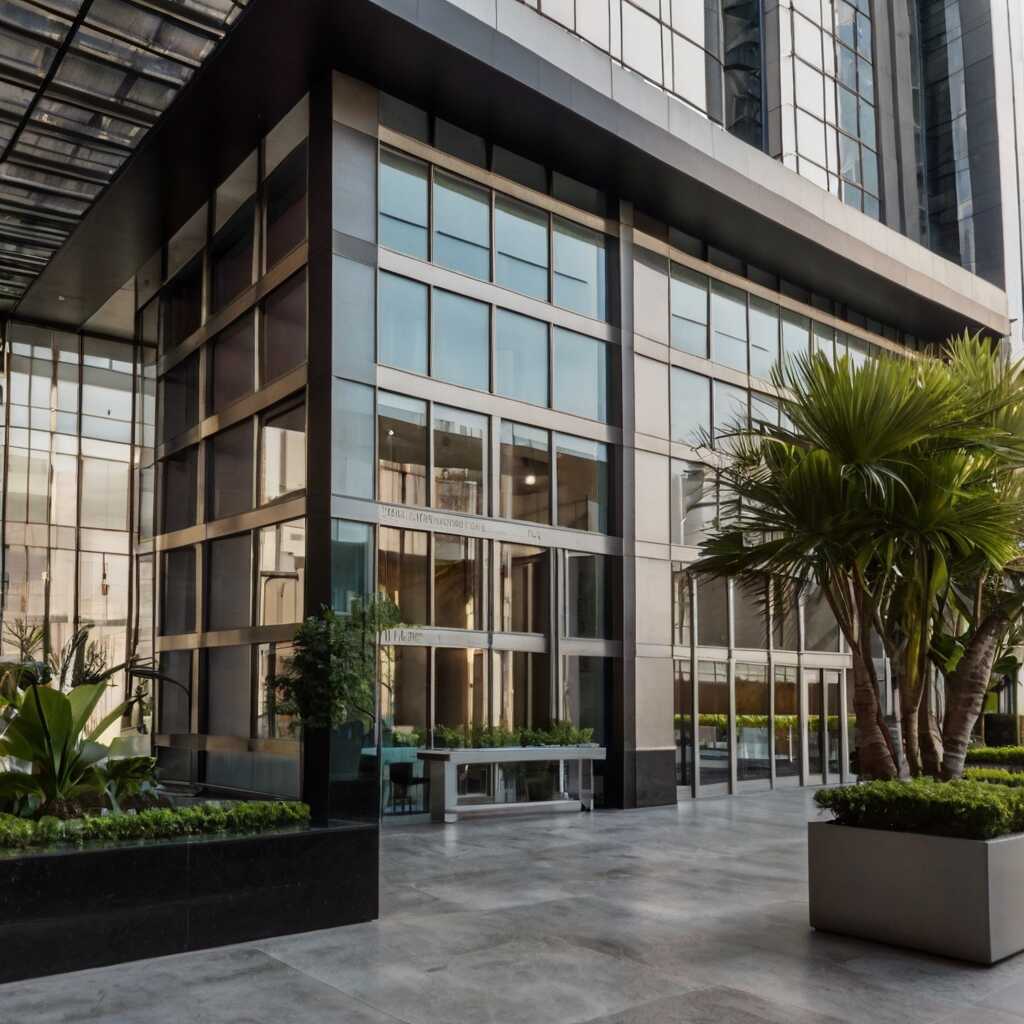
- Structured professional management and regular maintenance services.
- High-quality integrated amenities like fitness gyms and swimming pools.
- Long-term tenancy patterns are more predictable for financial planning.
- Specialized architectural designs cater specifically to modern living needs.
- Secure controlled-access environments enhance resident safety.
- Planned communities foster a stronger sense of belonging among residents.
- Professional on-site property management staff available for residents.
Legal Requirements and Compliance Standards for Developing Purpose-Built Rental Properties
Purpose-built rental developments often incorporate sustainable construction materials including recycled structural steel, reclaimed wood products, and energy-efficient building systems that reduce environmental impact. Sustainable architectural design approaches minimize construction waste, optimize energy usage throughout the building’s operational lifecycle, and incorporate renewable energy systems where feasible. Individual tenant responsibilities typically include following established guidelines for proper recycling practices, conscientious energy conservation, and participation in community sustainability programs. Eco-friendly design approaches reduce long-term operational costs via energy-efficient mechanical systems and water conservation features. They also significantly lower ongoing maintenance expenses over the property’s lifespan.
Compliance Standards and Regulatory Requirements for Rental Properties
Multiple comprehensive regulations govern purpose-built rental developments. These include specific municipal zoning laws, stringent building codes for multi-family residential structures, and accessibility requirements for modern housing developments. Industry data shows that about 75% of professional landlords comply with these regulatory requirements. This compliance helps them avoid financial penalties, maintain property values, and ensure tenant safety. All purpose-built rental developments must include mandatory safety features. These features require interconnected fire alarm systems, clearly marked emergency exits, accessible entry systems, and adequate parking facilities to ensure tenant safety and regulatory compliance. Regulatory non-compliance fines vary. Minor administrative violations typically incur fines starting at $500. Serious safety infractions can result in fines up to $5,000, depending on severity, local jurisdiction, and compliance history.
Sustainable Design Features That Enhance Purpose-Built Rental Property Value and Appeal
High-quality architectural design elements contribute to measurable tenant satisfaction in purpose-built rental communities. These elements include superior energy efficiency systems, thoughtfully integrated modern amenities, and sustainable building features. Professional property managers maintain high operational standards to ensure tenant satisfaction. They also address maintenance issues promptly using dedicated management systems and provide responsive customer service. Lifestyle amenities like fitness centers, community rooms, green spaces, and recreational facilities significantly boost tenant satisfaction and retention in purpose-built rental developments. Tenant reviews and satisfaction surveys consistently highlight the comfort, performance, and convenience of eco-friendly design features. This indicates high resident satisfaction with environmentally sustainable properties and energy-efficient building systems.
Sustainable Building Materials and Environmental Impact Reduction
Approximately 40% of construction materials in modern rental developments are sustainable. These materials include renewable natural resources such as bamboo flooring, recycled composite materials, and energy-efficient building components. Specialized rental developments often include 10 to 15 sustainable features. These features can involve energy-efficient LED lighting systems, water-saving plumbing fixtures, smart climate control systems, or renewable energy integration in residential units. Rental developments can potentially reduce their carbon footprint by up to 30% compared to conventional construction methods, creating a significant positive environmental impact over the building’s operational lifecycle. Environmentally-conscious tenants, who make up about 60% of residents, actively participate in optional green programs. This participation enhances the overall eco-friendly performance and sustainability of the residential properties.
Here are some key pros and cons of purpose-built rental properties:
Pros:
- Energy-efficient mechanical systems significantly reduce monthly utility bills for tenants.
- High tenant satisfaction measurements due to thoughtfully designed modern amenities.
- Eco-friendly architectural designs appeal specifically to environmentally conscious tenant demographics.
- Lower long-term maintenance costs for owners due to higher quality initial construction standards.
Cons:
- Higher initial construction costs compared to conventional apartment buildings.
- Strict compliance with evolving sustainability regulations required for certification.
- Potential for significant regulatory fines if not fully compliant with current safety standards.
- Ongoing maintenance of specialized sustainable building features can be technically costlier.
- Guidelines for Financing Your Purpose Built Rental Development Project
- How Purpose Built Rentals Enhance Tenant Satisfaction Rates
- Controversial Views on Purpose Built Rentals Impact on Existing Communities
- Why Purpose Built Rentals are Disrupting Traditional Housing Markets
- Statistics Showing Increased Demand for Purpose Built Rental Properties
How to Achieve Maximum Tenant Satisfaction in Purpose-Built Rental Communities
Purpose-built rental developments are influenced by emerging industry trends. These trends include sustainable building practices, advanced technology integration, and comprehensive amenity packages that offer tangible eco-friendly advantages to environmentally conscious tenants. Integrated smart technology systems enhance property management efficiency in specialized rental developments. This leads to measurably improved tenant satisfaction scores, streamlined maintenance processes, and enhanced resident communication. Market growth predictions for purpose-built rental developments remain optimistic. This optimism stems from increased investment interest from professional developers, growing demand from prospective renters, and urban population growth trends. Forward-thinking property managers plan to adapt to future market demands. They will incorporate advanced smart home features, sustainable building systems, and comprehensive amenity packages that enhance tenant convenience and living experience.
Tenant Satisfaction Metrics and Performance Data for Purpose-Built Rentals
Comprehensive surveys show that about 78% of tenants report high satisfaction with their purpose-built rentals. This reflects consistently positive residential experiences and effective property management services. Multiple measurable factors including quality amenities, convenient locations, responsive customer service, modern building features, and community programming directly contribute to these positive satisfaction measurements. Standardized industry surveys show that the average quantifiable tenant satisfaction score for purpose-built rental properties is about 8.2 out of 10. This reflects generally positive tenant experiences, detailed resident feedback, and constructive property evaluations. Published tenant reviews for purpose-built rental properties are notably positive about 82% of the time. These reviews specifically highlight lifestyle benefits, amenity quality, management responsiveness, and the overall value of these specialized residential accommodations.
How Purpose-Built Rentals Are Evolving to Meet Changing Urban Housing Needs
The future development trajectory of purpose-built rental properties shows promising growth potential with industry expectations of significantly increased market demand across major urban centers and suburban markets. Future rental developments will likely include innovative sustainable design features, integrated smart home technology systems, advanced building materials, and comprehensive amenity packages. Integrating advanced property management software, AI systems, and tenant communication technologies is predicted to fundamentally transform the operational landscape for specialized residential properties. Professional property managers must consistently focus on providing enhanced value-added resident services. They also need to offer community programming and technological convenience to meet evolving tenant expectations and market competition.
Market Growth Projections and Industry Development Trends
Market analysis for purpose-built rental developments projects approximately 15% expansion over the next five years according to comprehensive industry forecasting and investment trend analysis. Professional development companies plan to build about 500 new purpose-built rental developments nationwide. This reflects sustained growth momentum and strong investor confidence in the specialized housing sector. The projected occupancy growth rate for purpose-built rental properties is about 12% annually. This growth is mainly driven by rising consumer demand for modern, amenity-rich living spaces and increasing urban population growth. Technology upgrades are anticipated to increase substantially with each new development generation. These upgrades systematically integrate comprehensive smart home systems, advanced security features, and improved property management efficiencies through automation and artificial intelligence integration.