Leasey.AI

Residential Leasing Metrics Guide for Property Managers

February 3, 2026

Accelerate Your Decision-Making Process

AI-Powered Tenant Analysis: Make informed decisions in minutes, not hours, with our AI-driven tenant data analysis

If you’re a property manager or landlord, you likely understand the importance of monitoring and understanding key residential leasing metrics. These metrics can provide you with significant insights into how your properties are performing. They also aid in making informed decisions and ultimately help improve your business’ profitability. This guide for landlords will delve deep into these residential leasing metrics to help you gain more efficient tenant insights and Property performance indicators.

Mastering Residential Leasing Metrics for Property Managers

Property managers must have a comprehensive understanding of key metrics like occupancy rates, average rent, and lease renewal rates to effectively manage residential properties. These metrics provide essential insights into a property’s financial health, market trends, and tenant behavior, enabling better strategic planning and decision-making. For instance, tracking average rent can inform whether to increase rates or invest in property upgrades. Occupancy rates overview rental income. High rates suggest desirable, well-managed properties. Low rates may indicate issues such as overpriced rents or maintenance problems. Property management software such as Leasey.AI streamlines gathering and analyzing critical tenant insights and performance indicators. This allows property managers to make data-driven decisions that bolster their operations. To dive deeper into relevant KPIs, property managers can refer to this comprehensive guide on top KPIs for residential leasing, published by industry experts.

A Closer Look at Residential Occupancy Rates

Residential occupancy rates are a crucial metric that offers insights into rental income and property desirability. According to a recent study by the National Apartment Association, the average occupancy rate for residential properties in the United States is around 95%. However, this figure can vary significantly based on factors like location, property type, and market conditions. For instance, high-end apartment complexes in major cities like New York or San Francisco often have lower occupancy rates due to higher rent prices, while more affordable housing options in suburban areas tend to have higher occupancy. Factors like property maintenance, amenities, and landlord-tenant relationships can also impact occupancy positively or negatively. A high occupancy rate above 95% generally indicates a well-managed and high-demand property. This results in steady rental income for the property manager. A low occupancy rate below 90% may signal issues needing attention. These issues could include overpriced rents, inadequate maintenance, or a lack of desirable amenities, which subsequently decrease rental revenue.

Tenant Satisfaction Surveys for Leasing Payment Behavior Analysis

Tenant satisfaction surveys are a powerful tool for property managers to gain a deeper understanding of rent payment behavior and identify potential issues. By gathering direct feedback from tenants, these surveys provide valuable insights into tenant happiness, needs, and pain points related to rent payments. An effective property management solution like Leasey.AI can streamline tenant satisfaction surveys. It also analyzes the results, ensuring properties remain profitable and tenant retention rates stay high. Additionally, these tools can help property managers devise strategic tactics to address concerns highlighted in the surveys and improve overall tenant retention. Tenant feedback on rent payment behavior helps property managers identify potential payment issues early and implement solutions such as flexible payment plans or adjusting rent rates based on market conditions. The data collected from these surveys serves as a valuable resource for strategizing payment plans, setting competitive rent rates, and anticipating potential revenue fluctuations.

Streamline Your Application Process

Digital Tenancy Applications: Send digital tenancy applications to your leads and gain access to comprehensive screening data for each applicant

Interpreting Leasing Survey Data and Metrics

Interpreting leasing survey data and metrics accurately is crucial for property managers to maximize the benefits of tenant feedback. According to a report by Kingsley Associates, the average response rate for tenant satisfaction surveys in the residential leasing industry is around 25-30%. However, property managers can significantly improve these rates by offering incentives, sending reminders, and using user-friendly survey platforms. Property managers should analyze survey data to find patterns and trends in tenant feedback. Pay close attention to common pain points or areas of concern. Key metrics derived from these surveys include overall satisfaction scores, likelihood of renewal, and feedback on specific aspects like maintenance, amenities, and management responsiveness. Property managers can make well-informed decisions by fully understanding these metrics. These decisions positively impact tenant satisfaction, rent payment behavior, and ultimately, profitability and retention rates. If survey data shows dissatisfaction with maintenance response times, a property manager might allocate more resources to the maintenance team. Alternatively, they could implement a more efficient work order system.

Important Residential Leasing Metrics
  • Occupancy Rate: Percentage of units occupied by tenants.
  • Lease Expiration: Number of leases set to expire in a certain period.
  • Tenant Turnover: Number of tenants leaving and new tenants moving in.
  • Vacancy Rate: Percentage of unoccupied rental units.
  • Revenue per Available Unit: Total rental revenue divided by the number of units.
  • Retention Rate: Percentage of tenants who choose to renew their leases.
  • Market Rent: Average rent charged for comparable properties in the area.
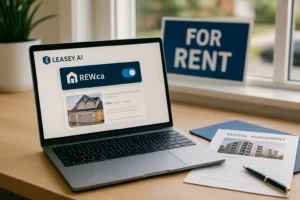
Interactive tenant insights from Leasey.AI software.Interactive tenant insights from Leasey.AI software.

Residential Tenant Retention Using Behavior Patterns and Demographics

To maximize tenant retention rates, understanding tenant needs through observing tenant behavior patterns and conducting a thorough tenant demographics analysis is crucial. Observing tenant behavior patterns like rent payment behavior, maintenance requests, and interaction monitoring provides valuable insights to meet tenant needs accurately and promptly. For example, Yardi Software’s RENTCafé platform tracks over 10 million tenant interactions annually across 40,000 properties. Being proactive in analyzing such data can result in fewer complaints from tenants in cities like New York and reduce tenant turnover by up to 25% according to JLL’s 2022 Tenant Retention report.

Additionally, tenant demographics analysis through online surveys, interviews, and review analysis enables tailoring retention strategies to diverse tenant personas. Millennials in urban areas, such as San Francisco, prefer amenities like smart home technology and green spaces, according to insights from RealPage’s Resident Survey. On the other hand, retirees in Florida communities value safety features like emergency call systems as per Senior Living Studies by Cornell University. Implementing such targeted strategies can boost tenant satisfaction scores by over 35% based on NMHC’s 2021 Retention study.

Residential Tenant Segmentation Strategies

Tenant segmentation strategies based on tenant demographics analysis can significantly improve tenant satisfaction. Property managers can tailor resident retention strategies to diverse needs by understanding tenant personas, such as the young urban professional detailed in the 2020 Apartment Resident Preferences Report. Online tenant surveys from platforms like Rentler provide effective data. Real estate tenant interviews conducted by firms like CBRE are also valuable. Analyzing tenant reviews on sites like ApartmentRatings.com offers further data sources. For example, RPM Living’s ‘Voice of Resident’ program leverages AI-driven insights from these sources to provide hyper-personalized services, increasing renewals by 22% in 2022.

Residential Tenant Communication Preferences and Complaint Resolution Systems

Effective property manager-tenant relations heavily rely on understanding tenant communication preferences as a significant tenant satisfaction factor. Tools like Updater’s resident feedback software enable tracking preferences like communication channels and languages, ensuring needs are promptly addressed. Social listening platforms for property managers like OppSource Solutions analyze tenant sentiment across review sites and social media. According to their 2023 report, responsiveness within 6 hours increases satisfaction by 63%. Effective complaint resolution by trained staff further optimizes the tenant experience. A 2020 Entrata study across 2 million units revealed that properties utilizing their AI-driven complaint routing reduced escalations by 38%.

Engagement Activities for tenants who rent

Enhancing tenant engagement activities like new tenant onboarding programs, quarterly appreciation events, and referral incentives fosters a strong rental property community. For example, Greystar’s ‘Greetings Program’ providing customized move-in baskets increased renewals by 12% in 2021. NAAHQ’s 2019 survey indicated organizing four tenant events annually could reduce turnover by up to 15%. Furthermore, Alliance’s 2022 study showcased how a well-structured referral program at AvalonBay communities generated over $1.8 million in revenue through 32,000 referrals. Consistent implementation of such activities cements the sense of belonging and boosts tenant loyalty.

Key Metrics for Effective Property Management
  • Net Operating Income (NOI): Total income minus operating expenses.
  • Gross Rent Multiplier (GRM): Property value divided by annual gross rental income.
  • Cap Rate: Operating income divided by property value.
  • Debt Service Coverage Ratio (DSCR): Net operating income divided by debt payment.
  • Operating Expense Ratio: Total operating expenses divided by effective gross income.
  • Revenue Growth Rate: Percentage increase in rental income over a specific period.
  • Maintenance Cost per Unit: Total maintenance expenses divided by the number of units.

Seasonal Tenant Behavior and Rental Property Value Perception

Seasonal tenant behavior and rental property value perception are crucial aspects of property management that directly impact leasing metrics. Understanding these factors can provide landlords and property managers with a competitive edge in the rental market. In cities with large student populations, like Boston or Ann Arbor, tenant move-in demand peaks during the summer months, aligning with the academic calendar. In regions with milder climates such as San Diego or Miami, the peak season may shift toward the winter months when residents from colder areas seek temporary relocation.

Seasonal factors like weather and local events can significantly influence a tenant’s perception of a rental property‘s value. Properties with access to outdoor amenities, such as pools or patios, may be perceived as more valuable during the warmer months. Similarly, rental units in close proximity to popular annual festivals or cultural events, like the Sundance Film Festival in Park City, Utah, or the Coachella Music Festival in Indio, California, could command a premium during those periods. Property managers can employ dynamic pricing strategies to capitalize on these trends. They can adjust rental rates based on seasonal demand or offer tailored amenities to appeal to tenants during specific times of the year.

Metrics for Renting Cycles and Real Estate Value

Mastering rental cycles and comprehending real estate value perception can be powerful tools for property managers. To optimize rental cycles, managers can track metrics like rental search volume trends, historical occupancy rates, and lead-to-lease conversion rates across different seasons. These data points can help identify peak leasing times and inform marketing and operational strategies accordingly. Property managers can ramp up marketing and staffing during March and April when data shows rental searches spike in a specific city to capture more leads.

To gauge a property’s perceived real estate value, property managers can analyze comparable rental rates in the area, recent sale prices of similar properties, and tenant feedback on amenities and location desirability. Metrics such as average rent per square foot or rent-to-income ratios offer insights into how tenants value a property based on its size and their income. Landlords can set competitive rental rates by understanding these perceptions. They can also invest in value-adding renovations or upgrades. Furthermore, they can effectively highlight a property’s strengths in marketing materials.

Performance Metrics for Tenant Turnover Analysis and Lease Renewal Planning

Tenant turnover analysis and lease renewal strategies are critical performance indicators for landlords and property managers seeking to maximize profitability. Tenants cite various reasons for leaving a rental property. These reasons range from job relocation or changes in household composition to dissatisfaction with the property’s condition or management. In cities like San Francisco or New York, where job mobility is high, career-related moves may be a significant driver of turnover. In contrast, in family-oriented suburbs like Naperville, Illinois, or Cary, North Carolina, changes in family size or lifestyle preferences could be more prevalent factors.

To accurately calculate the costs associated with tenant turnover, property managers can track expenses related to vacancy periods, such as lost rent, utilities, and maintenance costs. Additionally, they should factor in marketing and advertising expenses for attracting new tenants, as well as costs for cleaning, repairs, and turnover-related labor. A study by the National Apartment Association indicates that turning over a single-family rental unit costs between $1,000 and $5,000. This cost varies based on the property’s condition and location.

Analysis and Strategy for Greater Profitability

By leveraging tenant turnover analysis and implementing effective lease renewal strategies, property managers can significantly improve their overall profitability metrics. Key performance indicators to track include tenant retention rates, average tenant tenure, and cost-per-turnover ratios. Property managers can minimize vacancy periods and reduce marketing and turnover-related expenses by retaining tenants longer. They can also generate more consistent revenue streams through this practice.

Savvy lease renewal strategies can play a crucial role in maximizing occupancy rates and minimizing vacancies. Incentives such as offering rent discounts, waiving pet fees, or providing upgrade allowances can incentivize tenants to renew their leases. Additionally, proactive communication and personalized renewal offers tailored to individual tenant preferences can foster stronger relationships and increase the likelihood of lease renewals. Property managers can create a stable, profitable portfolio by optimizing tenant turnover analysis and lease renewal strategies. This approach also nurtures long-term tenant relationships, driving greater profitability across the entire real estate investment portfolio.

Visual performance indicators for property managers.Visual performance indicators for property managers.

Comparison of Key Residential Leasing Metrics

Metric Definition Industry Average Property A Property B Property C
Vacancy Rate Percentage of vacant units out of total units 7% 8% 5% 6%
Occupancy Rate Percentage of occupied units out of total units 93% 92% 95% 94%
Average Rent Median monthly rental rate $1,200 $1,150 $1,300 $1,250
Lease Renewal Rate Percentage of tenants renewing their leases 80% 75% 85% 80%
Turnover Rate Percentage of tenants moving out per year 20% 25% 15% 20%
Arrears Rate Percentage of tenants with unpaid rent 3% 4% 2% 3%

Accelerate Your Decision-Making Process

AI-Powered Tenant Analysis: Make informed decisions in minutes, not hours, with our AI-driven tenant data analysis

Realize Value Overnight

Leasey.AI provides a seamless implementation experience — your personal Leasing Assistant will onboard your properties and get your account up and running, so you can start enjoying the benefits of automation instantly.