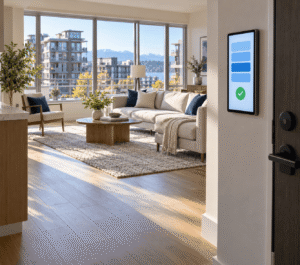
Ensure Compliance with Ease
Automated Compliance Checks: Reduce the risk of non-compliance and associated penalties with our automated processes
Tenant retention is a critical strategy facilitated by leveraging property management systems. Utilizing the latest software solutions can significantly enhance resident stability and reduce turnover rates. Companies like Leasey.AI offer innovative management tools for rentals that are vital for improving tenant longevity. These digital aids offer a robust platform for communication, maintenance tracking, and tenant engagement. This engagement is pivotal for keeping residents satisfied and renewing their leases.
Enhancing tenant satisfaction is a key component of retention, and tech solutions serve as a conduit to this goal. Strategic use of these systems allows property managers to swiftly address concerns, demonstrating responsiveness and care for resident welfare. Surveys show that 80% of tenants prioritize efficient issue resolution when considering lease renewal.
Enhancing Tenant Satisfaction with Technology Solutions
To bolster tenant satisfaction, property management software delivers a variety of tech solutions. These intuitive systems simplify reporting maintenance issues, streamline rent payments, and provide a user-friendly interface for tenant interactions. A 2021 survey revealed that 75% of renters value simple online payment options as a top amenity. By offering digital communication channels, management can ensure immediate acknowledgment of tenant queries. Rapid engagement fosters a sense of community and shows residents their concerns are a priority. This contributes to higher satisfaction and retention rates.Maximize Rent Collection Efficiency
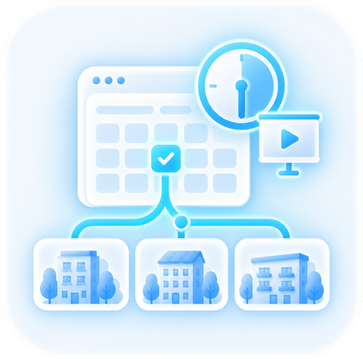
Automated Rent Collection and Reminders: Simplify your rent collection process with automated invoicing, payment processing, and tenant remindersHow Digital Communication Tools Positively Impact Tenant Retention
Digital communication tools, embedded in property management platforms, enable instantaneous interaction between tenants and managers. This immediacy leads to quicker issue resolution. This increased resolution likelihood is reported to boost lease renewals by 60%, directly impacting retention.Key Features of Property Management Tools
When examining property management tools, certain key features stand out in their ability to aid retention strategies. Automated reminders for lease renewals and maintenance schedules are essential in ensuring continuous engagement and minimizing potential frustrations. In 2022, industry reports indicated that properties with automated renewal notifications saw a 10% increase in retention. Additionally, these tools often provide robust analytics that help in understanding tenant behaviors and preferences. By evaluating this data, property managers can tailor services and amenities to better meet resident needs, leading to a 20% improvement in tenant satisfaction scores.What Role Does Data Analytics Play in Customizing Tenant Experiences for Maximizing Retention
analytics gathered by property management software in the United states enable a deeper insight into tenant habits and demands. Properties using data-driven customization strategies have seen a 25% rise in retention. Managers can personalize experiences and adjust operations to better appeal to resident preferences.
Enhancing Occupant Loyalty with Digital Tools
- Send out regular satisfaction surveys
- Accelerate maintenance requests using software
- Streamline rent payments online
- Property management platforms ease communication
- Host community events through a resident portal
- Update lessees on building news electronically
- Offer rewards programs for timely rent payments
Property management software dashboard
Detailed Comparison of Tenant Retention Strategies Enhanced by Features of Property Management Software
| Strategy | Feature | Benefit | Retention Rate Increase | User Satisfaction | Cost Effectiveness |
|---|---|---|---|---|---|
| Automated Communication | Messaging System | Timely Updates | 12% | High | Very High |
| Online Payment Options | E-Payment Integration | Convenience | 15% | Very High | Moderate |
| Maintenance Requests | Work Order Management | Efficiency | 9% | High | High |
| Lease Renewal Workflow | Lease Management | Streamlined Process | 8% | Medium | High |
| Community Engagement | Event Planning Tools | Social Interaction | 10% | High | Low |
| Feedback Collection | Survey Feature | Insightful Data | 14% | Medium | High |
Communication Channels for Retaining Tenants
Effective communication channels are essential for tenant retention in property management. In 2021, studies highlighted that tenants value prompt and clear communication from their landlords. Property management software now includes various tools for improving tenant-landlord communications, like in-app messaging and automated notifications. These innovations enhance the guest experience by providing immediate answers to frequently asked questions. Faster responses improve tenant satisfaction, a key driver of retention according to a National Apartment Association report.What are the benefits of using an all-inclusive tenant portal for communication
Tenant portals offer a centralized communication hub within property management software, streamlining interactions and ensuring that important messages don’t get lost. These services cover all property types, including residential units and mixed-use developments. They ensure consistent engagement with rental property occupants, which is essential for maintaining stable rental income.How Software Streamlines Maintenance Requests
Real estate software integration delivers a fast track for tenants to report property maintenance issues. Data from 2022 suggests that quick resolution of maintenance requests leads to higher rates of lease renewals. Using cloud-based solutions for handling property maintenance, landlords can assign tasks to service providers instantly, and effectively tackle difficult tenants’ complaints. For recommendations on property maintenance tips and strategies, professionals often turn to the Institute of Real Estate Management’s resources.Can Automation Enhance the Efficiency of Handling Repair Requests
Automated property management systems deploy machine learning algorithms to anticipate and schedule predictive maintenance, potentially reducing the frequency of emergency repairs. A 2023 study showed that automation reduces costs in property management operations. This helps maintain tenant satisfaction and contributes to the longevity of rental properties.
Boosting Resident Continuity with High-Tech Amenities
- Provide Wi-Fi or tech upgrades as incentives
- Software helps track lease renewals efficiently
- Enable easy online service requests
- Use data analytics for improving living conditions
- Facilitate a suggestion box feature online
- Implement virtual tours for future amenities
- Share success stories of resolved issues
Tenant satisfaction survey results
Similar posts:
- Tenant Retention Strategies Using Property Management Software
- Impact of Economic Changes on Property Management
- Property Management Software for Mixed-use Developments
- Historical Data Analysis and Trend Prediction in Property Management
- Custom Reporting Tools for Property Owners and Investors
- Integration with Real Estate Marketplaces
- Software Solutions for Property Tax Management