Ensure Compliance with Ease
Automated Compliance Checks: Reduce the risk of non-compliance and associated penalties with our automated processes
Technology-driven tenant placement uses AI matching algorithms, automated screening systems, and digital lease platforms to connect qualified tenants with rental properties. These tools reduce placement time, minimize vacancy periods, and improve match accuracy through data analysis and streamlined workflows.
Key Points About Technology in Tenant Placement
- AI matching systems analyze tenant qualifications, property requirements, and historical data to suggest compatible matches between renters and available units.
- Automated screening tools verify employment, credit history, and rental references faster than manual processes, helping property managers evaluate applications efficiently.
- Digital lease signing eliminates paper documents and allows tenants to review and sign agreements remotely, reducing the time between application approval and move-in.
- Online tenant portals in the United States provide secure access to lease documents, payment history, and maintenance request systems.
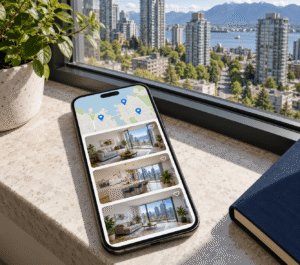
- Virtual property tours allow prospective tenants to view properties remotely, expanding the applicant pool beyond local geographic areas.
- Integrated platforms synchronize marketing, screening, and placement workflows, which helps address vacancy concerns by reducing gaps between tenants.
- Data analytics track placement outcomes to identify patterns that lead to successful long-term tenancies and help property managers refine their selection criteria.
- Implementation challenges include cybersecurity risks, technology access barriers for some demographics, and training requirements for property management staff.
How Technology-Driven Tenant Placement Systems Work for Property Managers
Digital tenant placement platforms integrate multiple tools into unified workflows. Property managers enter property specifications and tenant requirements into the system. The platform uses algorithms to match applications with suitable properties based on criteria like income verification, credit scores, rental history, and property preferences. These systems automate tasks that traditionally required manual processing. Applications flow through screening, verification, and approval stages with minimal human intervention. Automated notifications keep applicants informed of their status, while property managers receive alerts when qualified candidates require review. The technology learns from placement outcomes over time. Systems analyze which matches result in longer tenancies and fewer issues, then adjust their algorithms to prioritize similar factors in future placements. This continuous improvement helps property managers refine their tenant selection process.AI Matching Technology in Tenant Placement
AI matching systems evaluate applications against property requirements using predetermined criteria. These algorithms compare tenant qualifications – including income, employment stability, credit history, and rental references – with property specifications and landlord preferences. The system ranks applications based on compatibility scores. Machine learning components identify patterns in successful placements. The system weighs factors more heavily in future matches if tenants with specific employment types or credit profiles consistently maintain longer tenancies at certain properties. This pattern recognition improves matching accuracy as the system processes more data. Property managers can adjust matching parameters based on their priorities. They may emphasize income-to-rent ratios for some properties while prioritizing rental history for others. The flexibility allows managers to tailor the matching process to specific property types and tenant markets. Systems track tenant outcomes after placement to measure matching effectiveness. Metrics include lease completion rates, on-time rent payments, and renewal rates. This feedback loop helps property managers understand which tenant characteristics correlate with successful tenancies.Tracking Placement Performance
Performance tracking monitors metrics throughout the placement process. Key indicators include application-to-placement ratios, average time to fill vacancies, and tenant retention rates. Property managers use this data to identify bottlenecks in their placement workflow. Systems generate reports showing which screening criteria produce the most successful placements. Managers can compare outcomes across different property types, neighborhoods, and tenant segments. This analysis helps refine placement strategies and improve efficiency over time.Centralize Your Entire Leasing Process
All-in-One Leasing Platform: Manage everything from listing syndication to signed leases in one seamless platformDigital Lease Signing and Online Tenant Portals in Technology-Driven Placement Systems
Digital lease signing platforms allow tenants to review, sign, and submit lease agreements electronically. These systems replace paper documents with digital versions that include electronic signature fields. Tenants access the documents through secure links, review the terms, and sign using their computer or mobile device. The technology verifies signer identity through email confirmation and authentication methods. Once all parties sign, the system generates a legally binding document and distributes copies to the tenant and property manager. This process eliminates the need for in-person meetings or physical document exchange. Online tenant portals serve as centralized hubs for lease-related information. Tenants access lease agreements, payment records, property documents, and maintenance request forms through a single interface. Property managers use the same portal to communicate with tenants, update documents, and track interactions. Security measures protect sensitive information in these systems. Encryption safeguards document transmission and storage. Access controls ensure only authorized parties view specific documents. Audit trails record all actions taken within the system for compliance and dispute resolution purposes.Reducing Vacancy Periods Through Integrated Technology
Integrated platforms connect marketing, screening, and placement functions. When a vacancy occurs, the system automatically updates listings across multiple platforms. Interested applicants submit information through online forms, triggering automated screening processes. Simultaneous processing of applications reduces idle time in the placement workflow. While one applicant undergoes credit checks, another completes employment verification. The system manages multiple application streams concurrently, identifying qualified candidates faster than sequential manual processing.
Benefits of Technology in Tenant Placement
- Processes applications faster by automating verification steps that traditionally required manual review.
- Expands applicant reach by listing properties on multiple platforms simultaneously and accepting applications online.
- Applies consistent screening criteria to all applicants, reducing subjective decision-making in the evaluation process.
- Maintains communication through automated notifications that update applicants on their status throughout the process.
- Verifies applicant information through connections to credit bureaus, employment databases, and reference systems.
- Updates property availability in real time across listing platforms when units become vacant or occupied.
- Organizes applicant information in digital profiles that property managers can review and compare efficiently.
A screenshot of Leasey.AI tenant placement feature.
Automated Tenant Screening Technology in Modern Placement Services
Automated screening systems verify applicant information through connections to third-party databases. When an applicant submits an application, the system retrieves credit reports, criminal background checks, and eviction records. Employment and income verification occurs through payroll databases or direct employer contact, depending on the system’s capabilities. Property managers establish screening criteria before reviewing applications. They set minimum credit scores, income requirements, and acceptable background check results. The system automatically flags applications that meet or fail these criteria, allowing managers to focus their review on qualified candidates. Reference verification tools contact previous landlords through automated systems. Some platforms send standardized questionnaires to references, compiling responses into summary reports. This automation standardizes reference checks and reduces the time property managers spend making phone calls. Property managers view technology integration as key to operational efficiency, according to the 2019 Industry Report by Buildium, but adoption rates differ based on company size and resources.Digital Onboarding for New Tenants
Digital onboarding systems guide new tenants through post-approval tasks. After application approval, the platform sends lease documents for electronic signature, collects security deposits through integrated payment processing, and schedules move-in inspections. Automated checklists ensure all required steps complete before the tenant receives keys. Property managers activate onboarding workflows immediately after approving applications. Delays between approval and onboarding can result in applicants accepting other offers. Automated systems maintain momentum by prompting tenants to complete each step promptly. Integration with property management software transfers tenant information from the application system to the property database. This connection eliminates manual data entry and ensures lease terms, contact information, and payment details transfer accurately into the management system.Virtual Property Tours and Listing Management in Tenant Placement Platforms
Virtual tour technology creates digital walkthroughs of rental properties. Property managers photograph or video each room, then compile the media into interactive presentations. Prospective tenants view these tours online, navigating through the property at their own pace. These tours expand the geographic range of potential applicants. Tenants relocating from other cities or states can evaluate properties without traveling for in-person viewings. This accessibility increases the number of qualified applicants who view each property. Scheduling systems integrated with virtual tours allow prospective tenants to book viewing appointments directly through the listing platform. Automated confirmations and reminders reduce scheduling conflicts and missed appointments. Property managers receive notifications of upcoming tours and can prepare properties accordingly. A study by the National Association of Realtors found that buyers found virtual tours useful in property selection. Specific preferences, however, vary by demographic and market conditions.Automated Payment Collection Systems
Automated rent collection platforms process monthly payments through electronic transfers. Tenants authorize recurring payments from their bank accounts or credit cards. The system initiates transactions on scheduled dates and records payments in the property management database. Payment reminders notify tenants before rent due dates. If payments fail due to insufficient funds or expired cards, the system alerts both the tenant and property manager. This automated monitoring reduces late payments and helps property managers address payment issues quickly.
Implementation Challenges in Technology-Driven Placement
- Cybersecurity risks require ongoing investment in security measures to protect tenant data from breaches and unauthorized access.
- Limited technology access or digital literacy among some tenant demographics may exclude qualified applicants who cannot navigate online systems.
- Staff training requirements add implementation time and costs, particularly for property managers unfamiliar with digital workflows.
- Automated screening systems may not account for unique circumstances that affect tenant suitability beyond standard qualification metrics.
- Initial technology costs can be substantial, especially for smaller property management operations with limited budgets.
- Technical failures or system outages can temporarily disrupt the placement process, requiring backup procedures to maintain operations.
- Standardized digital systems may limit personalization in tenant interactions, reducing the human touch in the rental process.
Using Technology to Improve Tenant Retention After Placement
Retention technology monitors tenant satisfaction and addresses issues before they lead to move-outs. Automated survey systems collect feedback on property conditions, maintenance response times, and overall satisfaction. Property managers review this feedback to identify problems requiring attention. Maintenance management platforms allow tenants to submit repair requests through online portals. The system routes requests to appropriate maintenance staff, tracks completion status, and notifies tenants when work finishes. This organized approach to maintenance improves response times and tenant satisfaction. Communication portals centralize interactions between property managers and tenants. Lease renewal notices, policy updates, and general announcements distribute through the platform. Tenants receive notifications of new messages and can respond directly through the system, creating documented records of all communications. Lease renewal automation sends renewal offers before current leases expire. The system tracks lease end dates and triggers renewal workflows at predetermined intervals. This proactive approach reduces unplanned vacancies caused by tenants who intended to renew but missed deadlines.Implementing Technology in Property Management Operations
Successful technology implementation requires training property management staff on new systems. Training should cover system navigation, troubleshooting common issues, and best practices for using each feature. Ongoing support helps staff adapt as platforms add new capabilities. Data analysis tools within these platforms help property managers evaluate their operations. Metrics such as average vacancy duration, applicant conversion rates, and tenant retention percentages reveal performance trends. Managers use this information to adjust their strategies and improve outcomes. Integration with existing property management software ensures continuity in operations. Data should flow between tenant placement systems and accounting, maintenance, and rent pricing tools without manual transfers. This connectivity reduces errors and maintains consistent information across all management functions.Key Platform Features That Support Automated Tenant Placement
Comprehensive tenant placement platforms combine multiple functions into single systems. Marketing tools distribute listings across rental websites automatically. Screening features process applications and verify applicant information. Communication tools manage interactions with prospective tenants throughout the placement process. Marketing automation updates listing information across connected platforms simultaneously. When property managers adjust rent prices, update availability, or modify property descriptions, the changes propagate to all listing sites. This synchronization ensures consistent information and reduces duplicate work. Analytics within these platforms track which marketing channels generate qualified applicants. Property managers see how many applications each listing site produces, which properties attract the most interest, and where qualified tenants discover their listings. This data helps managers allocate marketing resources effectively. Compatibility with existing property management software allows these systems to integrate into established workflows. Application data, lease terms, and tenant information transfer between systems without manual entry. This integration maintains operational continuity during technology adoption.Operational Benefits of Digital Placement Systems
Technology-driven placement systems reduce time spent on administrative tasks. Automated screening, digital document management, and electronic communication eliminate paperwork and manual coordination. Property management staff can focus on tenant relationships and strategic decisions rather than routine processing. Cost savings result from improved efficiency and reduced vacancy periods. Fewer staff hours spent on manual tasks lower labor costs. Faster placement of tenants minimizes lost rental income during vacancies. These savings accumulate over time as property managers process more placements through efficient digital workflows. Tenant satisfaction often improves with streamlined digital processes. Faster application processing, clear communication through portals, and convenient online lease signing create positive experiences for new tenants. Satisfied tenants are more likely to complete their leases and renew, reducing turnover costs for property managers.An example of automated tenant matching in action.
Technology Comparison in Tenant Placement
| Technology | Primary Function | Implementation Considerations | Common Applications |
|---|---|---|---|
| Virtual Tours | Remote property viewing through photos and videos | Requires initial setup costs for photography and platform integration | Used by property managers to expand applicant reach beyond local markets |
| Automated Screening | Verifies applicant information through database connections | May require adjustment to ensure screening criteria comply with fair housing requirements | Adopted by property management companies to process applications faster |
| Online Applications | Collects applicant information through digital forms | Requires verification processes to confirm document authenticity | Used by landlords and property managers of various sizes to streamline application intake |
| Data Analytics | Tracks placement metrics and identifies performance patterns | Must comply with data privacy regulations and implement security measures | Used by property management firms to refine placement strategies based on historical outcomes |
| Digital Lease Signing | Enables electronic review and signature of lease agreements | Requires secure platforms that create legally binding documents | Used to reduce time between application approval and tenant move-in |
| Communication Portals | Centralizes messaging between property managers and applicants | May require staff training to manage communication workflows effectively | Used by property managers to maintain organized records of tenant interactions |