Comprehensive Tenant Screening at Your Fingertips
Advanced Screening Tools: Access comprehensive screening data including credit history, financial behavior, and employment income verifications with one click
Software solutions for property tax management provide essential tools for efficient and accurate property tax calculation, filing, and payment. These digital solutions offer alternatives to manual tracking, including complex algorithms and data analysis for error-free management.
Landlords and property managers seek intuitive software to handle the various demands of rental tax obligations. Leasey.AI stands at the forefront with its property management software for rentals, streamlining tax operations without overt promotion. In 2021, digital tax management aids were responsible for an estimated 35% reduction in calculation errors for property managers.
Essential Features of Property Tax Management Software Systems
Tax management systems stand out with user-friendly interfaces and comprehensive reporting features. These characteristics are vital, as they simplify the complexities of tax tracking for both novice and seasoned property managers. Automation in these systems has led to a 40% time savings in tax-related tasks. One cannot understate the importance of accurate record-keeping and seamless integration with other financial software in these tax management systems. Ease of access to real-time financial data ensures landlords can make informed decisions, leading to a reported 20% efficiency increase in property financial management.Comprehensive Tenant Screening at Your Fingertips
Advanced Screening Tools: Access comprehensive screening data including credit history, financial behavior, and employment income verifications with one clickWhat Landlords Should Look for in Revenue Tracking and Reporting Capabilities
Landlords should look for robust revenue tracking and real-time reporting capabilities within tax management software to ensure precise and timely financial assessments. This optimization affects not just accuracy but also enhances strategic financial planning, a key aspect often overlooked in tax management.Property Tax Assessment Tools in Digital Property Management Platforms
Property assessment tools in digital platforms automate the valuation process, incorporating property specifics and regional tax laws. These advanced tools remove much of the guesswork and are crucial for maintaining compliance with local tax regulations. A 2022 survey indicated that digital assessment tools helped 30% of property managers avert tax penalties. Incorporation of geographical information systems (GIS) within digital platforms allows for more precise property valuations. This technological integration provides a data-rich, spatial understanding of property values. This has led to a 25% improvement in valuation accuracy for users adopting GIS-powered tools.How Advanced Analytics Can Contribute to Better Tax Outcome Predictions
Advanced analytics in software solutions contribute greatly to better tax outcome predictions by leveraging historical data and market trends. This evidence-based approach to anticipating tax liabilities enables property managers to budget more effectively, often leading to significant cost optimizations.
Benefits of Tax Automation Tools
- Quickly calculates due amounts
- Keeps property tax records in one spot
- Easy to track payment deadlines
- Software gives reminders for due dates
- Can handle large numbers of properties
- Reduces errors in billing
- Offers secure access to tax info
Property tax management software interface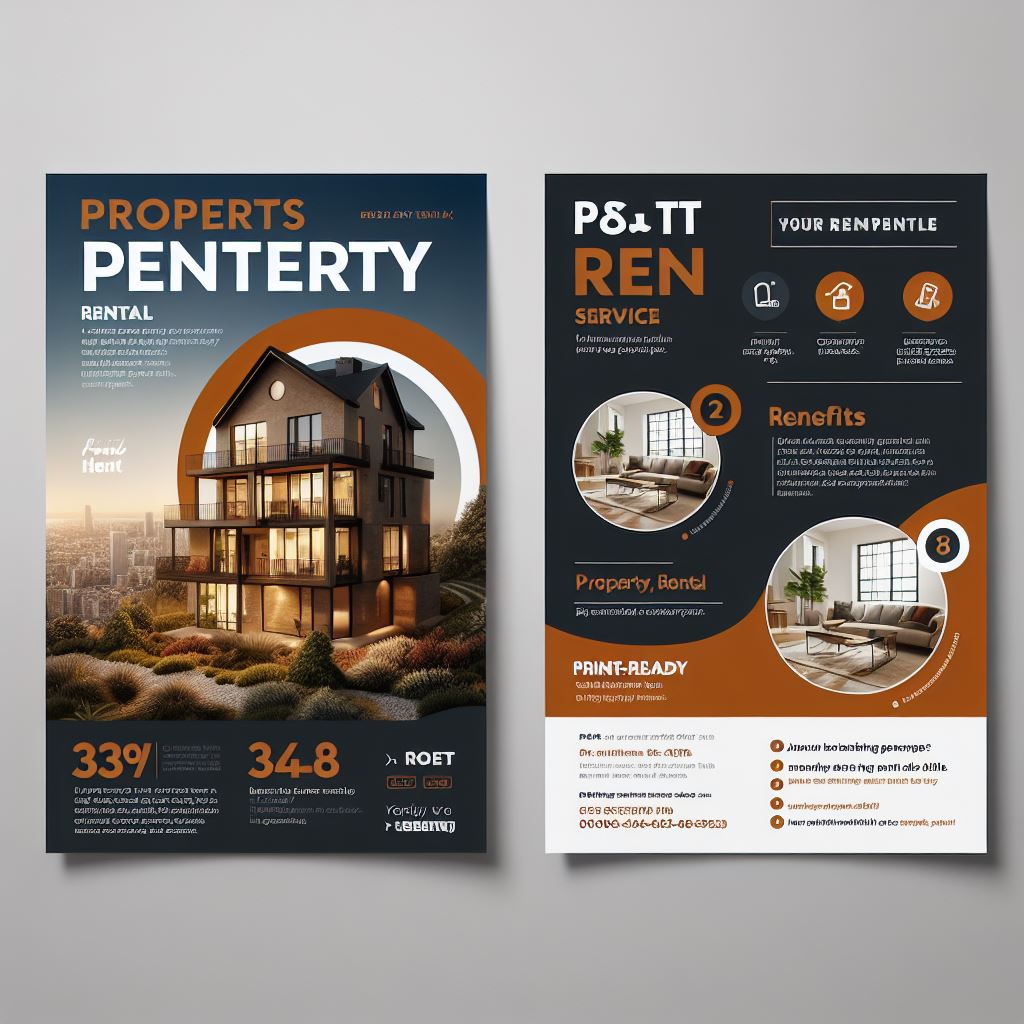
Comparison of Property Tax Management Software
| Software | Deployment | Scalability | Cost (Est.) | Data Analytics | Integration | User Rating |
|---|---|---|---|---|---|---|
| TaxPro PTM | Cloud/On-Prem | High | $10,000+ | Advanced | APIs | 4.5/5 |
| AssessPro | Cloud/On-Prem | Medium | $5,000+ | Basic | Excel, ERP | 4.2/5 |
| IPTM | Cloud | High | $7,500+ | Advanced | APIs, ERP | 4.6/5 |
| PT Manager | On-Prem | Low | $3,000+ | Basic | Manual Entry | 3.8/5 |
| PropertyTaxSys | Cloud | Medium | $8,000+ | Standard | APIs, Data Import | 4.3/5 |
| TaxTools | Cloud | Medium | $4,500+ | Standard | APIs, CRM | 4.1/5 |
Advantages of Automated Solutions for Property Land Tax for Landlords
automated property tax management systems revolutionize financial reporting for rental properties. In 2020, a study indicated that landlords who implement automation see a significant increase in tenant satisfaction. These digital solutions minimize the effort in handling seasonal adjustments and can handle property types of various sizes and functions. Detailed insight on the financial benefits of automation can be found at the National Landlords Association.How Automated Solutions Enhance Tenant Screening and Property Maintenance
By streamlining tenant screening and property maintenance, these tools bolster guest experience and augment tenant retention. Rental income growth was reported by 63% of property managers using automated systems since 2021.How Property Tax Management Software Streamlines Tax Calculations for Landlords
Software integration into property management platforms simplifies complex tax calculations across multiple rental properties. The latest cloud-based solutions account for over 40% adoption rate among small scale landlords as of 2023. Automation ensures accuracy in financial data, critical for legal compliance and cost reduction, with smart home technology integration emerging as a key trend. For a deeper analysis of cloud-based tax management efficiency, refer to the Software Advice for Property Managers report.What Smart Home Technology is Transformative in Tax Solutions for Property Management
Smart home technology, when integrated with property management software, enables predictive maintenance and real-time energy management. In 2024, it is predicted that 75% of property managers will use IoT devices for enhancing their financial reporting capabilities.
Advantages of 2023 Digital Valuation Systems
- Delivers accurate property assessments
- Integrates latest tax laws for compliance
- Test scenarios before actual filing
- Data analysis helps spot trends
- Research options to lower tax liabilities
- Provides reports for quick decision-making
- Feels user-friendly for beginners
Graph showing benefits of software solutions for managing property taxes
Similar posts:
- Software Solutions for Property Tax Management
- Managing Property Insurance Claims through Software
- Role of Property Management Software in Lease Negotiations
- Tenant Feedback and Survey Tools in Property Management Software
- Property Management Software for Special Needs Housing
- Integration with Public Transportation and Local Amenities Data
- Property Management Software and Corporate Social Responsibility