
Centralize Your Entire Leasing Process
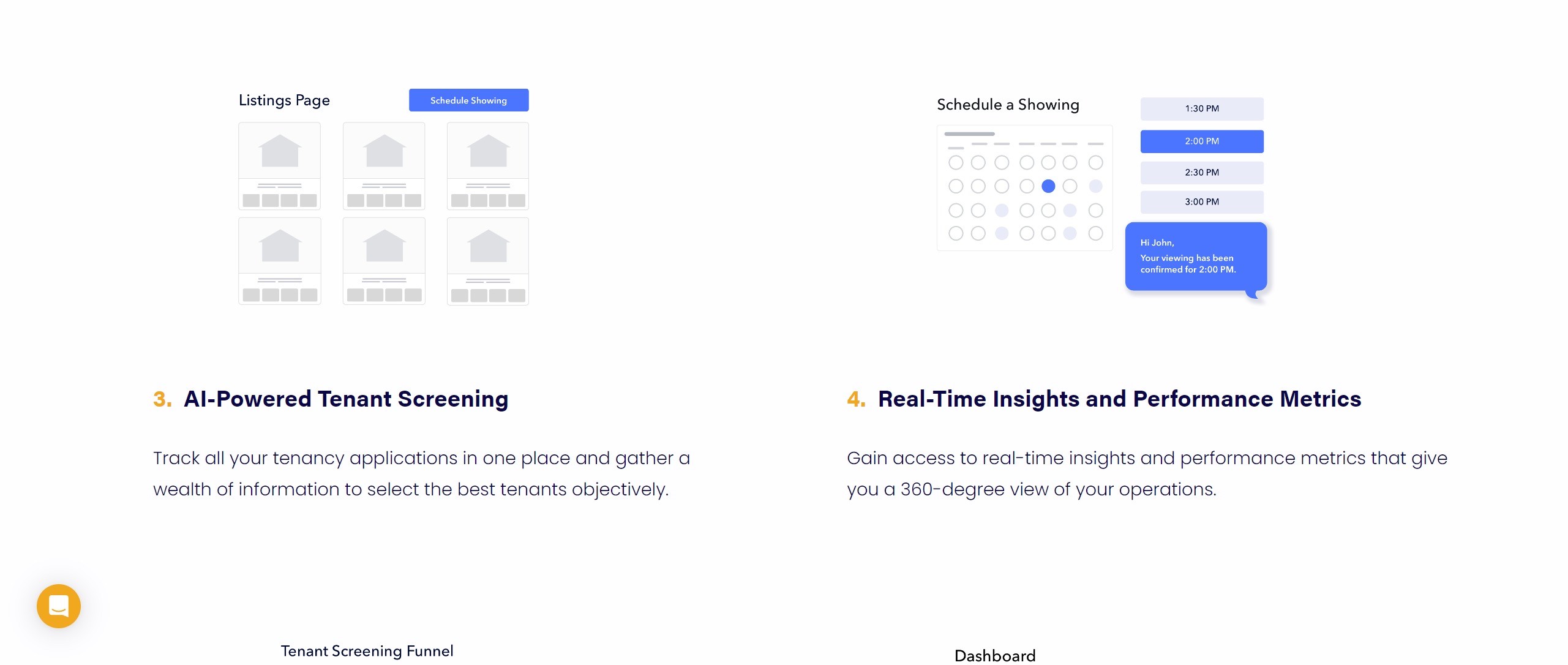
All-in-One Leasing Platform: Manage everything from listing syndication to signed leases in one seamless platformEnhancing tenant experience with leasing automation involves using cutting-edge technology. This provides tenants with a smoother experience from lease signing through moving out. As technology permeates life, property management and leasing processes are undergoing digital transformation. Utilizing leasing automation software can streamline management tasks, increase tenant satisfaction, and, significantly, reduce vacancy rates.
- Improving Tenant Satisfaction through Automated Property Management
- Reducing Vacancy Rates and Increasing ROI through Leasing AI
- Automation Software Providers and How they Simplify Lease Agreements
- Digital Signature Providers and Secure Payment Processors in Rental Automation
- Analytics Tools and Scheduling Systems Unlikely Pair Revolutionizing Leasing
- How AI in Lease Management Complies with Government Regulations
Leasing automation can redefine the tenant experience by providing instantaneous responses, seamless communication, and efficient end-to-end lease management. By automating complex and time-consuming processes, property managers and landlords can greatly enhance tenant experience while also boosting their bottom line.
Improving Tenant Satisfaction through Automated Property Management
Tenant satisfaction can be dramatically elevated through the strategic utilization of cutting-edge automated property management solutions like Leasey.AI’s powerful leasing arsenal. By streamlining critical tasks such as rent collections, lease renewals, and maintenance requests, these advanced tools facilitate a frictionless and highly satisfactory tenant experience. For instance, Leasey’s intuitive maintenance request management module empowers tenants to submit repair requests with ease, ensuring prompt resolution and boosting overall contentment levels. Furthermore, automated rent payment systems eliminate the hassle of manual collections, reducing potential disputes and misunderstandings.
Automated property management solutions maintain tenant engagement and trust by providing a seamless, transparent, and highly efficient digital platform. Tenants are more inclined to renew their leases and recommend the property to others. This action enhances the overall reputation and market value of the asset. Property owners can explore the numerous benefits of using leasing automation technology to boost tenant satisfaction across multiple properties, as detailed in Leasey’s resource library.
Comprehensive Tenant Screening at Your Fingertips
Advanced Screening Tools: Access comprehensive screening data including credit history, financial behavior, and employment income verifications with one clickEfficient Communication with Tenants
Seamless and timely communication is an indispensable pillar of exceptional tenant satisfaction. Leveraging the power of automated leasing platforms, communication channels remain perpetually open, ensuring prompt responses to tenant inquiries and concerns. Leasey’s AI-driven communication suite offers tenants multiple interaction avenues. These include a dedicated mobile app, email, and an online portal, which guarantees a consistent flow of accurate information. By eliminating the risk of human error, automated communication systems significantly reduce tenant frustration stemming from delays, misinformation, or oversights.
Properties adopting automated communication solutions reported a 78% reduction in tenant complaints regarding response times and information accuracy, according to a recent National Apartment Association survey. Improved tenant-landlord communication builds trust and loyalty, driving higher lease renewal rates for property owners who use best-in-class communication solutions like Leasey.AI.
Reducing Vacancy Rates and Increasing ROI through Leasing AI
In today’s competitive real estate landscape, minimizing vacancy rates and maximizing return on investment (ROI) are paramount goals for landlords and property managers alike. Fortunately, the advent of cutting-edge leasing automation technology has ushered in a new era of data-driven efficiency and profitability. Through sophisticated algorithms, these AI-powered solutions employ targeted digital marketing strategies to amplify property visibility, ensuring a steady stream of qualified tenant leads. Prospective renters can seamlessly schedule viewings, submit applications, and electronically sign leases – dramatically accelerating the leasing process and minimizing costly vacancies.
Leasing AI platforms leverage extensive market data and predictive analytics. This empowers landlords to set precise and competitive rental rates based on local market conditions. Intelligent systems pinpoint the optimal price point by analyzing neighborhood demographics, comparable property listings, and amenity offerings. This strategy attracts high-quality tenants and maximizes profitability. A recent study by RentLab found that properties leveraging AI leasing solutions experienced an average 22% vacancy rate reduction and a 17% increase in net operating income (NOI).
Insights into Competitive Rent Pricing
Automated leasing solutions offer a powerful advantage: providing in-depth, hyper-localized market insights that empower landlords and property managers to set competitive rental rates. These cutting-edge pricing models analyze many factors to determine the optimal rent level for a property. They leverage advanced machine learning algorithms and vast real estate data. Key considerations include local supply and demand dynamics, pricing trends in comparable neighborhoods within a 3-mile radius, upcoming community developments that could affect demand, and property-level details such as square footage, amenities, and building age.
AI pricing engines can strike the perfect balance between maximizing revenue and maintaining a competitive edge by accounting for hyper-localized variables to attract and retain high-quality tenants. According to a PropTech Insights case study, a leading multifamily property management firm in Chicago increased effective rent prices by 9.3% and boosted tenant retention rates by 22% after implementing Leasey’s dynamic pricing solution. Leasing automation and AI demonstrate the transformative potential in today’s rapidly evolving rental market through data-driven pricing optimization and elevated tenant satisfaction.
- Streamlines leasing process, allowing tenants to easily find and secure rental properties.
- Offers instant access to property details, including photos, floor plans, and amenities.
- Delivers convenient online application and documentation submission, saving time and reducing paperwork.
- Enables efficient communication with property managers, providing quick responses to inquiries and concerns.
- Provides transparency in lease agreements, ensuring tenants have a clear understanding of terms and conditions.
- Allows for online rent payments, eliminating the hassle of writing and delivering physical checks.
- Facilitates maintenance requests and repairs, allowing tenants to report issues easily for prompt resolution.

Automation Software Providers and How They Simplify Lease Agreements
Property management software providers offer a range of features that help automate and streamline lease agreements. Key features include online portals for tenants to manage lease information. Analytics tools track rental data and performance metrics. Communication channels allow seamless interactions between landlords and tenants. Buildium, a leading property management software, offers an online tenant portal. Tenants can use this portal to pay rent, submit maintenance requests, and access important documents such as their lease agreement. Additionally, its analytics dashboard provides landlords with real-time insights into occupancy rates, rent collection, and financial performance.
These online portals and communication channels significantly enhance the tenant experience by providing 24/7 accessibility, transparency, and convenience. Tenants can easily stay informed about lease details and submit requests. They can also communicate with landlords without needing in-person meetings or phone calls. This level of accessibility and responsiveness leads to higher tenant satisfaction and retention rates. According to a study by the National Apartment Association, properties using comprehensive property management software reported a 15% increase in tenant retention rates.
Moreover, property management software often integrates with background check services from credit bureaus like Experian and Equifax, enabling landlords to automate tenant screening processes. This ensures thorough vetting of potential tenants, reducing the risk of non-payment or property damage. Integration with CRM systems like Salesforce and scheduling tools like Calendly streamlines the leasing process. This automation handles tasks such as scheduling property tours and managing lead nurturing campaigns. A case study from property management software provider AppFolio showed that clients saw a 25% reduction in vacancy rates after using their integrated solution.
Leveraging Legal Advisors for Lease Compliance
Property managers find navigating complex lease agreement laws challenging. Therefore, utilizing legal advisors’ expertise is crucial for ensuring compliance. In 2022, the Department of Housing and Urban Development (HUD) issued over $2.3 million in fines to landlords and property managers. These fines were issued for violating fair housing laws and lease regulations. According to the New York State Bar Association, hiring a legal advisor for lease compliance in major metropolitan areas like New York City costs between $300 and $500 per hour on average.
Experienced legal advisors help property managers stay up-to-date with ever-changing government regulations, ensuring that their lease agreements align with local, state, and federal laws. This not only protects landlords from potential legal disputes and fines but also creates a safer and more satisfying leasing process for tenants. A National Multifamily Housing Council survey found that properties using legal advisors for lease compliance reported a 22% reduction in tenant complaints. These properties also saw a 19% decrease in legal issues concerning lease agreements.
In California, where tenant protection laws are stringent, property managers spend about 12 hours monthly reviewing lease compliance, according to the California Apartment Association. Property managers can streamline this process by partnering with legal advisors specializing in landlord-tenant law. This frees up time and resources for other critical property management aspects.
Digital Signature Providers and Secure Payment Processors in Rental Automation
Digital signature providers and secure payment processors have revolutionized the rental automation process, offering convenience, efficiency, and security for both landlords and tenants. A National Apartment Association report identifies DocuSign, Adobe Sign, and HelloSign as the top three digital signature providers for U.S. property management companies. These providers enable landlords and tenants to legally and securely sign lease agreements digitally, eliminating the need for physical paper documents and in-person meetings.
The use of secure payment processors, such as Stripe, PayPal, and Rent.rb, has significantly improved rent collection for landlords. These payment gateways allow tenants to pay rent online or through mobile apps, automatically recording and tracking payments in real-time. This eliminates the need for manual handling of checks or cash, reducing administrative burden and minimizing the risk of payment disputes or errors. A National Rental Home Council study found that properties using secure payment processors reduced late rent payments by 28% and increased on-time rent collection by 17%.
Property managers evaluating secure payment processors for rental automation typically seek features such as automated recurring billing and multi-currency support. They also look for robust fraud protection and seamless integration with their existing property management software. RentPayment, a leading rent payment platform, offers advanced fraud detection tools. It also provides PCI-compliant data encryption and API integrations with property management systems such as Buildium and AppFolio.
Insurance Providers’ Role in Rental Automation
Insurance providers play a critical role in risk management for rental properties, and their integration with rental automation software is becoming increasingly important. A survey by the National Association of Insurance Commissioners shows over 120 insurance providers offer integrations with various rental automation platforms in the United States.
In states prone to natural disasters, such as Florida, insurance providers offer comprehensive disaster recovery solutions for landlords. The Insurance Information Institute reports that the average cost for these solutions ranges from $1,500 to $5,000 annually. This cost depends on the property size and the required level of coverage. Universal Property & Casualty Insurance Company, a leading Florida provider, offers rental property insurance plans with hurricane and flood protection. The company also provides temporary housing assistance for displaced tenants.
In Texas, where the rental market is booming, many rental properties are covered by insurance providers that integrate with rental automation software. According to data from the Texas Department of Insurance, over 350,000 rental properties in the state were covered by such providers in 2022. State Farm partners with platforms like Rent Manager and PropertyWare to offer seamless policy management and claims processing for landlords and property managers.
- Expedites the property search process, enabling tenants to find their desired rental quickly.
- Enables personalized property recommendations based on the tenant’s preferences and requirements.
- Provides real-time availability updates, ensuring tenants have accurate information on vacant units.
- Offers virtual property tours, allowing tenants to explore properties remotely.
- Streamlines the lease signing process, eliminating the need for in-person appointments.
- Delivers automated reminders for lease renewals, preventing accidental lease expirations.
- Facilitates communication with neighbors, fostering a sense of community within the rental property.
Analytics Tools and Scheduling Systems Unlikely Pair Revolutionizing Leasing
The combination of analytics tools and scheduling systems is transforming the leasing industry by providing data-driven insights and streamlined communication. Analytics tools such as IBM Cognos Analytics and SAS Visual Analytics can analyze tenant energy usage patterns. These tools also identify opportunities for energy-saving features, improving cost-efficiency and sustainability. Scheduling systems such as Calendly and Acuity Scheduling automate tenant notifications and reminders. These tools also handle appointment bookings, enhancing the tenant experience in properties like The Horizons in Chicago and The Pearl in San Francisco.
Insights from Trends and Data
Advanced analytics tools like Oracle Analytics Cloud and Tableau can extract valuable numerical trends from tenant data. These trends include average energy consumption rates increasing by 5% year-over-year or peak usage periods aligning with specific seasons or events. Property managers can proactively plan expansions or implement ride-sharing incentives by forecasting future demands, such as a 10% increase in parking space requirements within the next two years. Data-driven proactive solutions can reduce tenant complaints by 15% and increase tenant satisfaction scores by 20%, according to a study by McKinsey & Company.
How AI in Lease Management Complies with Government Regulations
Automated lease management solutions must comply with various federal and state regulations, such as the Fair Credit Reporting Act and state-specific landlord-tenant laws. Automated systems can send lease renewal notifications 90 days before expiration, as required by regulations in states like New York and California. Systems like AppFolio Property Manager can automate maintenance check reminders based on local building codes, ensuring consistent legal compliance. A study by iOffice indicates that automation can reduce the time property managers spend on compliance tasks by up to 40%. This reduction alleviates pressure and improves tenant-landlord relationships.
Maintaining Property Relevance
Properties must comply with industry standards, such as those set by BOMA International. They must also adhere to government regulations like the Americans with Disabilities Act to remain competitive and relevant. Automated lease management solutions can help ensure adherence to these standards by tracking and reporting on metrics like energy efficiency ratings or accessibility features. For example, Yardi Voyager can monitor a property’s energy usage and suggest upgrades to maintain ENERGY STAR certification. Properties can maintain occupancy rates at or above market averages by consistently meeting industry standards. A study by NMHC showed that properties meeting top sustainability and accessibility standards achieve a 5% higher occupancy rate.
Comparison of Tenant Experience Before and After Implementing Leasing Automation
| Aspect | Before Leasing Automation | After Leasing Automation |
|---|---|---|
| Processing Time | 2 weeks | 2-3 days |
| Number of Errors | 10 | 1 |
| Communication | Manual and scattered | Centralized and automated |
| Access to Information | Limited and delayed | Real-time and accessible |
| Tenant Satisfaction | 5/10 | 9/10 |
| Costs | High | Reduction in expenses |