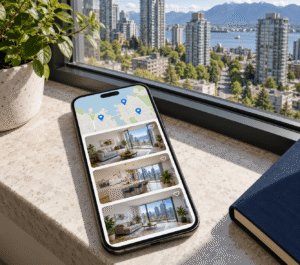
Schedulers automate leasing tasks to eliminate coordinator bottlenecks. These tasks include appointment booking, confirmation messaging, and calendar coordination, which typically consume 15-20 hours weekly in small property portfolios. These scheduling systems reduce manual coordination workload through instant lead response, automated reminder sequences, and centralized calendar management across multiple properties. Property showing automation software like Leasey.AI transforms how leasing teams manage appointments. It removes the back-and-forth communication that creates delays and missed opportunities in manual scheduling workflows.
Discover Automated Showing Schedulers for Small Portfolios
- Showing automation systems handle appointment coordination tasks without requiring leasing coordinators to manually respond to every inquiry or schedule request.
- Small property management teams typically save 15-20 hours per week when automated schedulers replace manual booking processes and confirmation messaging.
- Automated confirmation and reminder systems reduce no-show rates by sending multiple touchpoints before scheduled showings without coordinator intervention.
- Portfolio managers with 20-100 units often reach the threshold where automated lead response systems become cost-effective compared to hiring additional coordination staff.
- Showing scheduler pricing for small portfolios ranges from affordable subscription models to per-unit fees that scale with portfolio size and showing volume.
- Calendar synchronization features in automated listing syndication platforms prevent double-bookings across properties and team members.
- Implementation challenges for small teams include integration complexity with existing property management systems and learning curve periods during initial setup phases.
How Automated Showing Schedulers Free Small Property Management Teams from Coordination Bottlenecks
Automated showing schedulers replace manual coordination tasks by capturing leads from listing platforms and instantly offering available time slots based on pre-configured availability rules. These systems eliminate the need for leasing coordinators to manually respond to showing requests. They also remove the need to check calendar availability, send confirmation messages, and coordinate timing across multiple properties. Property showing bottlenecks often arise when coordinators manage appointment logistics all day instead of touring properties or qualifying tenants.
Percentage of Coordinator Work Freed by Automating Schedules
Automated showing schedulers help leasing coordinators reclaim 60-75% of their showing-related workload when they handle booking confirmations and reminder messaging. This time savings allows small property management teams to reallocate coordinator hours toward tenant qualification conversations. They can also focus on property preparation tasks and relationship-building activities that require human interaction. Most teams see measurable productivity gains within the first two weeks after implementation. Automated systems take over repetitive scheduling workflows and reduce the volume of coordination emails and phone calls.
Tasks Automated Schedulers Manage Independently
- Instant response messaging to showing inquiries from rental listing platforms within seconds of lead submission
- Calendar availability checking across multiple properties and team members to prevent scheduling conflicts
- Automated confirmation emails sent immediately after prospects book their preferred showing time slots
- Reminder message sequences delivered 24 hours and 2 hours before scheduled appointments to reduce no-show rates
- Rescheduling request handling when prospects need to change their appointment times without coordinator involvement
- Follow-up messaging automation for prospects who viewed properties but haven’t submitted rental applications yet
- Real-time calendar updates synced across property management software platforms and team member mobile devices

Time Savings Provided by Automated Showing Schedulers to Small Property Management Operations
Time savings are significant as manual showing coordination consumes 15-25 hours weekly for property managers handling 30-80 units without automation support. Coordinators spend significant time responding to showing requests across multiple communication channels. They also check team calendars for availability conflicts and send follow-up messages to confirm attendance. Workflow automation reduces vacancy periods by eliminating delays that occur when coordinators juggle multiple tasks simultaneously. Prospects also avoid waiting hours or days for scheduling responses.
Automated Systems That Cut No-Show Rates by Half
Automated reminder systems reduce no-show percentages by 30-50% through multi-channel message sequences that keep showing appointments top-of-mind for prospective tenants. Confirmation systems send initial booking confirmations via email and text. They also send reminder messages at strategic intervals, such as 24 hours before and 2 hours before scheduled appointments. Automated reminders help prospects remember appointments or find property locations during key decision-making moments.
Signs That Small Property Management Portfolios Need Automated Showing Scheduler Technology
Property management companies with 20-100 units typically reach the automation investment threshold when manual scheduling creates visible coordinator overwhelm and missed lead opportunities. Leasing coordinators may experience overload when they delay responding to showing requests. They may also make frequent double-booking errors. Coordinators might work extended hours just to manage appointment logistics. Growing firms reach a scheduling breaking point when they need to scale units but adding another full-time coordinator significantly impacts operating margins.
Determine Showing Volume That Stresses Manual Coordination
Showing volume calculation starts by tracking weekly showing requests across all properties and measuring coordinator response times and scheduling completion rates. Most coordinators reach capacity limits when handling 25-40 showing requests weekly while also managing other leasing responsibilities like application processing and tenant communication. Vacancy cost calculations for multi-property portfolios reveal how scheduling delays extend time-to-lease metrics. Scheduling delays compound revenue losses across multiple vacant units simultaneously.
Cost of Automated Showing Schedulers for Property Managers with Under 100 Doors
Showing scheduler pricing for small portfolios typically ranges from $100-$500 monthly depending on feature sets, property counts, and showing volume levels. Many automation software platforms use subscription models that scale with portfolio size. Alternatively, some charge per-unit fees ranging from $2 to $8 monthly for actively listed rental properties. Automated scheduling becomes financially advantageous when monthly software fees stay under 40-60% of the cost of hiring extra leasing coordinator staff for equivalent workload coverage.
Analyze Setup Costs and Monthly Fees for Small Operations
Implementation costs for showing schedulers include initial setup fees ranging from $0-$1,000 depending on integration complexity and customization requirements for small portfolio operations. Monthly subscription structures typically tier by unit count, offering lower rates for portfolios of 10-25 units and scaling pricing as property counts increase. Property managers should watch for hidden costs such as per-showing transaction fees and premium feature charges for advanced calendar sync capabilities. Integration costs when connecting to existing property management databases are also a factor.
Challenges of Integrating Automated Showing Schedulers for Small Property Management Teams
Property management system integration varies widely. Some platforms, like Yardi and RealPage, offer automation layers. Other systems require custom API connections or manual data export workflows. Technical setup difficulty depends on the showing scheduler’s native integration with web calendar systems like Google Calendar and Outlook. Alternatively, it may require workarounds using third-party sync tools. Consequently, automated schedulers struggle to maintain real-time availability accuracy across all platforms.
Exploring Alternatives When Automated Schedulers Are Incompatible
Small property managers can reduce coordination complexity without full automation by using standardized response templates, shared team calendars, and dedicated showing time blocks. Hybrid automation works well for teams testing scheduling software. These teams can automate specific workflow steps, such as confirmation messaging, while keeping initial showing request responses manual. Free and low-cost software options provide basic scheduling features but often lack the advanced integration capabilities and automated follow-up sequences that eliminate coordinator bottlenecks most effectively.
Leasey.AI addresses showing coordination bottlenecks for small property portfolios through automated scheduling that integrates with rental listing platforms across 48+ marketplaces. The platform handles lead response, appointment booking, confirmation messaging, and reminder sequences without requiring manual coordinator intervention for routine scheduling tasks. Small property management teams using Leasey.AI’s showing scheduler can focus staff resources on tenant qualification and relationship building while automation handles the repetitive coordination workflows that typically consume most of their workweek.