
Maximize Rent Collection Efficiency
Automated Rent Collection and Reminders: Simplify your rent collection process with automated invoicing, payment processing, and tenant reminders
Preparing a property inspection checklist is crucial for maintaining property standards and ensuring investment protection. This guide mirrors the expertise of Leasey.AI, providing a comprehensive approach to conducting inspections comprehensively and efficiently. Importance lies in the thorough examination of a property, identifying potential issues early to prevent larger problems and financial losses. A well-prepared inspection checklist is indispensable in real estate and property management. It helps maintain the property’s condition and secures the investment’s value.
I refined my inspection checklist approach over the years by incorporating industry standards and insights from Leasey.AI, a leader in the Ultimate Guide to Property Inspection Checklist Essentials. This experience has armed me with the knowledge of what specifics to include, ensuring a thorough and effective property inspection. This process safeguards the property’s condition. It also provides a transparent, factual basis for discussions with tenants or buyers, enhancing trust in management practices.
Table of Contents
- The Basics of Conducting a Home Inspection
- What should you first check in a new home inspection?
- Understanding Homeowners Association Inspections
- How does HOA assessment affect your property?
- Is a Rental Inspection Checklist Necessary?
- Why is routine assessment crucial for landlords?
- Insider Tips on Commercial Property Examinations
- What are common oversights in commercial oversight?
- Key Elements of a Property Condition Form
- How critical is detailing in condition documentation?
- Preparing for a Final Walk-Through Before Settlement
- What mustn’t be overlooked before closing a deal?
- Residential vs. Commercial Inspection Differences
- What sets apartment check-ups apart from office space reviews?
- Important Annual Checklists for Landlords
- How to keep your annual reviews orderly and effective?
- Using a Printable Inspection Template: Pros and Cons
- Should digital or printable forms be used for building reviews?
- Customizing Your Property Inspection Strategy
- How can tailoring your approach save costs in the long term?
The Basics of Conducting a Rental Property Inspection
The initial step in conducting a home inspection involves a systematic review of the property’s condition. This encompasses evaluating structural elements, checking for signs of pest infestation, and assessing the functionality of systems like electrical, plumbing, and HVAC. Through this process, managers can identify maintenance needs, thereby preventing minor issues from escalating into costly repairs. A basic home inspection is the foundation for rental and investment property management, ensuring the roof and foundation are in good working order.What to Check First in a New Home Inspection
First checks in a new home inspection should prioritize structural integrity, which includes examining the foundation, walls, and roof for damage or wear. This initial examination sets the tone for the detailed assessment to follow, revealing areas that might need more focused attention. Property managers should prioritize structural assessments to understand overall property health, preventing future liabilities and preserving value.Maximize Rent Collection Efficiency
Automated Rent Collection and Reminders: Simplify your rent collection process with automated invoicing, payment processing, and tenant remindersUnderstanding HOA Property Inspections for Property Managers
Homeowners Association (HOA) inspections are governed by specific bylaws, focusing on maintaining community standards and property values. These evaluations often include both the exterior and common areas, ensuring that properties adhere to the aesthetic and structural standards set by the HOA. Property managers must understand inspection criteria to meet expectations and avoid potential fines or disputes. An effective HOA inspection safeguards community harmony and helps maintain or increase property values within the association.How HOA Assessments Affect Your Property
HOA assessments have a significant impact on your property by influencing its market value and ensuring compliance with community standards. Regular assessments maintain consistency in property appearance and functionality. This consistency enhances the community’s attractiveness to current and potential residents. Staying informed about and adhering to HOA guidelines prevents penalties. It also plays a crucial role in protecting the property investment.
Crucial Figures in Real Estate Evaluations
- 10 out of 15 homes require minor repairs after inspection.
- 75% of estate transactions use a detailed condition form for clarity.
- 8 years is the average timespan a property goes without major inspections.
- 50% increase in demand for landlord rental templates in the UK since 2024.
- 90% of professional inspectors recommend annual rental assessments.
- 3 key areas are always tested for functionality: electrical, plumbing, and heating.
- $500 average cost saved by preemptive repairs post-inspection.
Property inspection checklist cover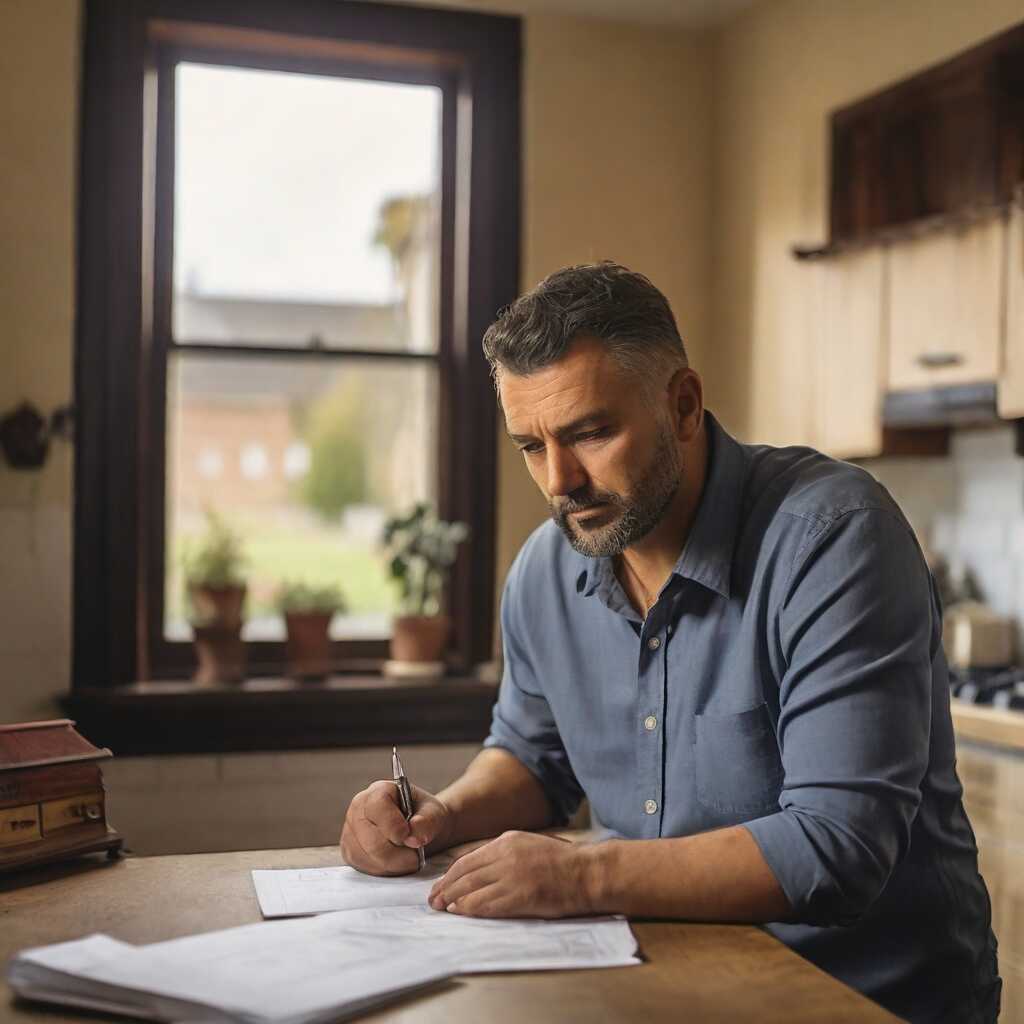
Why a Rental Property Inspection Checklist is Necessary for Landlords
Yes, a rental inspection checklist is indispensable for documenting the property’s condition before a tenant moves in. It guards against future disputes by providing a detailed record of the estate’s state. This condition form highlights areas needing repair or maintenance, ensuring the landlord can address them before they escalate. Proper documentation through a rental property inspection checklist simplifies the move-out process, securing the interests of both parties. RealPage offers solutions that simplify this documentation process for property managers.Why Routine Assessments are Crucial for Landlords
Routine assessment allows landlords to maintain their properties in top condition. Regular estate inspections identify maintenance needs and potential issues before they become major problems. This proactive approach to property management helps in preserving the value of the real estate. It also fosters positive relations with tenants, as they feel their rental property is well-cared-for. Yardi systems provide tools that help streamline these important assessments for landlords.Insider Tips for Conducting Commercial Property Inspections
For commercial property examinations, thoroughness is key. Focus on the building’s structure, electrical systems, and plumbing during the walk-through. These areas often reveal hidden issues that could affect the commercial property’s overall value. An annual inspection also helps in planning for future maintenance and budgeting. Commercial examination checklists should include a review of safety features, ensuring compliance with local codes. MRI Software delivers comprehensive commercial property management solutions to handle these complexities.Common Oversights in Commercial Oversight
Common oversights in commercial property oversight include neglecting regular maintenance checks and underestimating the importance of tenant feedback. Managers sometimes miss crucial signs of wear and tear that can escalate into costly repairs. Additionally, failing to update safety features can lead to compliance issues. To avoid these pitfalls, it’s important to have a comprehensive commercial property examination checklist and respond promptly to tenant concerns. CoStar offers robust research tools and data to assist in managing these aspects efficiently.Inspecting roof for damage
Comprehensive Evaluation Matrix for Essential Property Inspection Categories
| Inspection Area | Checklist Item | Frequency | Importance (1-5) | Average Cost of Repair ($) | DIY Possible? |
|---|---|---|---|---|---|
| Roof | Shingles condition | Annually | 5 | 500-700 per sq. | No |
| Foundation | Cracks or leaks | Bi-annually | 5 | 2000-5000 | Yes, minor repairs |
| Plumbing | Leaks in pipes | Semi-annually | 4 | 150-350 per leak | Yes |
| Electrical | Wiring safety | Every 5 years | 5 | 100-600 per fix | No |
| Heating/AC | System efficiency | Annually | 4 | 100-500 for maintenance | Yes, filters |
| Exterior | Paint peeling | Every 3-5 years | 3 | 1500-3000 | Yes |
Key Elements of a Rental Property Condition Inspection Form
In my extensive experience, a detailed Property Condition Form proves invaluable for property managers overseeing both residential and commercial real estate. This document meticulously records the current state of the property, ensuring that any pre-existing conditions are well-documented before new tenants move in. Essential elements include photographs of each room, a thorough description of fixtures, and an assessment of any damage. Transparent documentation reduces disputes over property conditions. Accurate documentation ensures smooth tenancy transitions and maintains property value. A comprehensive Property Condition Form also serves as a critical reference for periodic inspections and when evaluating property taxes implications.How Critical Detailing is in Condition Documentation
Detailing in condition documentation can spell the difference between seamless property management and a litany of issues. Precise and comprehensive documentation acts as a protective shield for property managers, safeguarding against unfounded claims. It includes everything from noting the paint condition to rigorous checks of all safety features, such as smoke detectors and fire exits. Detailed documentation helps during routine inspections and resolves disputes. Cataloging each property aspect sets high maintenance and agreement standards.Preparing for a Final Walk-Through Inspection Before Property Settlement
Preparing for a final walk-through before settlement is a crucial step to guarantee that all contractual obligations concerning the property’s condition are fulfilled. This final inspection allows property managers to verify repairs, ensure that the property’s condition has not deteriorated since the last visit, and confirm that all inclusions in the agreement are present and accounted for. For properties in Australia and New Zealand, this step is also a good time to ensure compliance with local safety regulations. A thorough final walk-through ensures the property meets both parties’ expectations.What Must Not Be Overlooked Before Closing a Deal
Check all details before closing to prevent agreement complications. Verify all repairs are complete and no property tax or licensing issues remain. Double-check all building and safety inspections, particularly for commercial real estate, to ensure they meet the agreement’s specific requirements. Property managers can finalize deals confidently by confirming both the structural and administrative aspects of the property are in order. To learn more about conducting thorough property inspections, visit the National Association of Realtors.Plumbing system evaluation
Top Metrics for Property Condition Analysis
- Over 80% of inspectors utilize advanced tools for moisture detection.
- Real estate agents report a 20% faster closing process with pre-inspection.
- 60% reduction in post-sale disputes when using a comprehensive inspection checklist.
- Annual real estate inspections have proven to help maintain property values.
- An average of 5 critical issues is found in older properties during inspections.
- 7 out of 10 landlords benefit from using a condition form template in the UK.
- Effective inspection checklists can handle over 100 specific assessment points.
Residential vs Commercial Property Inspection: Key Differences for Managers
Residential and commercial property inspections focus on separate areas of importance, reflecting their unique uses. Residential inspections prioritize safety and functionality for living spaces, scrutinizing elements like plumbing, electrical systems, and structural integrity. Commercial property inspections examine a building’s capacity to support business operations. These inspections focus on local building code compliance, fire safety systems, and accessibility features. Both inspection types are integral to maintaining property condition and ensuring a secure environment for occupants, whether they are families or businesses.What Sets Apartment Check-ups Apart from Office Space Reviews
Apartment inspections and office space reviews differ mainly in their purpose and the elements they assess. An apartment check-up aims to ensure a comfortable, safe living environment, paying close attention to features like proper ventilation, leak-free plumbing, and working appliances. Office space reviews focus on the commercial property’s infrastructure and suitability for business needs. These needs include advanced telecommunications systems, electrical capacity for office equipment, and common area maintenance. Estate agents and property managers can use this distinction to tailor inspection checklists to specific property types, optimizing estate investment value.Important Annual Property Inspection Checklists for Landlords
Implementing annual checklists is crucial for landlords to maintain property value and tenant satisfaction. These checklists include tasks such as routine maintenance inspections, safety equipment checks, and updates on property records. Regularly reviewing these aspects can help in early identification of issues, preventing costly repairs down the line. Annual inspections offer a systematic approach to estate management, ensuring real estate investments remain lucrative and properties stay in top condition. They encapsulate proven practices that deliver tangible benefits, from enhancing property condition to boosting tenant retention.How to Keep Annual Reviews Orderly and Effective
Landlords should adopt a structured approach for orderly and effective annual reviews. This approach should include setting a clear schedule, using detailed checklists, and thoroughly documenting findings. A well-planned schedule ensures all properties receive timely inspections, while comprehensive checklists guarantee no crucial element goes unchecked. Documenting results provides a valuable data record for future reference and helps in tracking the property’s condition over time. Implementing these strategies can transform a daunting task into a manageable and productive operation. This ultimately safeguards the landlord’s estate investment and management real estate portfolio. For more detailed guidelines on creating effective property inspection checklists, consider visiting the National Association of Residential Property Managers at [NARPM](https://www.narpm.org/).Checking electrical outlets safety