

Eviction starts before a notice — it starts at tenant selection.
97% of property managers have experienced tenant fraud. Leasey.AI screens applicants with biometric ID verification, credit history, background checks, and bank statement analysis — flagging red flags before a lease is signed.
Free Eviction Notice Templates for All 50 States: Complete Legal Guide
Eviction notice templates are legally required documents that inform tenants of lease violations and provide deadlines for remedying issues or vacating the property. These state-specific forms ensure compliance with local landlord-tenant laws and protect property owners from legal challenges during the eviction process.
Professional property management companies typically achieve higher success rates when using properly formatted, state-compliant eviction notice templates. Proper documentation and adherence to state-specific requirements significantly improve court outcomes and reduce legal disputes.
Understanding State-Specific Eviction Notice Requirements
Each state maintains unique eviction laws that dictate notice periods, required content, and delivery methods. California’s recent tenant protection laws extend notice periods for certain situations, while New York requires specific language in eviction notices for rent-stabilized units.
Landlords must understand their state’s specific requirements before issuing any eviction notices. Failure to comply with state and local regulations can result in dismissed cases and additional legal costs.
Maximize Rent Collection Efficiency
Automated Rent Collection and Reminders: Simplify your rent collection process with automated invoicing, payment processing, and tenant remindersEssential Legal Protections Every Landlord Should Know
Many cities have implemented additional tenant protection ordinances that supplement state eviction laws. These local regulations often include extended notice periods, mandatory mediation requirements, or seasonal restrictions on evictions.
Understanding both state and local eviction laws helps landlords avoid costly legal mistakes and ensures proper compliance throughout the eviction process.
How to Create Legally Compliant Eviction Notice Templates
Effective eviction notices must include specific legal language, proper formatting, and all required elements mandated by state law. Professional template services often provide higher court acceptance rates by incorporating current legal requirements and proper formatting standards.
Modern eviction notice generation tools help ensure compliance by automatically updating templates when laws change and providing guidance on proper delivery methods for each jurisdiction.
Step-by-Step Guide to Eviction Notice Compliance
Creating compliant eviction notices requires understanding your state’s specific requirements for content, timing, and delivery methods. Many states require notices to include specific language about tenant rights and available resources.
Professional legal services can help ensure your eviction notices meet all current requirements and provide protection against tenant challenges in court proceedings.
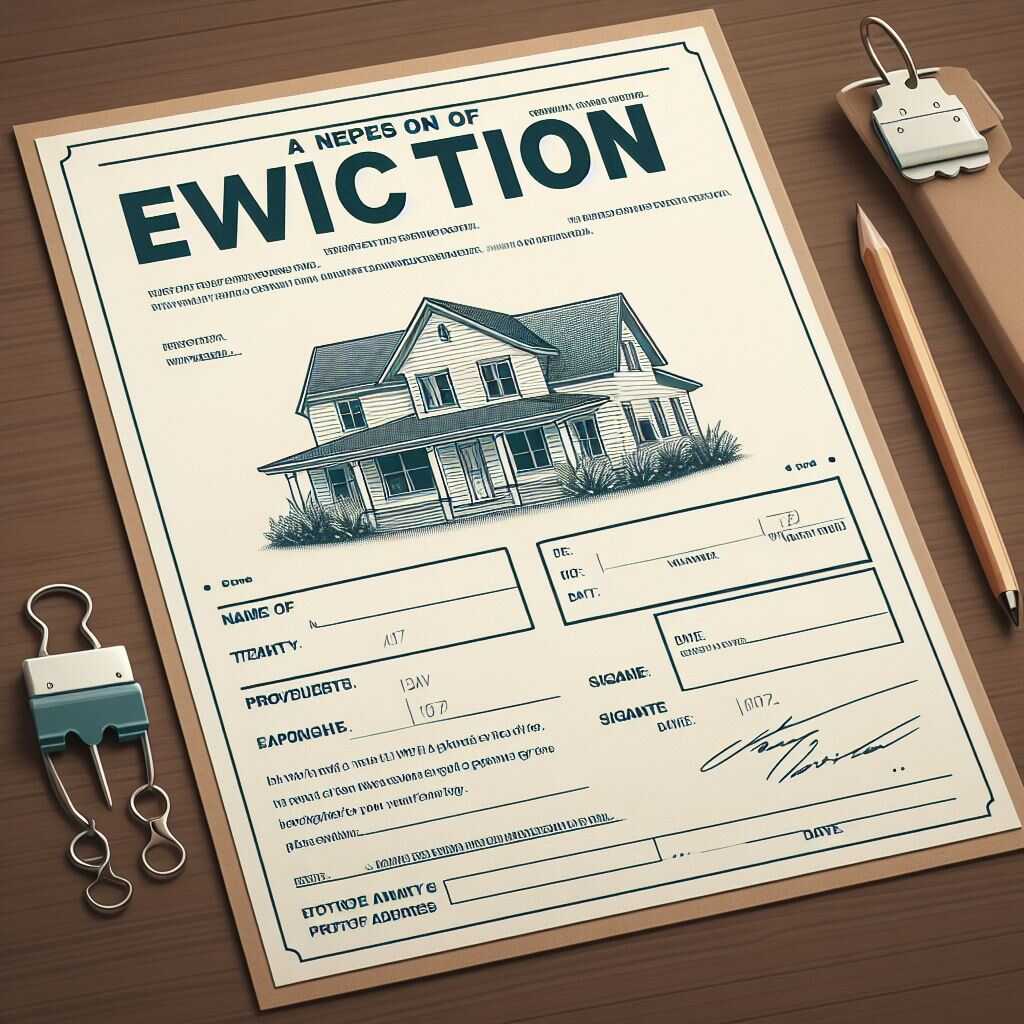
- Tenant’s full legal name and property address
- Specific reason for eviction with detailed description
- Exact amount owed (for non-payment cases)
- Deadline for compliance or vacancy
- Landlord’s name and contact information
- Legal consequences of non-compliance
- Required state-specific language and disclosures
Best Practices for Serving Eviction Notices Legally
Proper service of eviction notices is crucial for legal compliance and court success. Each state specifies acceptable delivery methods, which typically include personal service, certified mail, or posting in conspicuous locations when other methods fail.
Documentation of notice delivery is essential for court proceedings. Many landlords use professional process servers or certified mail with return receipts to ensure proper documentation of service.
Common Delivery Methods and Legal Requirements
Most states allow multiple delivery methods for eviction notices, but specific requirements vary significantly. Personal service is typically preferred, while mail delivery often requires specific timing and documentation requirements.
Understanding your state’s service requirements helps ensure your eviction notice will be legally valid and enforceable in court proceedings.
Where to Find Free Eviction Notice Templates
Legitimate free eviction notice templates are available from state court websites, legal aid organizations, and established legal document providers. These sources typically offer state-specific templates that comply with current laws and regulations.
Many property management platforms also provide free access to updated eviction notice templates as part of their services, ensuring landlords have access to current legal forms.
Recommended Sources for State-Specific Eviction Forms
State court websites often provide the most current and legally compliant eviction notice templates. These official sources ensure forms meet current legal requirements and include all necessary state-specific language.
Legal aid organizations frequently offer free resources and templates designed to help both landlords and tenants understand the eviction process and their respective rights and obligations.

State-by-State Eviction Notice Requirements Reference Guide
| State | Notice Type | Minimum Notice Period | Required Content | Delivery Method | Special Considerations |
|---|---|---|---|---|---|
| California | 3-Day Pay or Quit | 3 business days | Amount owed, payment instructions | Personal service, substituted service | Extended protections for certain tenants |
| New York | 14-Day Rent Demand | 14 calendar days | Itemized rent statement, landlord contact info | Personal delivery, certified mail | Additional protections for rent-stabilized units |
| Florida | 3-Day Notice to Pay Rent | 3 business days | Total rent due, payment deadline | Hand delivery, mail, posting | Separate notice required for lease violations |
| Texas | Notice to Vacate | 3 days (unless lease specifies otherwise) | Reason for termination, move-out date | Personal delivery, mail, affixing to door | No cure period required for most violations |
| Illinois | 5-Day Notice | 5 calendar days | Rent amount, payment location | Personal service, certified mail | Separate 10-day notice for lease violations |
| Washington | 14-Day Pay or Vacate | 14 calendar days | Detailed accounting of rent owed | Personal delivery, mail, conspicuous posting | Mandatory repayment plan option |
Professional Eviction Services vs DIY Templates
Professional eviction services provide legal expertise and current compliance knowledge, while DIY templates offer cost savings but require landlords to understand legal requirements independently. Both approaches can be effective when proper legal compliance is maintained.
Many property owners find that professional services provide valuable peace of mind and reduce the risk of costly legal mistakes during the eviction process.
Evaluating Professional Eviction Assistance Options
Quality eviction assistance services typically offer comprehensive support including document preparation, legal compliance review, and guidance on proper delivery methods. These services often justify their cost through improved success rates and reduced legal complications.
When evaluating professional services, landlords should consider factors such as state-specific expertise, success rates, and comprehensive support throughout the eviction process.
Common Grounds for Eviction: Understanding Valid Reasons
Valid eviction grounds typically include non-payment of rent, lease violations, property damage, illegal activities, and lease expiration. Each state defines specific requirements for documenting these grounds and the notice periods required for each type of violation.
Proper documentation of lease violations is essential for successful eviction proceedings. Many landlords use systematic tracking methods to document violations and maintain records required for court proceedings.
Documenting Non-Payment and Lease Violations Effectively
Effective documentation includes detailed records of rent payments, lease violation notices, and tenant communications. Proper record-keeping significantly improves court outcomes and helps establish clear grounds for eviction.
Many property management systems include automated tracking features that help landlords maintain comprehensive documentation throughout the tenancy and eviction process.

- Review lease agreement and document specific violations
- Verify state and local eviction law requirements
- Prepare notice using appropriate state-specific template
- Serve notice using legally compliant delivery method
- Document service with photos and receipts
- Wait for compliance deadline to expire
- Proceed with court filing if tenant doesn’t comply
Understanding Eviction Records and Tenant Screening
Eviction records become part of public court records and may appear in tenant screening reports. These records can significantly impact a tenant’s ability to secure future housing, making proper documentation and legal compliance crucial for both landlords and tenants.
Tenant screening services often include eviction history as a key factor in rental applications. Understanding how eviction records work helps both landlords and tenants navigate the rental market more effectively.
How Eviction Records Affect Future Rental Applications
Eviction records typically remain on tenant screening reports for several years and can significantly impact rental approval rates. Many landlords use these records as primary factors in tenant selection decisions.
Tenants with eviction records may need to provide additional documentation or security deposits to secure future housing. Understanding this impact helps both parties approach the eviction process more thoughtfully.
Property Management Best Practices for Eviction Prevention
Effective property management includes proactive communication, early identification of potential issues, and systematic approaches to lease enforcement. These practices often reduce the need for formal eviction proceedings while maintaining property standards.
Many successful property managers implement systematic approaches to tenant relations that address problems before they escalate to eviction-level issues.
Proactive Strategies for Maintaining Positive Tenant Relations
Regular property inspections, responsive maintenance, and clear communication about lease requirements help prevent many issues that lead to evictions. These proactive approaches often result in longer tenancies and reduced turnover costs.
Professional property management training typically emphasizes prevention strategies that maintain property standards while building positive tenant relationships.
Essential Tips for Effective Eviction Notice Preparation
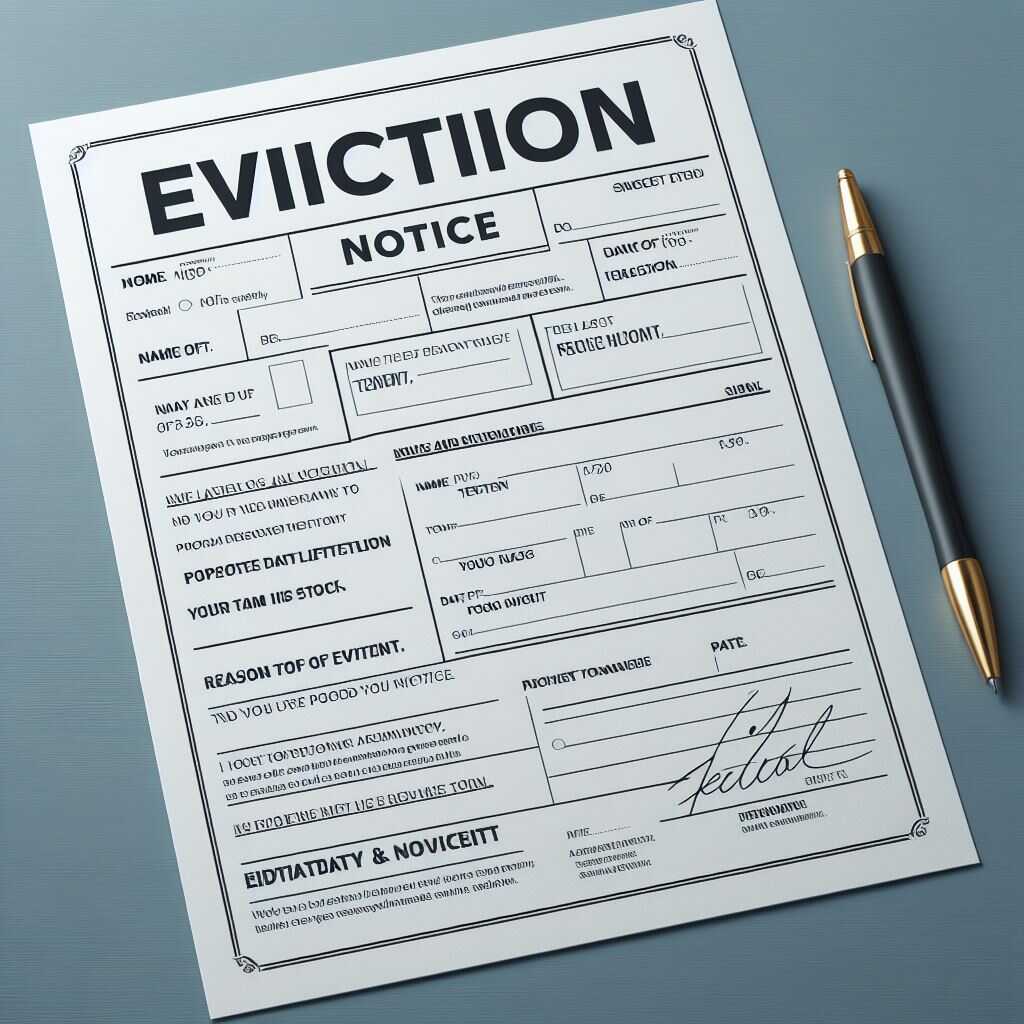
Successful eviction notices require accurate information, proper formatting, and compliance with all state-specific requirements. Attention to detail in notice preparation significantly improves court outcomes and reduces legal challenges.
Many landlords benefit from using checklists and templates that ensure all required elements are included in their eviction notices before service.
Critical Elements That Make Eviction Notices Legally Valid
Legally valid eviction notices must include specific language, proper formatting, and all required disclosures mandated by state law. Missing any required element can result in dismissed cases and additional legal costs.
Understanding your state’s specific requirements and using current templates helps ensure your eviction notices will be legally enforceable in court proceedings.
Avoiding Common Eviction Notice Mistakes
Common eviction notice errors include incorrect notice periods, improper service methods, missing required language, and inadequate documentation of violations. These mistakes can result in dismissed cases and additional legal expenses.
Systematic approaches to notice preparation and service help landlords avoid costly errors and improve their success rates in eviction proceedings.
Legal Compliance Strategies for Bulletproof Eviction Notices
Effective compliance strategies include regular updates to forms and procedures, proper training on state requirements, and systematic documentation of all steps in the eviction process.
Many successful landlords implement regular reviews of their eviction procedures to ensure continued compliance with changing laws and regulations.