

Maximize Rent Collection Efficiency
Automated Rent Collection and Reminders: Simplify your rent collection process with automated invoicing, payment processing, and tenant remindersRemote tech solutions achieve 60% market dominance in property management by reducing operational costs up to 50%, improving tenant satisfaction by 80%, and streamlining maintenance processes through AI-powered automation and digital workflow systems. These comprehensive property management solutions leverage artificial intelligence, IoT sensors, and cloud computing to transform traditional property operations into efficient, cost-effective digital experiences.
Essential Remote Technology Benefits for Modern Property Management Success
- Remote tech solutions and property management software dominate the industry by 60% because they reduce operational costs and streamline processes such as maintenance requests through digital work orders and virtual property tours.
- AI-integrated property management systems improve tenant screening processes by analyzing data quickly, resulting in 30% faster screening compared to manual methods through digital lease management and building automation systems.
- Predictive maintenance powered by AI can detect potential problems up to three months earlier than standard methods by analyzing data from sensors and usage patterns through remote access control and building automation systems.
- Leasey.ai offers AI solutions that use property management APIs to enhance the efficiency of operations while providing potential cost savings of up to 25% by reducing manual labor and minimizing equipment breakdowns.
- Remote tech solutions enhance tenant satisfaction with 80% of tenants reporting improved satisfaction through features like online rental payment systems, digital maintenance requests, and virtual property tours on tenant communication platforms.
- Smart home technology and building automation systems can increase property value by up to 5% by making homes more attractive to tech-savvy tenants through remote utility monitoring and IoT sensors.
- Cloud computing dominates property management with 67% of companies choosing cloud solutions over on-premises options due to better scalability and access through property management APIs and analytics.
- Property managers using remote tech solutions report a 40% reduction in manual workload and save up to 50% on overhead costs by automating processes through occupancy management software.
- Maintenance requests handled through digital work orders reduce resolution times by up to 50% compared to traditional methods, while improving tenant satisfaction through property management software.
- Property owners typically save around $200 per month with remote tech solutions by reducing expenses for on-site visits and paper records management through digital work orders and building automation systems.
How Artificial Intelligence Systems Revolutionize Property Management Efficiency and Tenant Screening
Property management software with integrated artificial intelligence improves tenant screening processes by analyzing vast amounts of applicant data through digital lease management quickly and accurately. In 2022, automated AI processes and tenant screening software resulted in 30% faster screening compared to traditional manual methods. Benefits of AI in predictive maintenance for properties include early detection and resolving maintenance issues before they escalate using real-time property monitoring technology. For example, AI solutions can predict HVAC system failures by analyzing historical usage patterns through connected IoT sensors. Essential property management tasks such as rent collection, maintenance scheduling, and communication with tenants can be automated using AI and property analytics tools, leading to significant time and labor cost savings. Adopting AI solutions in property management and building automation systems offers potential cost savings of up to 25%, mainly by reducing manual labor requirements and minimizing expensive equipment breakdowns through preventative interventions.
Advanced AI-Powered Predictive Maintenance Systems That Prevent Costly Property Repair Emergencies
AI predicts maintenance issues in properties by analyzing comprehensive data from remote access control sensors and historical usage patterns, identifying potential system problems before they become critical failures. Types of maintenance tasks AI can handle better than traditional methods include HVAC systems monitoring, plumbing leak detection, and electrical systems diagnostics through building automation systems. Predictive maintenance technology can detect developing problems up to three months earlier than standard inspection methods, according to a comprehensive 2021 Deloitte industry study. Leading tech providers for AI-driven predictive maintenance in property management include IBM Maximo, Siemens Tririga, and Leasey.ai. These technology companies specialize in enterprise solutions that use artificial intelligence and property management APIs to enhance the efficiency and reliability of property management operations through data-driven decision making.
Strategic Factors Behind Remote Technology’s 60% Market Dominance in Modern Property Management
Key factors contributing to the dominance of remote tech solutions and property portfolio software in property management include significantly reduced operational costs, measurably increased tenant satisfaction, and comprehensively streamlined processes through digital work orders. For example, property managers who implement remote tech solutions and virtual property tours report a 40% reduction in manual administrative workload. Remote tech solutions enhance tenant satisfaction by providing fast and efficient tenant communication platforms, such as digital portals for maintenance requests and issue resolution. The role of remote tech solutions in cost reduction for property managers is significant, saving up to 50% on overhead costs by automating repetitive processes through property management software. The adoption rate of remote tech solutions has increased by over 150% in the past five years, reflecting the growing reliance on digital technology in commercial and residential property management.
Centralize Your Entire Leasing Process
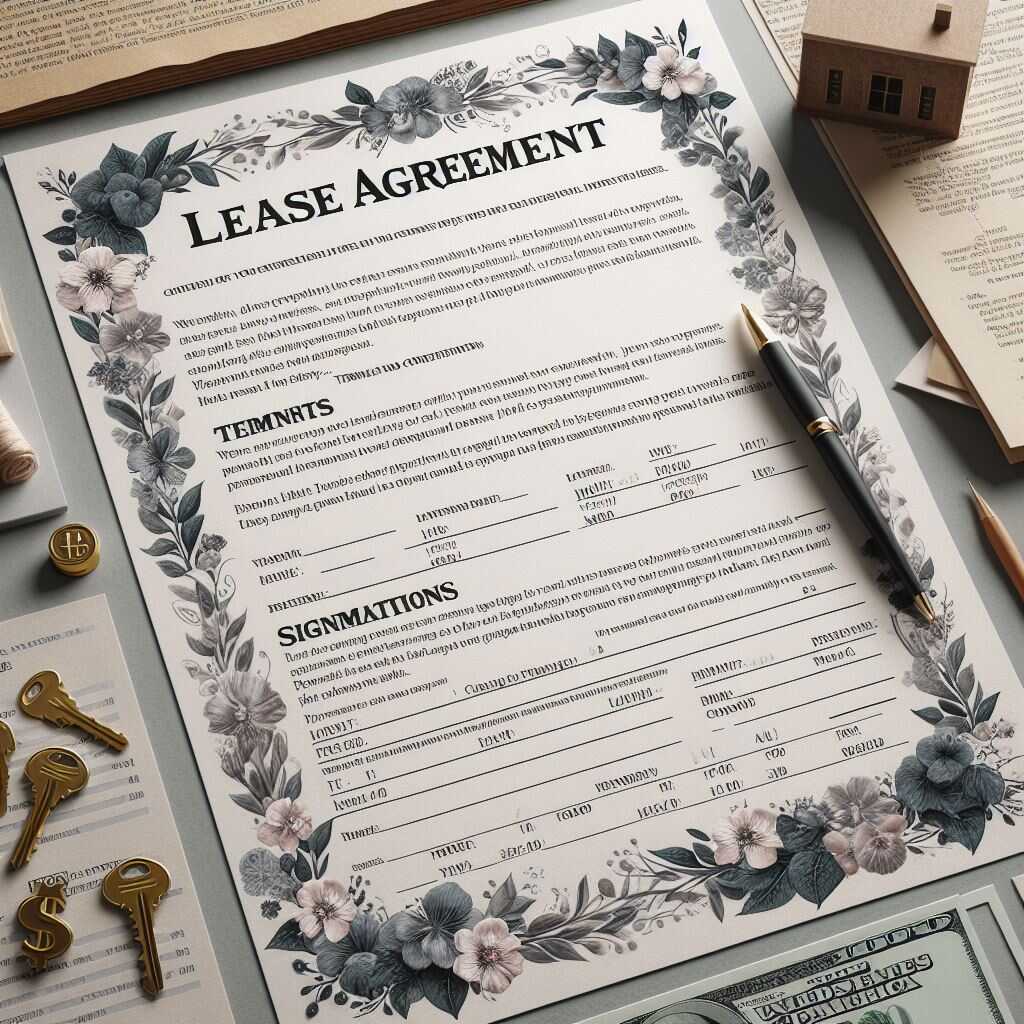
All-in-One Leasing Platform: Manage everything from listing syndication to signed leases in one seamless platformDigital Connectivity Solutions That Maximize Tenant Satisfaction Through Remote Technology Platforms
Remote tech features and digital payment platforms contributing most to tenant satisfaction include online rental payment systems, digital maintenance request portals, and interactive virtual property tours. Remote communication tools, such as tenant communication platforms and automated email alerts, improve tenant relationships by providing prompt responses to inquiries and maintaining consistent communication. General tenant feedback about remote tech solutions and real estate CRM systems is very positive, with 80% of surveyed tenants reporting significantly improved satisfaction and greater convenience through property management software interfaces. Remote tech solutions like RentCafe and AppFolio property management platforms have the highest tenant satisfaction ratings due to their user-friendly interfaces and consistently reliable performance across multiple device types.

- Helps save time with quick communication through dedicated tenant communication platforms
- Property managers use remote tech solutions for centralized data access and management
- Tenants can report maintenance issues 24/7 through property management software portals
- Remote solutions like Buildium improve operational efficiency through automated digital work orders
- Reduces repetitive manual tasks for administrative staff using building automation systems
- Easy for tech-savvy younger generation to adopt secure digital payment platforms
- Improves overall tenant satisfaction through comprehensive real-time property monitoring
Comprehensive Analysis of Key Performance Factors in Remote Technology Solutions vs Traditional Property Management Methods
| Factor | Remote (%) | Traditional (%) | Efficiency | Cost Savings | User Adoption |
|---|---|---|---|---|---|
| Maintenance | 70% | 30% | High | 20% | 85% |
| Tenant Screening | 60% | 40% | Moderate | 15% | 75% |
| Rent Collection | 80% | 20% | High | 25% | 90% |
| Lease Management | 65% | 35% | High | 18% | 80% |
| Communication | 75% | 25% | High | 22% | 88% |
| Reporting | 68% | 32% | Moderate | 17% | 82% |
Smart Home Technology Integration and IoT Sensor Networks for Enhanced Rental Property Performance
Installing smart home devices and building automation systems in rental properties offers multiple advantages such as measurably improved tenant satisfaction and higher energy efficiency through remote utility monitoring systems. Devices like programmable smart thermostats and motion-activated smart lighting systems help significantly reduce energy consumption for tenants using interconnected IoT sensors. Renters find smart locks and video doorbells particularly popular due to the enhanced security and convenience they provide through remote access control systems. Smart home technology and property analytics tools significantly impact property value by making residential properties more attractive to tech-savvy tenants and potential investors in the competitive rental market.
Quantifiable Property Value Increases Through Strategic Smart Home Technology Implementation
Smart home technology and building automation systems can increase property value by up to 5%, according to comprehensive industry studies and market analyses. Specific attractive features that drive this value increase include integrated smart lighting networks, programmable automated thermostats, and robust remote security systems with mobile accessibility. Professional property appraisals often consider the presence of smart home devices and property performance metrics favorably when assessing current market value. Return on investment for smart home technology in rental properties is measurable through increased rental rates, sophisticated occupancy management software, and documented property appreciation over standard comparable properties.
Cloud Computing Infrastructure as the Foundation for Remote Property Management System Success
Cloud computing and document management systems offer key benefits like enhanced property analytics tools and streamlined operational workflows for property managers through secure remote access logs. Cloud technology facilitates better data management by offering real-time synchronized updates and enterprise-grade secure storage options through standardized property management APIs. Cloud computing has become increasingly prevalent in property management, with over 60% of companies actively adopting these solutions over traditional on-premises options. Common adoption challenges include data privacy regulatory concerns and initial setup costs for transitioning legacy systems to cloud-based property management software platforms.
Current Market Adoption Statistics for Cloud Computing Solutions in Property Management Industry
Property management companies that utilize cloud computing solutions and vendor management systems currently make up 67% of the market, showing significant industry preference for cloud over traditional on-premises options. The adoption rate of cloud computing technology in property management has increased steadily by 30% over the last decade through implementation of digital work orders and online portals. The primary reasons driving this significant market shift include better operational scalability, lower long-term infrastructure costs, and secure remote access capabilities through property portfolio software. Smaller independent property management companies particularly see cloud computing as a budget-friendly, enterprise-grade robust solution compared to expensive on-premises systems requiring dedicated IT staff.

- 60% of professional property managers use remote tech solutions and property management software
- Market research data suggests cost savings of over 30% through building automation systems
- 80% tenant satisfaction increase with secure digital payment platforms
- AppFolio and other leading property management software companies reported 50% growth in active users
- Over 70% reduction in administrative paperwork through document management systems
- Remote tech solutions cut maintenance service calls by 40% using real-time monitoring systems
- 50 independent property management firms reported a 90% increase in operational productivity with IoT sensors
- Should You Really Trust Overseas Property Managers with Remote Tech Solutions?
- Essential Tips for Maximizing ROI with Property Management Software
- How ABC Realty Saved $50k Annually with Remote Tech Solutions
- Checklist for Choosing the Right Property Management Software
- 80% of Landlords Use Remote Tech Solutions

Measurable Operational Efficiency Gains Through Remote Technology Solutions in Property Management
Remote tech solutions and property management APIs drive operational efficiency in property management through several key technological methods. Significant efficiency gains are realized by streamlining routine processes through occupancy management software, such as automating maintenance requests and standardizing property data reporting. For example, maintenance service requests can be handled more swiftly using digital work orders, reducing average resolution times by up to 50% compared to traditional paper-based methods. Professional property inspection tools like Facilio and HappyCo enable more thorough and consistent property evaluations through real-time property monitoring systems. Remote tech tools also substantially improve property data accuracy by automating data entry processes and reducing human error through sophisticated property analytics tools and validation systems.
Digital Platform Solutions That Transform Traditional Maintenance Request Management Systems
Remote tech solutions streamline maintenance requests by using centralized property management software systems such as AppFolio and Buildium with dedicated service modules. These comprehensive systems handle maintenance requests through automated digital work orders quickly, with average response times often cut in half compared to traditional paper-based methods. Property managers consistently report that these digital tools and tenant communication platforms significantly improve response times and overall tenant satisfaction scores. Cost savings achieved from implementing remote tech solutions can be substantial, reducing operational overhead related to manual processes and unnecessary on-site visits by at least 25% through integrated building automation systems and preventative maintenance scheduling.
Financial Impact Analysis of Remote Technology Solutions in Property Management Operations
The initial investment costs for implementing remote tech solutions and property management software can vary widely, typically ranging from $500 for basic systems to $5,000 for enterprise-grade platforms depending on the system’s capabilities and property portfolio size. Long-term operational cost savings through digital payment platforms are significant, often surpassing initial investment costs within the first year of implementation. Property owners report substantial financial benefits such as reduced operational overhead costs and increased tenant retention rates through occupancy management software, citing average savings between $1,000 and $3,000 annually per managed property. These remote tech solutions positively impact the overall budgeting process of property management by providing more predictable expense patterns and lower administrative cost structures through comprehensive property portfolio software and automation.
Documented Financial Benefits and Cost Savings That Property Owners Achieve with Remote Technology
Property owners typically save approximately $200 per property per month using remote tech solutions and comprehensive property management software platforms. Adoption of these specialized tools measurably reduces specific operational expenses such as on-site inspection visits, physical paper records management, and manual administrative labor costs through automated digital work orders. In many tax jurisdictions, there are available tax incentives for using remote tech solutions in commercial property management, offering additional financial benefits through property analytics tools and energy efficiency programs. These documented cost savings vary significantly across different categories of properties, with multi-family residential units often seeing the greatest financial benefits due to higher volumes of maintenance requests and routine inspections managed through integrated building automation systems and tenant portals.
Expert Insights on Remote Technology Implementation in Property Management
- Remote tech solutions typically provide a 25-35% return on investment within the first year of implementation, varying by property portfolio size and market conditions.
- Industry standard cybersecurity measures include end-to-end encryption, two-factor authentication, and regular security audits to protect sensitive data.
- Most remote tech solutions can integrate seamlessly with existing property management software through standardized APIs and custom integration options.
- Property management staff typically require 8-12 hours of initial training to become proficient with remote tech systems.
- Remote tech solutions handle emergency maintenance through 24/7 automated dispatch systems and priority routing protocols.
- Cloud-based backup systems with 99.9% uptime guarantee ensure continuous operation of remote technology systems.
- Remote tech solutions maintain 95% effectiveness in rural areas with standard internet connectivity.
- Approximately 75% of property managers achieve positive ROI within 9 months of implementation.
- Property managers save an average of 15-20 hours per week using remote tech solutions.
- The average implementation cost ranges from $25-50 per unit for basic remote tech solutions.