Scale Your Property Management with Centralized Automation
Managing properties can be challenging without the right tools. Explore how Leasey.AI streamlines your leasing processes through centralized automation, saving you time and reducing vacancy rates. Schedule a free demo to see how our software platform can transform your property management.
Book Your Free Demo
What Centralized Leasing Automation Systems Do in Property Management
Centralized automation systems in property management refer to integrated software solutions designed to streamline and automate various leasing operations within a property management company. These systems utilize AI-powered tools to enhance functionalities such as lead prequalification, tenant screening, document management, and listing syndication. By centralizing these processes, property managers can significantly reduce the manual workload and minimize human error. Enhanced operational speed is crucial in a competitive market where efficiency can directly impact occupancy rates and revenue generation.Components of Centralized Automation Systems
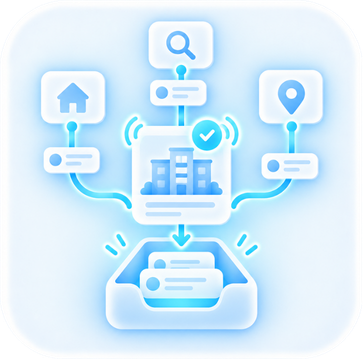
Centralized automation systems comprise several essential components that work symbiotically to improve property management efficiency. These systems feature automated lead prequalification tools. These tools filter and manage potential tenants according to predefined criteria, saving property managers time and resources. Additionally, advanced tenant screening mechanisms help identify top applicants while ensuring compliance with fair housing regulations. Document management features help easy creation, distribution, and storage of leasing documents, while listing syndication enables broad visibility across multiple software platforms. Together, these components provide a comprehensive approach to managing properties more effectively, allowing teams to focus on strategic decision-making rather than manual tasks.How Property Managers with 200-Plus Units Face Leasing Scaling Challenges
Managing a portfolio of 200 or more units presents unique challenges that can hinder growth and operational efficiency. One of the primary issues is inefficiency stemming from outdated processes and systems. Large portfolios often require significant manual intervention for tasks like tenant screening, lease management, and communication with prospective tenants. High turnover rates can worsen these challenges. Teams struggle to onboard new tenants quickly while maintaining satisfaction among existing tenants. Additionally, maintaining clear communication and collaboration among team members becomes more complex, often leading to mismanagement and lost opportunities. Property managers may find their traditional methods unsustainable while attempting to manage increasing demands, which creates a bottleneck in scaling operations.How Centralized Automation Can Help Property Managers
Implementing centralized automation can significantly alleviate the pressures faced by property managers with large portfolios. Property management software with AI tools streamlines workflows and reduces manual tasks through lead prequalification, tenant screening, and document management. Such automation not only reduces the time spent on repetitive tasks but also enhances team collaboration through shared platforms that facilitate real-time updates and communication. As a result, property managers can focus on strategic initiatives instead of getting bogged down by operational inefficiencies, paving the way for scalable growth.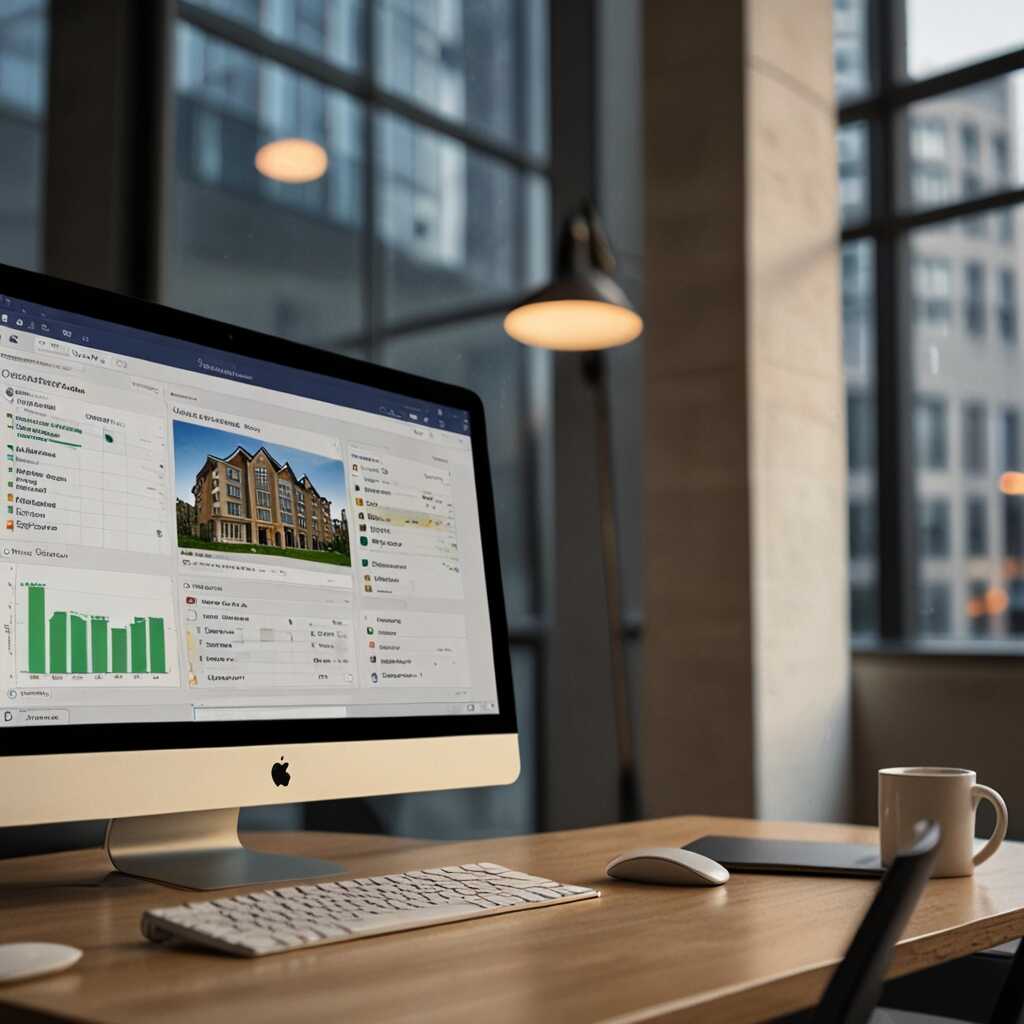
Why Centralized Leasing Automation Is Critical for Scaling Property Management Operations
In today’s competitive property management landscape, adopting centralized automation is not just a choice but a necessity for scaling operations effectively. Automation streamlines leasing processes by digitizing manual tasks, significantly reducing vacancy periods and improving tenant selection. Property management companies can use AI-powered tools for lead prequalification and tenant screening with a centralized system to ensure only suitable tenants are considered. This focus on efficiency allows property managers to use resources more effectively and optimize workflows. They can also respond to tenant inquiries swiftly, leading to improved tenant satisfaction and retention.Centralized Systems Enhance Efficiency for Property Managers
Centralized automation enhances efficiency by integrating various functions such as listing syndication, document management, and team collaboration into one platform. This integration eliminates the need for multiple disparate systems. This reduces the likelihood of errors and ensures all team members share the same information. For instance, automated lead prequalification can save property managers 20+ hours per listing, while intelligent scheduling tools can help streamline property showings. By automating routine tasks, property managers can focus on strategic decisions. Increased focus on strategic decisions can drive higher occupancy rates. This allows property managers to scale operations more effectively.Metrics Showing Centralized Automation Benefits in Property Management
- 60% reduction in vacancy periods, leading to faster revenue generation.
- 20+ hours saved per listing, allowing teams to focus on strategic initiatives rather than administrative tasks.
- 70% increase in team productivity, enhancing overall operational efficiency.
- 150% improvement in lead-to-lease ratio, indicating better conversion rates for potential tenants.
- 400% increase in lead conversion through automated inquiry responses, ensuring potential tenants receive immediate engagement.

Key Features of Effective Centralized Leasing Automation Systems for Property Managers
Centralized automation systems play a crucial role in elevating property management operations by streamlining workflows and enhancing efficiency. Effective platforms should encompass a variety of essential features that address the specific needs of property managers. These include lead prequalification tools that filter potential tenants based on predetermined criteria. Automated scheduling systems facilitate property showings, while comprehensive document management capabilities allow for easy access to essential paperwork. By combining these functionalities within a singular platform, property managers can reduce manual tasks, thereby minimizing vacancy periods and improving tenant selection processes. The integration of AI-powered tools further augments these systems by offering advanced analytics and insights, ultimately aiming to enhance overall operational effectiveness.Evaluating Key Functionalities for Automation Systems
When evaluating centralized automation systems, it’s vital to consider specific functionalities that can directly impact your leasing operations. Lead prequalification should be a priority. It automatically screens and categorizes leads, allowing property managers to focus on qualified prospects without manual labor. Similarly, automated inquiry response systems ensure that potential tenants receive timely responses, which can significantly enhance lead conversion rates. Robust document management and scheduling tools enable seamless team communication and collaboration. This reduces errors and increases overall productivity. By integrating these functionalities, property managers can create a cohesive, efficient, and data-driven leasing strategy that addresses the challenges of modern property management.
Best Practices for Implementing Centralized Leasing Automation Solutions for Property Managers
To effectively implement automation solutions in property management, start with a well-defined strategy that aligns automation tools with your leasing operations’ unique needs. Begin by assessing current processes to identify bottlenecks and manual tasks that automation can streamline. Engaging your team in this assessment helps ensure that their insights drive the selection of appropriate AI-powered tools and help smoother implementation. Furthermore, prioritize integrating automation into core functions like lead prequalification, tenant screening, and document management, which can drastically increase efficiency and enhance tenant experiences.Collaborative Training for Effective Use of Automation
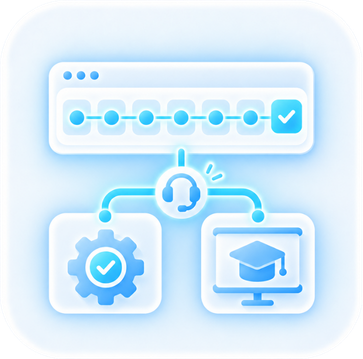
Once you have established your automation framework, investing in comprehensive training for your team is vital. Ensure that all staff members understand how to use the new property management software and appreciate its benefits. This includes familiarizing them with features such as listing syndication, advanced reporting, and workflow automation. Moreover, fostering a culture of collaboration through your automation platform enhances communication and task management, ultimately promoting a more cohesive work environment. By embracing these best practices, property managers can leverage technology to not only improve productivity but also create lasting relationships with tenants.Unique Advantages of Centralized Automation in Property Management
- Comprehensive AI-powered tools streamline the rental process, making leasing hassle-free.
- With this system, only qualified applicants are considered through automated lead prequalification.
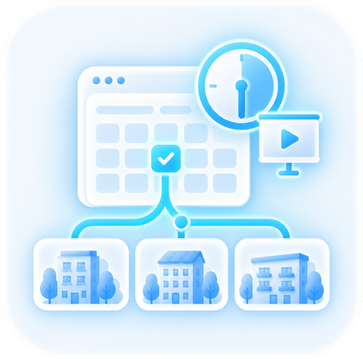
- Intelligent showing schedulers eliminate back-and-forth scheduling conflicts.
- Advanced tenant screening includes fraud detection to enhance tenant reliability.
- Auto-fill document templates and digital signatures accelerate lease signing workflows.
- In-app messaging and task assignment improve team collaboration and communication.
- Customizable analytics and insights provide actionable data for informed decision-making.