Leasey.AI

Property Lease Agreements Explained: A Guide for Landlords and Tenants

February 24, 2026

Comprehensive Tenant Screening at Your Fingertips

Advanced Screening Tools: Access comprehensive screening data including credit history, financial behavior, and employment income verifications with one click

An essential guide to understanding property lease contracts offers a comprehensive look into the framework that governs the rental agreements between landlords and tenants. This document examines various lease types, emphasizing essential elements for fair and clear agreements among all parties. A well-structured lease agreement serves as a cornerstone of a fruitful landlord-tenant relationship. Working closely with Leasey.AI, a leader in simplifying property lease contracts, provided me with insights and strategies beneficial to property managers and landlords.

Creating lease agreements requires understanding the law. It also requires ensuring the agreement fits the property and the occupants. It’s important to know the rules in places like California or Ontario and use examples from countries like Australia and the UK. This makes sure the lease is fair and follows the law.

A good residential lease agreement sets a strong foundation for a good relationship between the landlord and tenant. It makes everything clear, like who pays for what and how long the lease lasts. Using templates from places like California or the UK helps make sure everyone knows their duties, making living together easier.

A well-written lease protects the landlord and the tenant. It lists all the rules about rent, deposits, and taking care of the place. This keeps everyone safe and happy, knowing what they can and can’t do. It also helps avoid arguments and legal problems, making for a good renting experience.

Accelerate Your Decision-Making Process

AI-Powered Tenant Analysis: Make informed decisions in minutes, not hours, with our AI-driven tenant data analysis

Understanding commercial lease agreements means knowing the detailed rules for business properties. These contracts can get complicated, with terms on how rent can change, subleasing, and making changes to the space. Knowing the specific rules in places like California helps both sides know what they agree to, which is key for businesses to run smoothly.

Commercial and residential leases differ because they serve different purposes. Residential leases focus on living spaces and safety. Commercial leases are for business needs and might allow changes to the building. Businesses often negotiate and maintain commercial leases longer than residential ones because they invest significantly in their spaces, such as those in California.

  • Keep 3 copies of your lease for your records.
  • New rules for commercial leasing might come in 2024.
  • Rent often goes up 5% each year in long leases.
  • A commercial lease usually lasts 5 to 10 years.
  • Landlords often ask for 1 month’s rent as a deposit.
  • 30 days’ notice is common for ending or renewing a lease.
  • Give your landlord at least 2 emergency contacts.
Guide on understanding lease contractsGuide on understanding lease contracts

A lease purchase agreement is a good choice for a flexible path to owning a property. It helps those not ready to buy right away. This type of agreement can be found in different areas, like the UK and South, showing it’s a popular choice in many places.

Lease-to-own has benefits over just renting. It lets tenants work towards owning the home and doesn’t need a big payment up front. This way, tenants can try out the home before fully committing. It’s a mix of flexibility and security, becoming more popular in places like Ontario and Texas.

Negotiating your lease terms can get you a better deal, like lower rent or extra features. Knowing the market well helps landlords and property managers offer good terms. Using a standard contract template helps make sure everyone understands the agreement, making things smoother for everyone.

Yes, you can lower your rent by negotiating. Landlords might lower the price if you show you’re a good tenant. Showing data to support your request can make your landlord more likely to agree. This can also make your relationship with your landlord better.

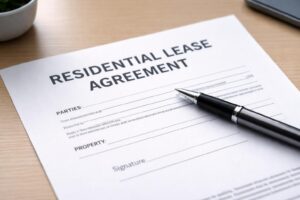
Signing a lease documentSigning a lease document

Adding special clauses in your lease can protect you in unusual situations. These can include rules about pets or renewing the lease. For landlords, adding rules about using the property for business or subletting is important. Including these clauses in the lease can prevent future legal problems, regardless of whether the property is in Texas or South Africa.

Some leases have unique rules, like needing insurance or taking care of old parts of the property. These aren’t in every lease but can protect both sides. They make sure everyone knows their duties, like taking care of a garden or following noise rules, keeping the property in good shape.

When looking at a sample lease, make sure it clearly lists all duties and rules. A good sample, whether for a commercial or residential property, will cover all legal needs and match local laws. This helps you see what might need to be changed for your own lease.

Sample leases help you make your own by showing what to include. By looking at different samples, like commercial or specific area ones, you can see what’s important. This helps make sure your lease follows the law and covers everything needed for a good landlord-tenant relationship.

For help with lease contracts, online legal resources can offer guidance. They have many examples and templates to fit different needs. The National Apartment Association (NAA) is a great place to learn more about managing properties well, including lease agreements.

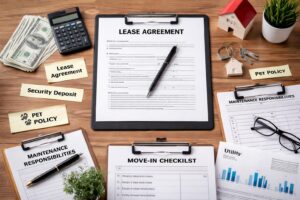
Key parts of a lease highlightedKey parts of a lease highlighted
  • 10% of tenants get a lower rent when they renew their lease.
  • 50 square feet per person is a good amount of office space.
  • In 2023, startups showed a lot of interest in flexible leases.
  • Preparing a lease usually costs $300 to $500.
  • 75% of retail leases say who is responsible for repairs.
  • Start talking about renewing your lease 90 days before it ends.
  • All commercial leases need tenants to have insurance.

Reading the fine print in lease forms is important to protect your rights. These forms, from places like Ontario or Western Australia, tell you all about the lease. They cover rent, when it’s due, and who fixes what. Making sure you understand these terms helps avoid problems and keeps the relationship with tenants clear.

Some lease agreements have hidden rules about renewing the lease or fees for ending it early. These can surprise both landlords and tenants if they’re not clear from the start. Talking about these rules when signing the lease makes sure everyone understands the agreement.

Checking a tenant’s background is key for landlords. This check tells you if they pay rent on time and take care of the place. Finding good tenants means less worry about rent and keeping the property nice. It’s a big part of making sure your property is a good investment.

Checking tenants well means less chance of problems. Looking at their credit and past rent helps you choose tenants that won’t cause trouble. This keeps your property safe and makes sure rent is paid on time, keeping everyone happy.

For more on managing properties and lease agreements, check out Real Estate Australia’s leasing advice.

Questions about lease contractsQuestions about lease contracts

Lease agreement software makes managing properties easier by handling rental agreements online. This saves time by doing things like signing leases digitally and keeping track of important documents. It helps landlords and property managers keep everything in order and makes managing properties simpler.

Leasing software saves time with features like collecting rent online, tracking repair requests, and analyzing data. Collecting rent online makes sure you get paid on time. Tracking repairs helps fix problems quickly. Analyzing data helps you make smart decisions, making managing properties easier.

Different states have their own rules for rental agreements. Knowing these rules helps avoid legal problems and makes sure your lease is right. For example, rules for renting in Perth Western are different from other places. Landlords and property managers should always learn about these rules to manage their properties well.

Lease rules vary a lot from state to state. This means you need to know your state’s rules on things like deposits, evictions, and how much you can raise the rent. For landlords and property managers, understanding these laws is important for keeping agreements legal and fair.

For more on how rental agreement laws vary by state, visit Nolo’s guide.

Accelerate Your Decision-Making Process

AI-Powered Tenant Analysis: Make informed decisions in minutes, not hours, with our AI-driven tenant data analysis

Realize Value Overnight

Leasey.AI provides a seamless implementation experience — your personal Leasing Assistant will onboard your properties and get your account up and running, so you can start enjoying the benefits of automation instantly.