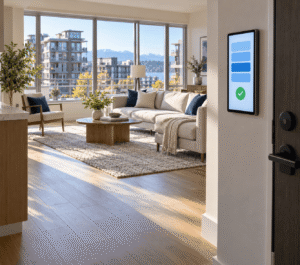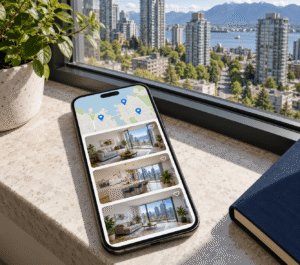
Comprehensive Tenant Screening at Your Fingertips
Advanced Screening Tools: Access comprehensive screening data including credit history, financial behavior, and employment income verifications with one click
Apartment building managers oversee daily operations of residential properties, handling tenant relations, maintenance coordination, financial oversight, and regulatory compliance. Their typical responsibilities include managing 50-200 units, processing lease applications, coordinating repairs, and maintaining occupancy rates. Most managers earn between $45,000-$75,000 annually and require 2-5 years of property management experience along with relevant certifications.



Complete Guide to Apartment Building Manager Job Responsibilities and Requirements
Apartment building managers oversee daily residential property operations. They must ensure both tenant satisfaction and property owner profitability. This multifaceted position serves as the cornerstone of effective property management, requiring expertise in tenant relations, maintenance oversight, financial management, and regulatory compliance. Successful apartment building managers establish reliable systems for managing multiple rental units while maintaining strict adherence to housing laws and safety regulations.Daily Responsibilities and Performance Expectations for Property Managers
Apartment building managers handle diverse responsibilities designed to maximize tenant satisfaction and property performance. Their core duties include conducting property tours for prospective tenants, processing rental applications and background checks, and maintaining detailed tenant files. Managers coordinate maintenance activities by responding to repair requests promptly, scheduling contractor services, and conducting regular property inspections. They also manage tenant relations through conflict resolution, community building initiatives, and responsive communication. Effective property managers typically oversee 50-200 apartment units based on property size and complexity. Performance is measured by occupancy rates, tenant retention, and maintenance response times.Essential Daily Tasks in the Apartment Building Manager Job Description
Apartment building managers execute critical operational tasks that directly impact property success and tenant satisfaction. Their primary daily activities include tenant communication management, where they address maintenance requests, lease inquiries, and community concerns through multiple channels. They oversee property maintenance coordination by prioritizing work orders, supervising contractors, and ensuring common area upkeep meets safety standards. Financial management responsibilities encompass rent collection tracking, budget monitoring, and expense documentation for property owners. Additionally, managers implement emergency response protocols and building security measures, preparing comprehensive action plans for tenant emergencies, equipment failures, and weather-related incidents.Accelerate Your Decision-Making Process
AI-Powered Tenant Analysis: Make informed decisions in minutes, not hours, with our AI-driven tenant data analysisProven Strategies for Building Strong Tenant Relationships and Retention
Tenant relations management forms the foundation of successful apartment building operations, directly influencing occupancy rates and property profitability. Effective managers establish regular communication schedules through monthly newsletters, quarterly resident meetings, and prompt response protocols for maintenance requests. They implement community building initiatives such as seasonal events, feedback surveys, and resident appreciation programs to foster neighborhood connections. Conflict resolution skills become essential when mediating disputes between neighbors, addressing noise complaints, and negotiating lease modifications. Managers who prioritize tenant relationship building typically achieve retention rates exceeding 80%, significantly reducing turnover costs and maintaining stable rental income streams.
Critical Skills Required for a Successful Apartment Building Manager Career
Effective apartment building managers must possess exceptional interpersonal communication abilities to interact professionally with diverse tenant populations, contractors, and property owners. Strong organizational and administrative skills are fundamental for managing lease documentation, maintenance schedules, and financial reporting requirements. Leadership capabilities help managers supervise maintenance teams, coordinate vendor relationships, and implement property improvement initiatives. Advanced problem-solving skills prove essential when addressing tenant emergencies, resolving disputes, and managing unexpected maintenance issues. Experienced property managers often oversee multiple properties simultaneously, requiring superior time management and delegation abilities.Mastering Communication Skills for Effective Property Management Success
Superior interpersonal communication skills distinguish exceptional apartment managers from average performers in the competitive property management industry. These skills facilitate positive tenant relationships through active listening, empathetic problem-solving, and clear expectation setting during lease negotiations. Effective managers communicate maintenance updates proactively, provide timely responses to tenant inquiries, and conduct professional property tours that highlight community benefits. Strong communication abilities also enhance vendor relationships, ensuring contractors understand project requirements, timeline expectations, and quality standards. Managers with excellent communication skills report higher tenant satisfaction scores and reduced conflict resolution time.Industry Statistics and Performance Benchmarks for Property Managers
- Approximately 30% of property managers successfully oversee multiple properties simultaneously.
- Qualified apartment building managers typically possess 3-5 years of relevant property management experience.
- Most managers dedicate 15-25 hours weekly to direct tenant communication and support activities.
- Industry salary ranges span $45,000-$75,000 annually, varying by geographic location and property portfolio size.
- Modern property management automation tools can streamline routine administrative tasks significantly.
- Successful managers typically handle 100+ tenant interactions monthly across various communication channels.
- Property maintenance and regulatory compliance activities consume approximately 40% of managers’ working hours.
Education Requirements and Professional Certifications for Apartment Building Managers
Most apartment building managers hold bachelor’s degrees in business administration, real estate management, hospitality, or related fields. These degrees provide foundational knowledge in business operations and customer service. Industry-recognized certifications including Certified Apartment Manager (CAM), Accredited Residential Manager (ARM), and Certified Property Manager (CPM) demonstrate professional competency and commitment to industry standards. Relevant work experience typically includes 2-5 years in property management, customer service, or facilities management roles that develop essential operational skills. Continuing education requirements help managers stay current with evolving housing regulations, technology applications, and industry best practices.Professional Certification Benefits for Career Advancement in Property Management
Professional certifications like Certified Property Manager (CPM) and National Apartment Leasing Professional (NALP) significantly enhance career prospects and earning potential for apartment building managers. These comprehensive programs provide specialized training in lease administration, tenant relations, property maintenance, and fair housing compliance requirements. Certified managers demonstrate expertise in industry standards, regulatory knowledge, and best practices that property owners and management companies highly value. Property management firms consistently prefer certified candidates for their proven competency and professional development commitment. Certification maintenance through continuing education ensures managers remain current with industry innovations and regulatory changes.
How Technology Transforms Modern Apartment Building Manager Operations and Responsibilities
Advanced property management technology significantly streamlines apartment building operations by automating time-intensive administrative tasks and improving communication efficiency. Modern property management platforms centralize tenant screening, lease processing, maintenance coordination, and financial reporting. This integration reduces manual errors and accelerates decision-making processes. Cloud-based solutions enable remote property oversight, real-time maintenance tracking, and instant tenant communication capabilities. Technology adoption allows managers to focus on strategic relationship building and property improvement initiatives while automated systems handle routine operational tasks. At Leasey.AI, our platform helps property managers enhance operational efficiency through intelligent automation and data-driven insights.Property Management Software Tools for Operational Excellence
Contemporary property management relies heavily on integrated software platforms that consolidate multiple operational functions into streamlined workflows. Advanced tenant screening automation accelerates applicant processing while maintaining thorough background verification standards that ensure qualified tenant selection. Automated communication systems handle routine inquiries, maintenance updates, and lease renewal notifications, providing 24/7 tenant support capabilities. Digital work order management platforms enable efficient maintenance coordination, contractor scheduling, and completion tracking that improves response times and tenant satisfaction. Property managers utilizing comprehensive technology solutions report improved operational efficiency and enhanced tenant experience metrics.Key Benefits of Professional Property Management Services
- Skilled management practices increase tenant retention rates and reduce costly turnover expenses.
- Professional communication training develops essential customer service skills applicable across industries.
- Effective property management strategies enhance property values and neighborhood appeal significantly.
- Proactive maintenance programs ensure safe living environments and build community trust among residents.
- Strong tenant relationship development creates positive community atmosphere and resident engagement.
- Enhanced organizational abilities gained through property management benefit both professional and personal life.
- Professional management services allow property owners to reduce hands-on workload substantially.
Most Common Daily Challenges Apartment Building Managers Face on the Job
Apartment building managers navigate complex operational challenges that require swift problem-solving abilities and diplomatic communication skills. Tenant relations management presents ongoing challenges through diverse personality conflicts, varying communication preferences, and competing resident priorities that demand careful mediation. Maintenance issue coordination becomes particularly challenging in older properties where equipment failures occur frequently and emergency repairs disrupt normal operations. High tenant turnover rates necessitate continuous marketing efforts, applicant screening processes, and unit preparation activities that strain time and resource management. Regulatory compliance requirements add complexity through evolving housing laws, safety inspections, and documentation standards that managers must maintain consistently.Effective Maintenance Management Strategies That Minimize Operational Disruptions
Maintenance challenges represent the most frequent and impactful operational issues apartment building managers encounter daily. Preventive maintenance scheduling helps minimize emergency repairs by addressing potential problems before they escalate into costly tenant disruptions or safety hazards. Reliable contractor relationship development ensures access to skilled professionals who understand property standards, timeline expectations, and budget constraints. Effective managers prioritize maintenance requests based on safety implications, tenant impact, and repair complexity to optimize resource allocation and response efficiency. Regular property inspections identify maintenance needs proactively, allowing managers to schedule repairs during convenient times and prevent emergency situations that negatively affect tenant satisfaction.Technology Trends Reshaping the Apartment Building Management Industry
Forward-thinking apartment building managers embrace emerging technology solutions and artificial intelligence applications to enhance operational efficiency and tenant satisfaction. AI-powered analytics provide valuable insights into tenant behavior patterns, lease renewal probability, and maintenance forecasting that improve strategic decision-making capabilities. Automated systems can significantly reduce administrative time requirements, allowing managers to focus on relationship building and property improvement initiatives. Smart building technologies, such as IoT sensors and automated climate control, create modern living experiences. Digital access systems also help attract quality tenants and justify premium rental rates.Advanced Software Solutions Supporting Property Management Workflows
Comprehensive property management platforms integrate lease administration, tenant communication, maintenance coordination, and financial reporting into unified systems that eliminate data duplication and improve accuracy. AI-enhanced tenant screening capabilities analyze application data, credit histories, and rental references to identify qualified candidates quickly and reliably. Data-driven performance analytics provide managers with actionable insights into occupancy trends, maintenance costs, and tenant satisfaction metrics that inform strategic planning decisions. These technological advances enable property managers to make informed decisions that enhance both operational efficiency and tenant experience quality.Leading Property Management Software Solutions and Platform Comparisons
- Leasey.AI specializes in intelligent leasing automation and tenant screening optimization for enhanced efficiency.
- AppFolio provides comprehensive accounting integration and robust tenant communication features for larger properties.
- Buildium offers all-in-one property management capabilities but requires significant investment for premium features.
- TenantCloud appeals to smaller landlords through affordable pricing and intuitive user interface design.
- Yardi delivers enterprise-level functionality ideal for large property management companies with complex operational requirements.
- Propertyware handles sophisticated property operations effectively but may overwhelm new property management professionals.
- RealPage provides scalable solutions perfect for growing property portfolios with flexible pricing and feature options.