Property Management Automation
Automate Your Rentals, Maximize Your Profits - From Listing to Lease in Minutes
Property Management Automation
Property management automation uses software and digital tools to handle repetitive tasks like tenant screening, listing distribution, showing scheduling, and lease management. These systems work by connecting various rental processes through integrated platforms that reduce manual data entry and coordinate activities across multiple channels. Most property managers save several hours weekly on administrative tasks, though the specific time savings depend on portfolio size and current processes.
Leasey.AI offers Property Management Automation solutions that streamline rental operations by automating listing syndication, tenant screening, and lease management processes that traditionally require extensive manual coordination.
Leasey.AI provides comprehensive leasing automation solutions that help property managers reduce vacancy periods and administrative workload through integrated digital workflows.
Key Benefits and Features of Property Management Automation
- Automated tenant screening systems use verification tools to identify application fraud and verify tenant credentials more efficiently than manual review.
- Multi-platform listing syndication posts rental properties to numerous websites including Facebook Marketplace and other platforms simultaneously.
- AI-powered lead qualification systems respond to tenant inquiries around the clock and filter prospects based on customizable criteria.
- Smart showing schedulers coordinate property viewings while sending automated reminders to reduce missed appointments.
- Digital lease generation tools create rental agreements and collect electronic signatures quickly.
- Reporting dashboards provide insights about rental performance and tenant demographics for strategic decision-making.
- Market analysis tools help optimize rental pricing using competitive data from multiple sources.
Common Automation Tools and Their Functions
- Identity verification systems help confirm applicant credentials during screening
- Document analysis tools flag potentially altered financial statements
- Listing syndication platforms distribute properties across rental websites
- Chatbots and automated responders handle initial tenant communications
- Electronic signature software enables remote lease execution
- Payment processing systems facilitate online rent collection
- Maintenance ticketing platforms organize repair requests and vendor management
- Compliance monitoring tools help ensure regulatory adherence
What Property Management Automation Is and How It Works
Property management automation refers to software systems that handle routine rental tasks without constant human intervention. It works by integrating various aspects of property management—from marketing to maintenance—into connected digital workflows. The automation typically begins when a property becomes available for rent, with the system automatically creating listings, distributing them across platforms, and managing incoming inquiries. These tools are especially valuable for managers handling multiple properties who need to coordinate numerous tasks simultaneously.
Who Benefits Most from Property Management Automation?
The businesses that benefit most include property management companies with 10 or more units, individual landlords managing properties remotely, and real estate professionals seeking to scale their rental operations. Small landlords with just one or two properties may find comprehensive automation unnecessary, though specific tools like online rent collection can still provide value. The greatest benefits typically appear for those managing diverse portfolios across different locations, where manual coordination becomes increasingly complex and time-consuming.
AI-Powered Tenant Screening and Fraud Detection
Modern tenant screening automation uses artificial intelligence to analyze rental applications and identify potential issues more quickly than manual review. These systems examine multiple data points including credit reports, employment verification, and rental history to assess tenant qualifications. The technology works by comparing submitted documents against known patterns and databases to flag inconsistencies. While automated screening significantly speeds up the process, property managers should still conduct final reviews of flagged applications to ensure accuracy.
What Red Flags Does Automated Screening Identify?
Automated screening systems look for document inconsistencies, mismatched information between applications and credit reports, and unusual patterns in financial documents. Common red flags include altered bank statements, employment claims that don't match verification results, and identity mismatches between provided documentation. These automated systems alert property managers to suspicious applications requiring additional review. The limitations include occasional false positives and the inability to assess subjective factors like tenant personality or communication style.
Multi-Platform Listing Distribution and Lead Management
Listing syndication software distributes rental properties across multiple platforms including major rental websites, social media marketplaces, and MLS systems through single-entry systems. This automation eliminates the need to manually create individual listings on each platform while ensuring consistent information everywhere. The syndication process typically takes minutes compared to hours of manual posting, though managers must still monitor and update listings as needed.
How Automated Lead Response Systems Work
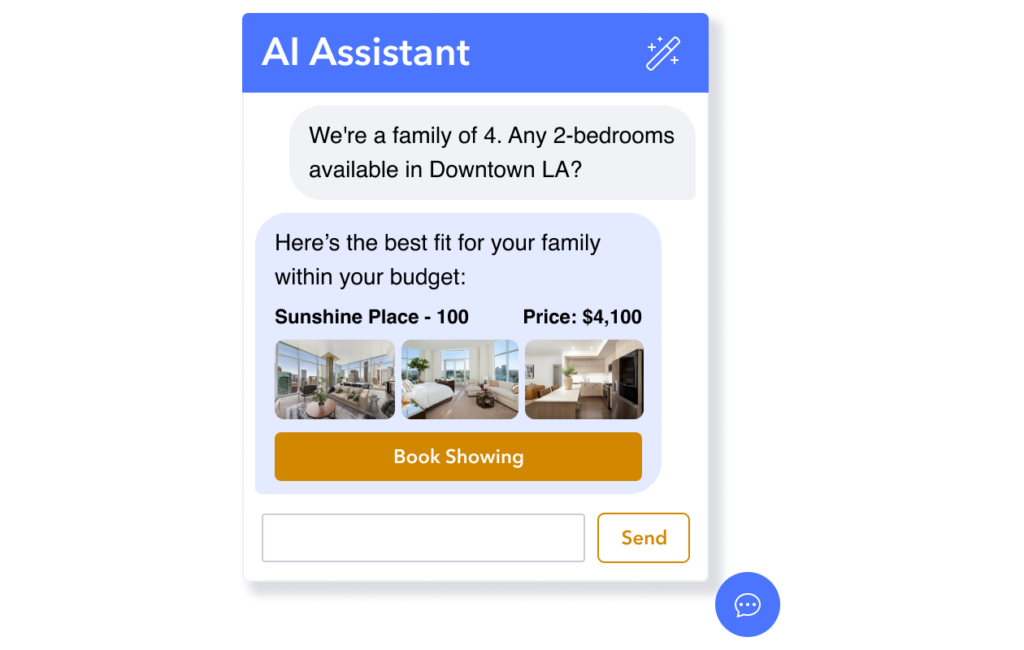
Lead response automation uses chatbots and automated email systems to immediately acknowledge tenant inquiries regardless of time or day. These systems work by asking pre-programmed qualifying questions about budget, move-in dates, and basic requirements before routing qualified leads to property managers. The technology handles initial communications efficiently, though complex questions or negotiations still require human interaction. Common challenges include ensuring automated responses feel personal and handling inquiries that don't fit standard templates.
Automated Showing Coordination and Scheduling
Showing scheduling automation coordinates property viewings by syncing with calendar systems and allowing prospects to book appointments online. The automation works through integrated booking platforms that display available time slots while preventing double-bookings and scheduling conflicts. These systems send automatic reminders via email and text message to reduce no-shows, though some prospects still miss appointments despite reminders.
When Should Property Managers Implement Showing Automation?
Property managers should consider showing automation when they're coordinating more than 5-10 showings weekly or managing properties across multiple locations. The best time to implement is typically during slower rental seasons when there's time to train staff and refine processes. Implementation challenges include ensuring all team members understand the new system and maintaining personal touch points that build tenant relationships. The limitations include inability to handle last-minute changes gracefully and occasional technical issues with calendar synchronization.
Digital Lease Generation and Electronic Signing
Digital lease generation uses templates and automated data entry to create rental agreements quickly while reducing errors from manual drafting. These systems work by pulling information from tenant applications and property details to populate standard lease templates automatically. Electronic signature integration allows both parties to sign documents remotely, speeding up the leasing process considerably. The automation helps ensure consistency across all lease documents while maintaining legal compliance.
What Compliance Features Ensure Legal Adherence?
Lease automation platforms include compliance features that incorporate required disclosures and clauses based on property location and local regulations. These features work by maintaining updated templates that reflect current rental laws and automatically including necessary addendums. The systems flag potential compliance issues before lease execution, though property managers must still stay informed about regulatory changes. The limitations include varying state and local requirements that may need manual customization beyond standard templates.
Data Analytics and Performance Reporting
Property management analytics platforms collect data from various operational areas to provide insights about portfolio performance and market trends. These systems work by aggregating information from listings, applications, leases, and maintenance records to identify patterns and opportunities. Analytics help managers understand which marketing channels perform best, optimal pricing strategies, and seasonal demand patterns. The main limitation is that insights depend heavily on data quality and consistent system usage.
How Much Does Property Management Automation Typically Cost?
Property management automation costs vary widely based on portfolio size, features needed, and integration requirements. Basic systems for small landlords typically range from $50-200 monthly, while comprehensive platforms for larger operations can cost $500-2000 or more per month. Most providers charge based on unit count or transaction volume, with additional costs for premium features like AI screening or advanced analytics. The limitations include ongoing subscription costs and potential implementation expenses for training and data migration.
Understanding the Limitations of Property Management Automation
The limitations of property management automation include the inability to handle unique situations requiring human judgment, potential technical failures disrupting operations, and the loss of personal relationships that some tenants value. Automation works best for routine, repetitive tasks but struggles with complex negotiations, dispute resolution, or situations requiring empathy and flexibility. Additionally, over-reliance on automation can make property management feel impersonal, potentially affecting tenant satisfaction and retention. Success requires balancing automated efficiency with maintaining meaningful human interactions where they matter most.
Leasey.AI addresses common automation challenges by providing integrated tools that handle listing distribution, tenant screening, showing coordination, and lease management while maintaining flexibility for unique situations. Property managers using comprehensive automation platforms typically reduce time spent on administrative tasks substantially, though specific results vary based on portfolio characteristics and implementation effectiveness. The platform serves property managers across North America with customizable workflows designed to adapt to different market conditions and regulatory requirements.