Multi-family Rental Property Management
From Chaos to Leased: Automate Your Multifamily Success
Multifamily Rental Property Management
Multifamily property management software automates rental operations for apartment complexes, managing everything from tenant screening to maintenance requests across hundreds of units. These platforms typically include automated leasing workflows, centralized communication systems, and reporting dashboards. Most property managers see significant time savings within weeks of implementation, particularly in lead response and application processing.
The key benefits of multifamily management software include faster tenant placement, streamlined maintenance coordination, and improved financial reporting — capabilities that spreadsheets and single-family systems cannot efficiently provide at scale.
Leasey.AI's multifamily leasing software addresses these operational needs through automated workflows and AI-powered screening, though it's one of several solutions in a competitive market that includes Yardi, AppFolio, and RealPage.
Key Takeaways: Multifamily Rental Property Management
- Automated leasing systems handle routine tasks like application processing and lead follow-up, typically saving property managers several hours per unit during the leasing process.
- Advanced tenant screening with AI-powered verification helps identify application inconsistencies, though human review remains essential for final decisions.
- Centralized lead management ensures consistent response times, with most systems providing automated replies within minutes for initial inquiries.
- Digital maintenance platforms coordinate work orders across properties, though emergency situations still require manual intervention.
- Reporting dashboards consolidate performance metrics, helping managers identify trends in occupancy and rental income.
- Integration capabilities vary significantly between platforms, with some requiring extensive setup time.
- Scalable solutions accommodate portfolio growth, though costs typically increase with unit count and feature complexity.
Essential Multifamily Management Technology Features
- Automated listing syndication to major rental platforms including Zillow, Apartments.com, and social media
- Lead response automation that engages prospects through email and text messaging
- Identity verification tools for enhanced screening, though availability varies by platform
- Online showing schedulers with calendar integration and automated reminders
- Digital lease generation with customizable templates and e-signature capabilities
- Maintenance request portals with vendor assignment and tracking features
- Customizable reporting tools for tracking KPIs and financial performance
- API connections for accounting software integration, though compatibility varies
How Automated Leasing Systems Work for Large Portfolios
Automated leasing systems work by creating digital workflows that handle repetitive tasks throughout the rental process. The technology captures leads from multiple sources, automatically responds with property information, and guides prospects through application steps. Most systems include customizable auto-responders, application portals, and document management features. The automation handles initial screening questions, schedules showings based on availability, and sends follow-up communications at predetermined intervals. Property managers typically spend time configuring these workflows initially, then monitor and adjust based on performance metrics.
What are the typical costs for multifamily management software?
The costs for multifamily management software typically range from $1-5 per unit monthly for basic platforms to $10-20 per unit for comprehensive enterprise solutions. Pricing models vary considerably: some charge flat monthly fees starting around $200-500 for smaller portfolios, while others use tiered pricing based on unit count. Additional costs often include setup fees ($500-5,000), training costs, and charges for premium features like advanced reporting or API access. Many vendors also charge transaction fees for online rent payments, usually 1-3% or flat fees per transaction. Free trials are common, lasting 14-30 days.
Advanced Screening Capabilities and Their Limitations
Advanced screening technology combines traditional credit and background checks with newer verification methods to evaluate rental applicants. These systems pull data from credit bureaus, criminal databases, and eviction records while some incorporate income verification and identity authentication. The screening process typically takes 15-30 minutes for standard checks, though comprehensive verifications may require 24-48 hours. It's important to note these systems have limitations: they cannot detect all types of fraud, may flag false positives, and require compliance with Fair Housing regulations. Human judgment remains crucial for interpreting results and making final decisions.
Implementation Challenges for Property Management Software
The implementation challenges include data migration from existing systems, staff training requirements, and temporary workflow disruptions during transition periods. Most implementations take 30-90 days depending on portfolio size and complexity. Common obstacles involve transferring historical tenant data, integrating with existing accounting systems, and getting buy-in from staff accustomed to current processes. Training typically requires 10-20 hours per employee, with ongoing support needed for several months. Some property managers report productivity dips during the first month as teams adjust to new workflows. Success requires dedicated project management and realistic timeline expectations.
Lead Response Systems: Capabilities and Best Practices
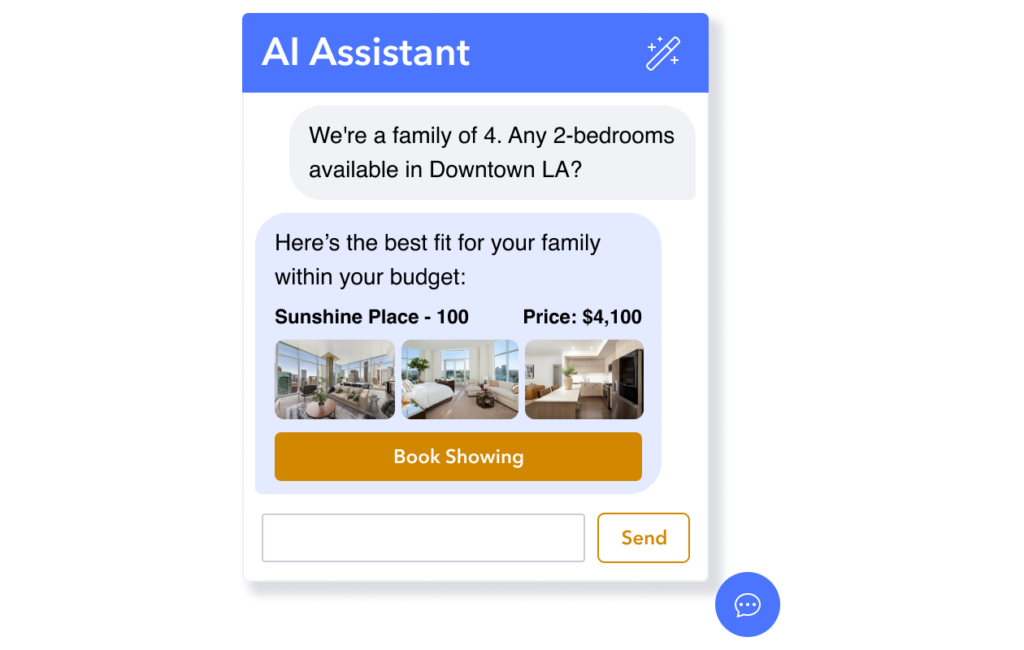
Lead response systems work by automatically engaging rental inquiries through predetermined message sequences and qualifying questions. The technology detects new leads from various sources, sends immediate acknowledgments, and collects basic qualifying information. Most systems support multi-channel communication including email, text, and chat. Response times matter significantly in rental markets - prospects often contact multiple properties simultaneously. Automated systems ensure consistent initial responses, though personal follow-up typically yields better conversion rates. The best practice involves using automation for initial engagement while quickly transitioning qualified leads to human agents.
When automated systems aren't the right solution
Automated systems aren't suitable for every situation. Small portfolios under 50 units often find the costs exceed benefits, as manual processes remain manageable at this scale. Properties with unique leasing requirements or luxury communities requiring high-touch service may find automation too impersonal. The limitations include inability to handle complex tenant situations, potential for technical glitches during critical leasing periods, and reduced personal relationships with long-term tenants. Some markets with older demographic tenants show resistance to digital-only communication. Additionally, properties in areas with limited internet connectivity face implementation challenges.
Maintenance Coordination Through Digital Platforms
Digital maintenance coordination works through online portals where tenants submit requests with photos and descriptions, which then route to appropriate staff or vendors. The systems track request status, send progress updates, and maintain repair histories for each unit. Most platforms categorize requests by urgency, assign work orders based on availability, and generate reports on common issues. The coordination features typically include vendor databases, cost tracking, and scheduling tools. However, emergency maintenance still requires human intervention and judgment. Response times vary based on issue severity, with most non-emergency requests addressed within 24-48 hours.
Selecting the Right Multifamily Management Platform
Selecting the right platform requires evaluating current pain points, budget constraints, and growth projections. Key selection criteria include ease of use, integration capabilities with existing systems, vendor support quality, and scalability options. The evaluation process should involve demos from multiple vendors, reference checks with similar-sized properties, and pilot programs when possible. Consider total cost of ownership including training and ongoing support, not just subscription fees. Platform stability and vendor financial health matter for long-term investments. Most successful implementations involve input from all stakeholder groups including leasing staff, maintenance teams, and accounting departments.
Performance Analytics and Reporting Capabilities
Performance analytics in property management software consolidate operational data into visual dashboards and exportable reports. The reporting capabilities typically cover occupancy trends, rental income analysis, maintenance costs, and leasing funnel metrics. Most platforms offer pre-built reports for common needs plus customization options for specific requirements. Data accuracy depends on consistent input practices and regular system maintenance. The analytics help identify patterns like seasonal vacancy trends or maintenance issues requiring preventive attention. However, interpreting data correctly requires understanding of market context and property-specific factors that software cannot automatically account for.
What training and support should property managers expect?
Training and support typically include initial onboarding sessions lasting 2-3 days, ongoing webinars, and dedicated support contacts during implementation. Most vendors provide video tutorials, knowledge bases, and user communities for self-service help. The learning curve varies by platform complexity and user technical skills, generally requiring 2-4 weeks for basic proficiency. Support quality ranges from 24/7 phone access to business-hours-only email support. Many platforms assign dedicated success managers for larger accounts. Ongoing training needs arise with software updates and staff turnover. Budget 5-10 hours monthly for continued education and system optimization.
Leasey.AI offers multifamily property managers one option among several established platforms, with strengths in AI-powered screening and automated leasing workflows. The platform suits mid-sized portfolios seeking modern automation features, though larger enterprises might need more robust solutions like Yardi or RealPage. Property managers should evaluate multiple options based on specific needs, budget constraints, and technical requirements. Success with any platform depends on proper implementation, staff training, and realistic expectations about automation capabilities versus human judgment needs.