Lead Prequalification
Custom, Fully Automated Lead Prequalification
Leasey.AI prequalifies every lead so your time is spent on the most compatible prospective tenants.
Stop wasting time on unqualified leads. Leasey.AI automatically prequalifies every inquiry from across all marketplaces — using your custom criteria — so you only spend time on the most promising tenants.
More qualified leads. Less manual screening.
All done automatically.
How Automated Rental Lead Prequalification Works
Automated rental lead prequalification streamlines property management by filtering tenant inquiries through customizable criteria before you spend time on them. The process works by connecting to multiple rental platforms, collecting standardized information from prospects, and automatically evaluating each inquiry against your requirements. Property managers typically save several hours per listing while improving tenant quality. The system handles initial screening tasks that would otherwise require manual review of each inquiry, allowing you to focus exclusively on qualified prospects.
What Exactly Is Automated Lead Prequalification?
Automated lead prequalification is a technology system that evaluates rental inquiries against predetermined criteria without human intervention. It works by creating standardized questionnaires that collect essential information like income, credit range, move-in date, and rental history. The automation then compares these responses to your property requirements and sorts leads into qualified, potentially qualified, or unqualified categories. Most systems integrate with major rental platforms to capture inquiries automatically.
Key Benefits of Rental Lead Automation
- Time savings from eliminating manual review of obviously unqualified applicants who don't meet basic requirements
- Improved tenant quality through consistent application of screening criteria across all inquiries
- Faster response times to qualified leads, often within minutes instead of hours or days
- Centralized management of inquiries from multiple rental platforms in one dashboard
- Reduced showing no-shows by confirming tenant qualifications before scheduling viewings
- Better data collection for understanding your rental market and adjusting criteria accordingly
- Professional tenant experience with immediate responses and clear communication about requirements
How The Automation Process Actually Works
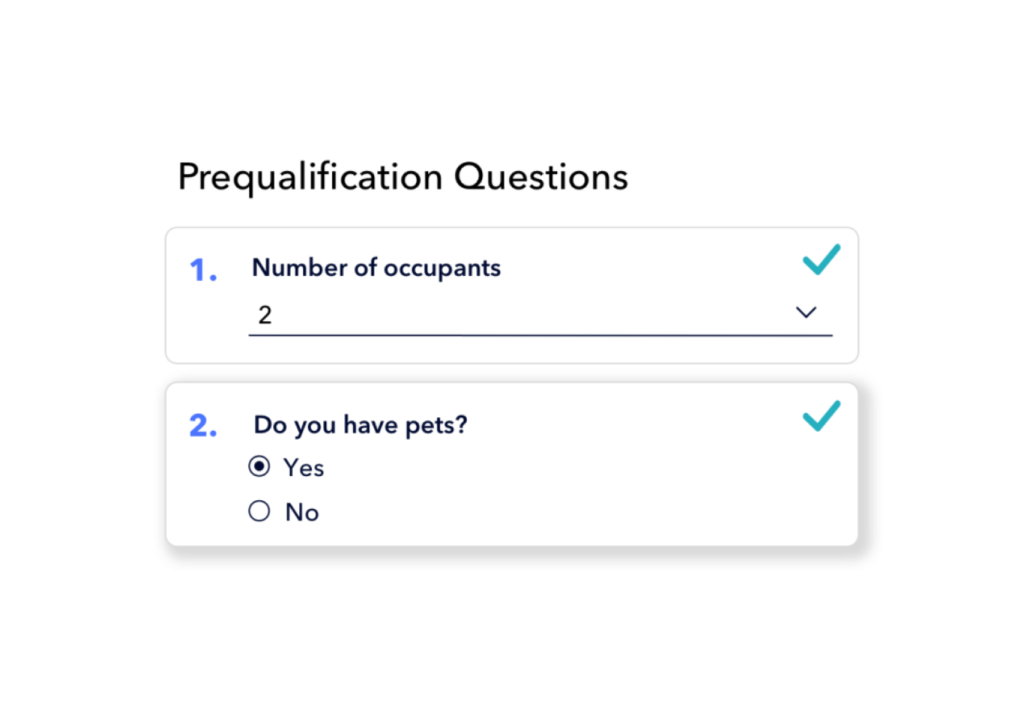
The process involves several automated steps that happen within seconds of receiving an inquiry. First, the system captures the lead from various sources like Zillow, Apartments.com, or Facebook Marketplace through API connections or email parsing. Next, it sends an immediate response acknowledging the inquiry and presenting a brief questionnaire. The questionnaire typically asks about income, desired move-in date, number of occupants, pets, and reason for moving. Once submitted, the system evaluates responses against your criteria and categorizes the lead accordingly.
The automation then triggers different workflows based on qualification status. Qualified leads receive showing availability and next steps, potentially qualified leads get additional questions or requirements, and unqualified leads receive a polite message about not meeting current criteria. The entire process typically takes less than five minutes from initial inquiry to categorization, compared to hours or days with manual processing.
Setting Up Your Screening Workflow
Creating an effective workflow starts with defining your non-negotiable criteria versus preferences. Common requirements include minimum income ratios (typically requiring monthly income of two-and-a-half to three times the rent), credit score ranges, and rental history standards. You'll then configure automated responses for different scenarios and set up integration with your preferred rental platforms. Most property managers find the initial setup takes a few hours per property type but saves substantial time over the long term.
What Criteria Can Property Managers Customize?
Customization options typically include income requirements, credit score thresholds, rental history parameters, pet policies, smoking preferences, occupancy limits, and move-in date ranges. Income verification can be set as multiples of rent or specific dollar amounts. Credit requirements often use ranges rather than hard cutoffs to allow flexibility. Rental history criteria might include years of positive references, eviction history, or previous landlord verification requirements. Advanced systems allow different criteria for different properties or unit types.
The flexibility extends to how strictly criteria are applied. You might set some requirements as absolute deal-breakers while others generate warnings but don't automatically disqualify. This nuanced approach helps capture edge cases where a strong application in one area might offset weakness in another. Many systems also allow seasonal adjustments to criteria based on market conditions.
Realistic Time Savings for Property Managers
Time savings vary significantly based on property type, market conditions, and inquiry volume. Property managers handling multiple units typically save the most time, often reducing screening time from hours to minutes per inquiry. A property receiving dozens of inquiries might previously spend entire days sorting through emails and phone calls. With automation, the same volume can be processed continuously without manual intervention, freeing up time for property showings and tenant relations.
The time savings compound when considering the entire leasing cycle. Fewer unqualified showings mean less time traveling to properties, waiting for no-shows, or conducting tours for people who can't afford the rent. The efficiency gains are particularly noticeable in hot rental markets where properties might receive hundreds of inquiries within days of listing.
What Automated Prequalification Systems Typically Cost
Costs for automated prequalification systems vary widely based on features and scale. Basic systems integrated into property management software might add $20-50 per month to existing subscriptions. Standalone solutions typically range from $50-200 monthly for small portfolios. Enterprise solutions for large property management companies can cost thousands monthly but include advanced features like AI-powered communication and custom integrations. Most providers offer tiered pricing based on unit count or inquiry volume.
When evaluating costs, consider the time value of manual screening. If you or your staff spend even a few hours weekly on initial tenant screening, the automation often pays for itself quickly. Some providers charge per qualified lead or successful lease, aligning their pricing with your success. Free trials are common, allowing you to test effectiveness before committing.
Important Limitations of Automated Screening
The limitations include inability to assess personality fit, potential for qualified candidates to be filtered out due to rigid criteria, and the impersonal nature of initial interactions. Automated systems cannot detect nuances like a responsible tenant rebuilding credit after medical bankruptcy or evaluate the stability of non-traditional income sources. Some excellent tenants might abandon the application process if they find it too impersonal or complicated. Technical glitches can occasionally cause delays or lost inquiries.
Legal compliance presents another limitation. Fair housing laws require careful configuration to avoid discriminatory screening practices. Some jurisdictions have specific requirements about how tenant screening must be conducted. Automated systems also cannot replace human judgment for edge cases or special circumstances that might warrant exceptions to standard criteria.
Platform Integration and Lead Centralization
Most modern prequalification systems integrate with major rental platforms including Zillow, Apartments.com, Trulia, Craigslist (via email), Facebook Marketplace, and Rentals.com. Integration methods vary from direct API connections that sync in real-time to email parsing systems that extract inquiry information from forwarded messages. The best systems provide a unified inbox where all inquiries appear regardless of source, with automatic deduplication for prospects who inquire through multiple channels.
Centralization benefits extend beyond convenience. You can track which platforms generate the most qualified leads, adjust your advertising spend accordingly, and ensure consistent communication across all channels. Some systems also integrate with property management software, CRM systems, and showing scheduling tools to create seamless workflows from inquiry to lease signing.
When Should Property Managers Implement Automation?
You should consider automation when you regularly receive more inquiries than you can respond to promptly, manage multiple properties, find yourself answering the same questions repeatedly, or lose qualified prospects due to slow response times. The best time is often before your busy season, allowing time to refine criteria and workflows. Small landlords with just one or two properties might find automation unnecessary unless they're in extremely high-demand markets.
Signs that automation would help include feeling overwhelmed by inquiries, having showings with obviously unqualified prospects, spending hours weekly on initial screening, or receiving complaints about response times. If you're turning away good tenants because you can't process inquiries fast enough, automation becomes essential rather than optional.
Which Property Types Benefit Most from Automation?
Properties that benefit most include those in high-demand urban markets, student housing near universities, vacation rentals with frequent turnover, and mid-range apartments that attract diverse applicant pools. Luxury properties might benefit less since they typically receive fewer but more qualified inquiries. Section 8 or affordable housing with strict qualification requirements can benefit greatly from automation that ensures compliance while processing high volumes.
The property types that see the greatest efficiency gains are those with clear, objective qualification criteria and high inquiry volumes. If your properties attract mainstream renters with traditional income sources, automation works exceptionally well. Properties requiring subjective evaluation or specialized tenant profiles might need more human involvement in the screening process.
What Happens to Rejected Applicants?
What happens to rejected applicants depends on your configured workflows and local regulations. Most systems send polite decline messages that thank prospects for their interest without specifying exact reasons for legal protection. Some systems can suggest alternative properties if you manage a portfolio with varying requirements. Others maintain a database of nearly-qualified leads who might qualify for future properties or if you adjust criteria.
Best practices include offering general guidance about improving qualifications, maintaining waitlists for highly competitive properties, and ensuring all communications comply with fair housing laws. Some property managers use rejection data to refine their marketing, targeting platforms that generate more qualified leads. The key is balancing efficiency with professionalism and legal compliance.
Implementing Leasey.AI for Rental Lead Automation
Leasey.AI addresses the common challenges property managers face with rental inquiries by automating the entire prequalification process. The system works by connecting to your existing rental listings across multiple platforms, creating customized screening questionnaires based on your criteria, and automatically sorting inquiries into actionable categories. Property managers using comprehensive automation typically reduce time spent on initial screening while improving the quality of eventual tenants. The platform's approach focuses on balancing efficiency with maintaining a positive experience for all prospects, whether they qualify or not.